
Pune


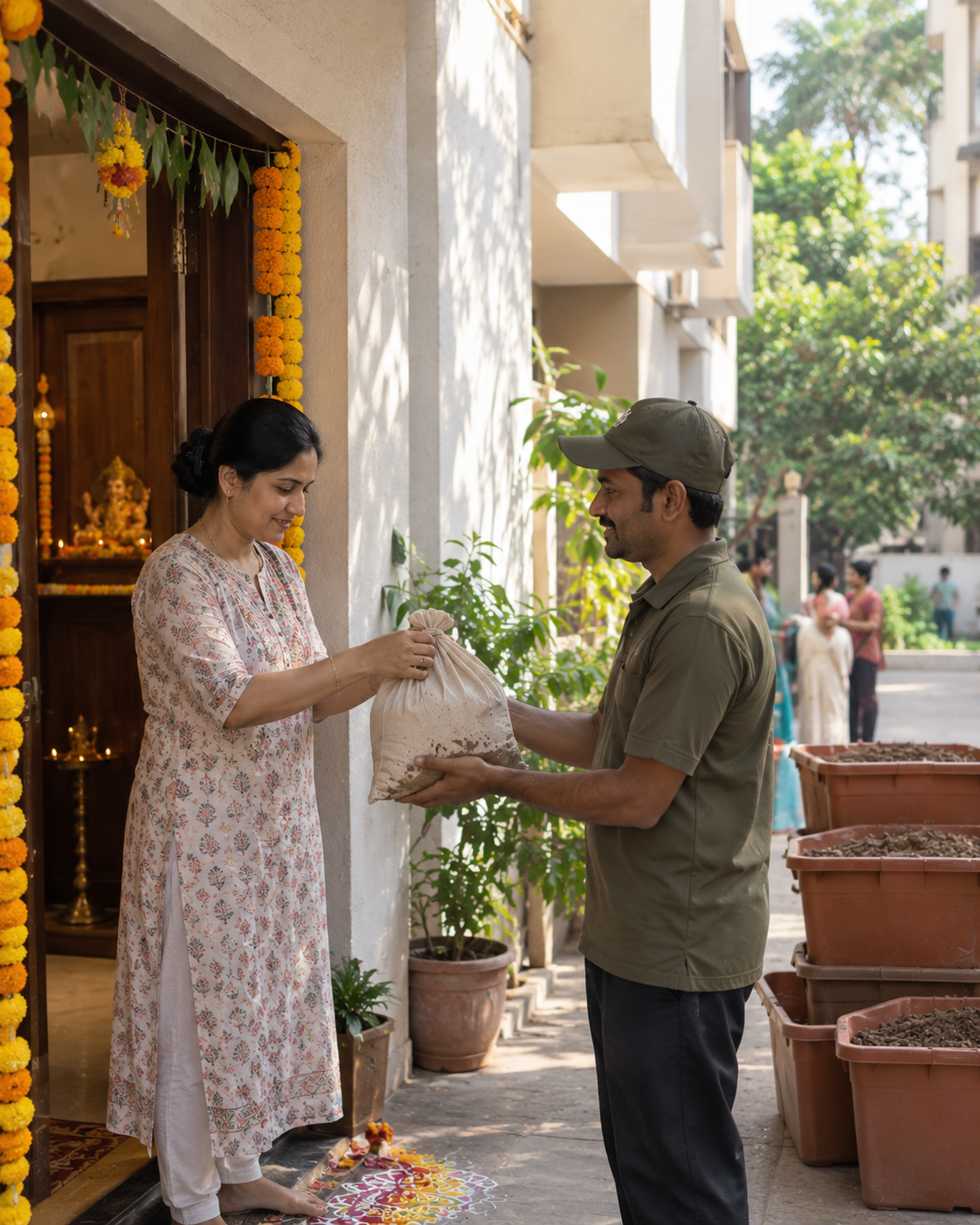
Pune - 2026 There are 3 ways in which you can return the clay to us.
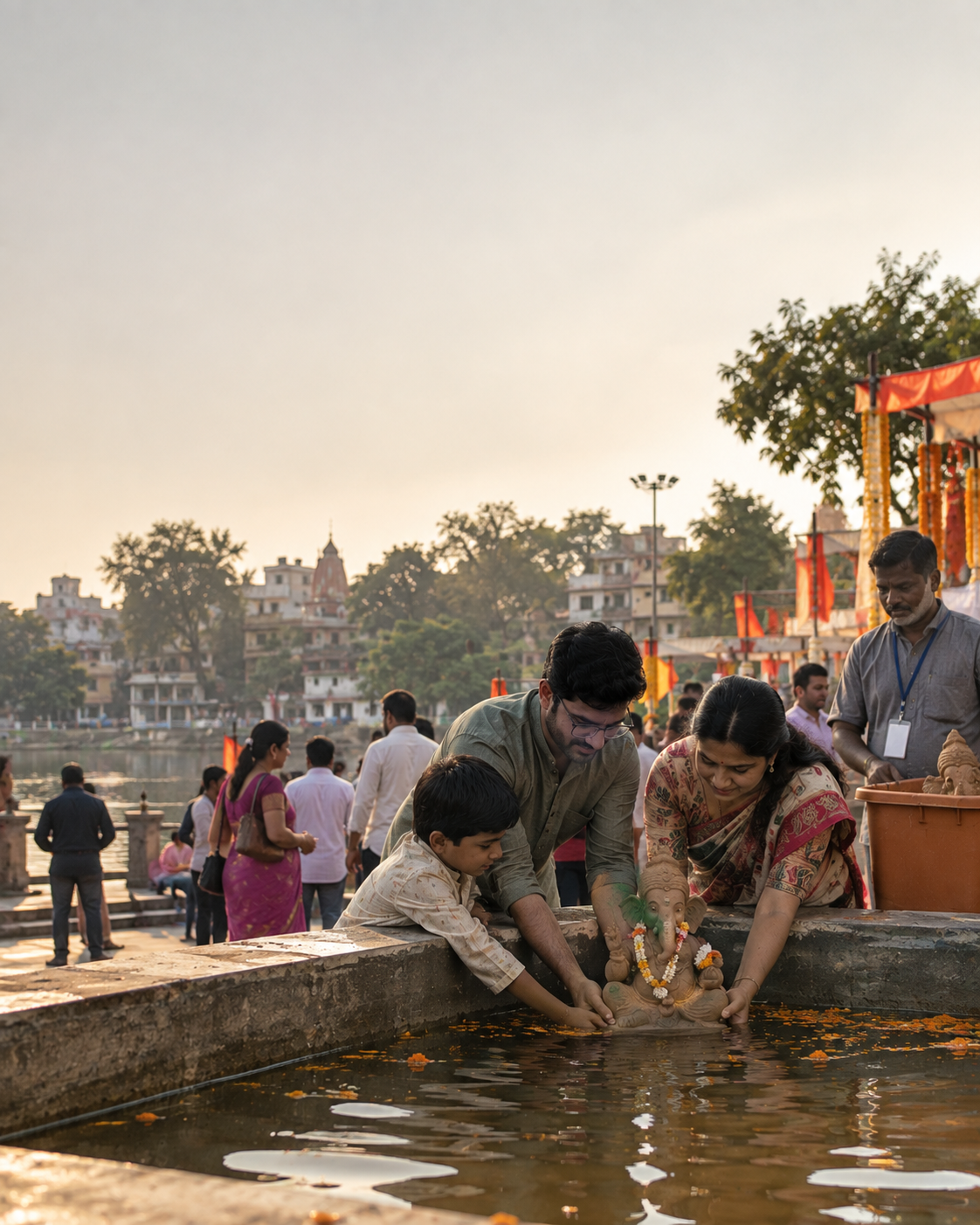
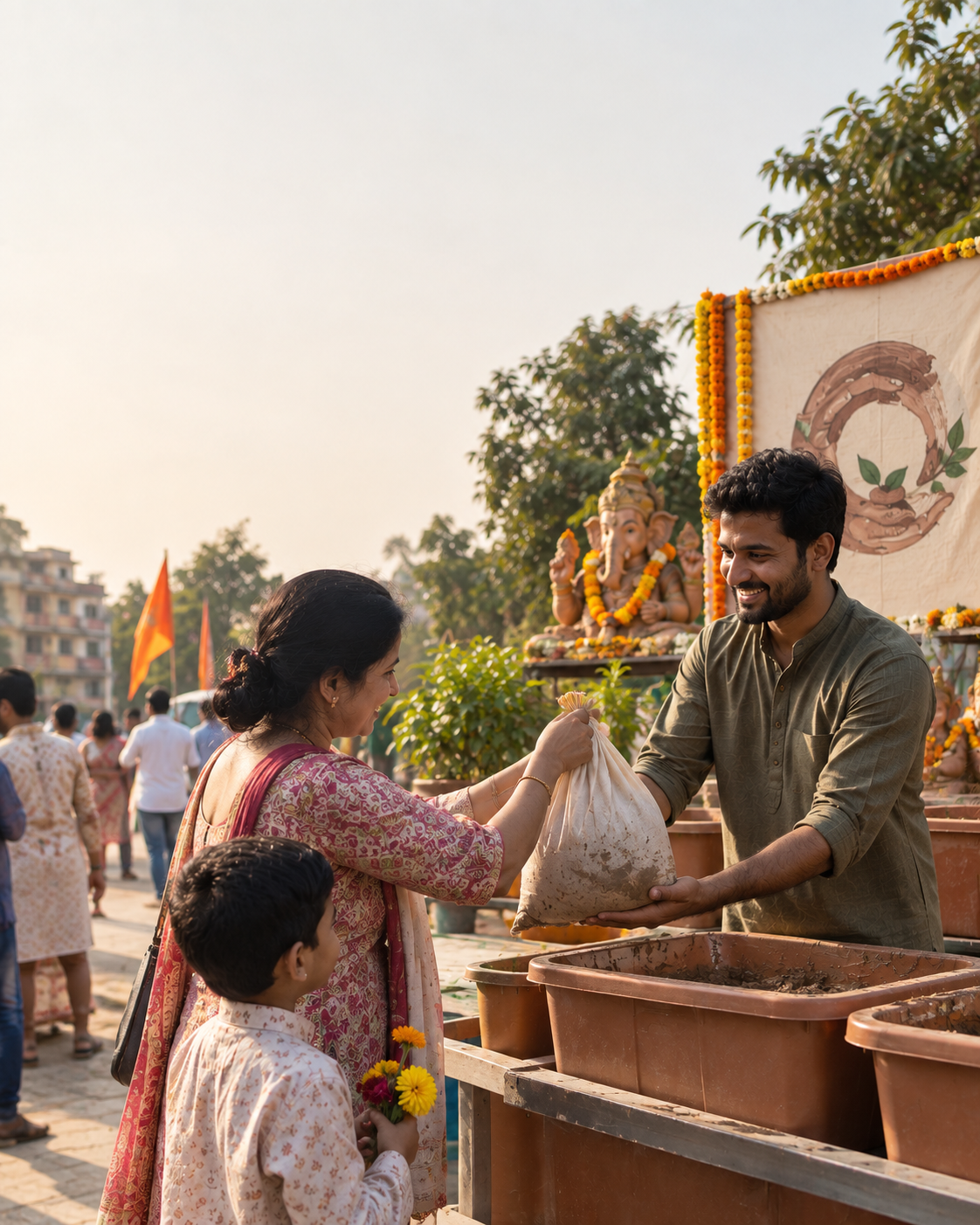
Map Of Home Immersion Collection Centers
Note: We collect only eco-friendly clay at the Home Immersion Centres. Plaster of Paris (POP) idols will not be accepted.
Click on a Collection Centre icon in the sidebar or on the map to view the coordinator’s details and contact information.
Map of Public Immersion Location
Click on a Collection Centre icon in the sidebar or on the map to view the coordinator’s details and contact information.
Clay collected in PMC in the past few years
133.3 tonne
49.4 tonne
42.4 tonne
18.5 tonne
23 tonne
Doorstep Pick Up By Poornam Ecovision Foundation
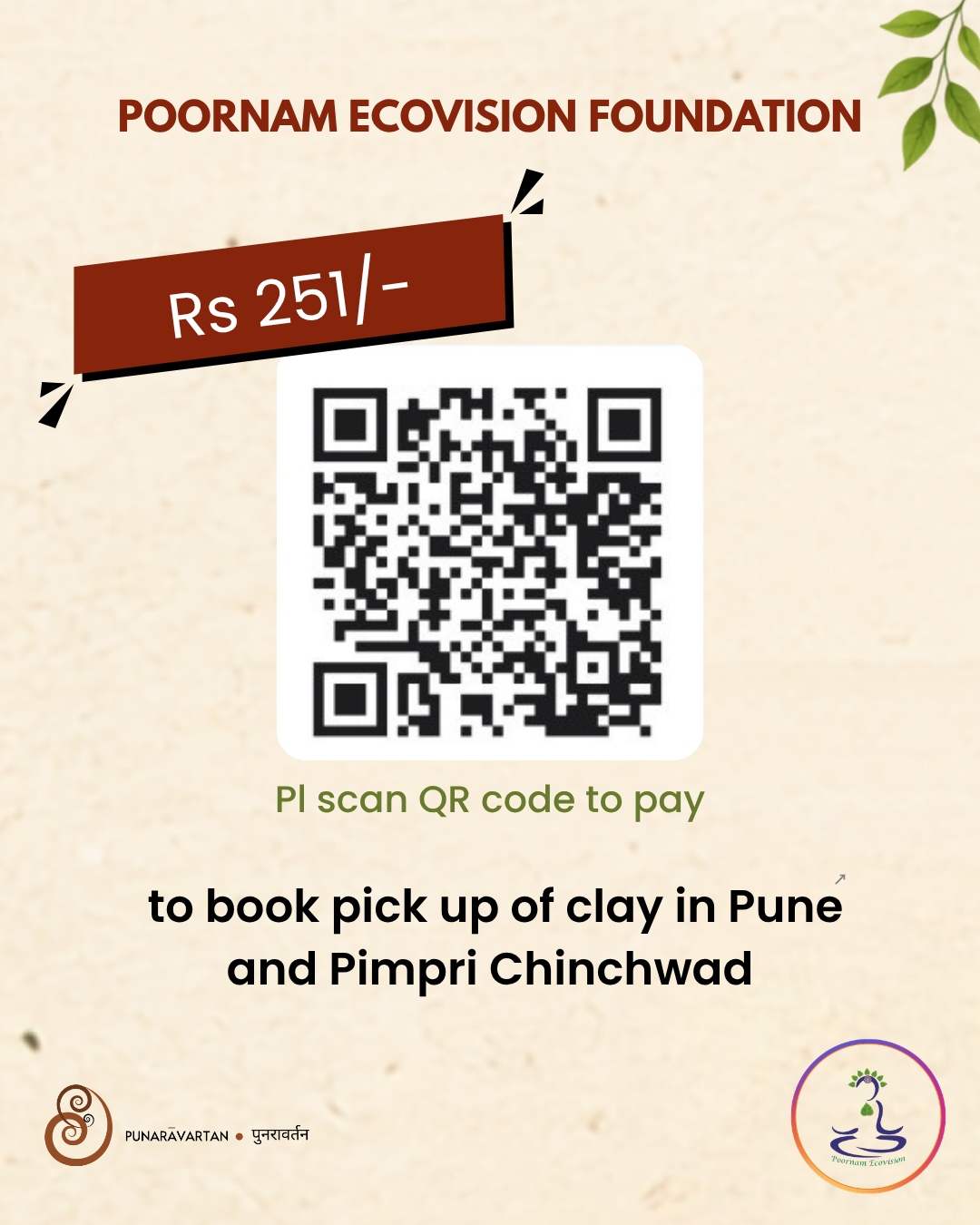
For 2026, Poornam Ecovision is launching a pick up service from your doorstep for a token contribution of Rs. 251/- to cover transport costs. Please scan the QR code in the poster to place a booking for Pune and Pimpri Chinchwad. Use the QR code below to make your payment and include the screenshot in the form before you submit it.
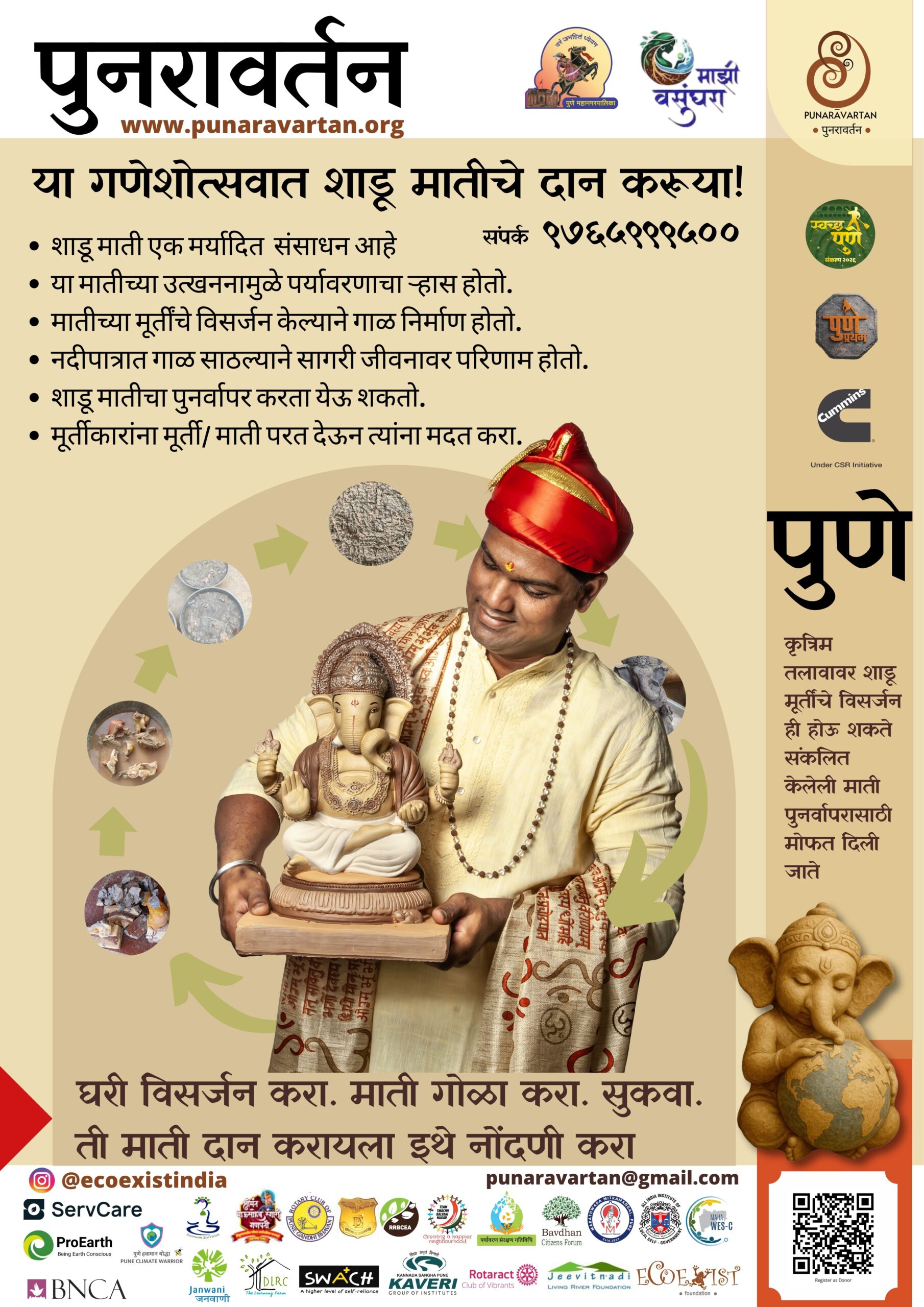
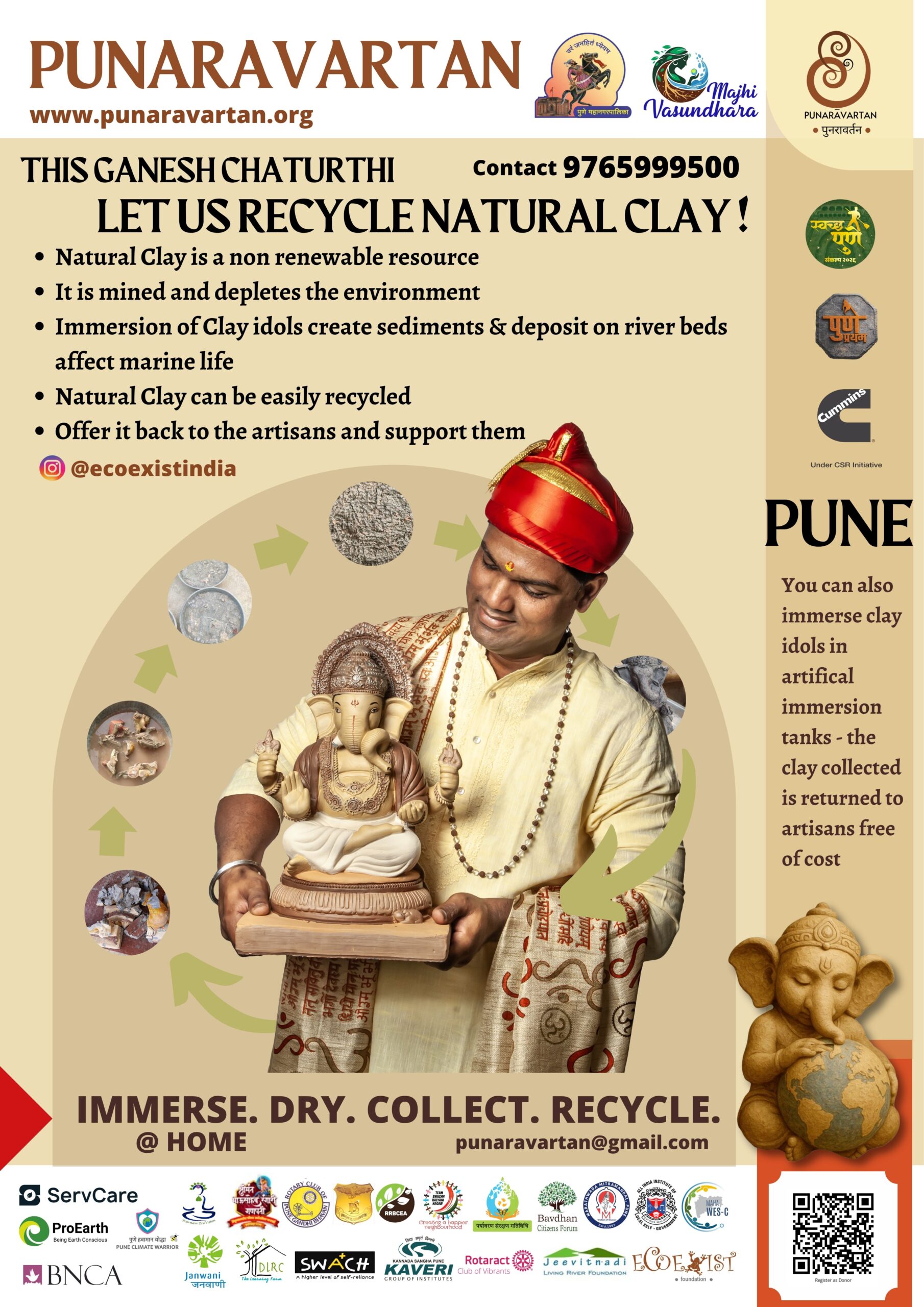
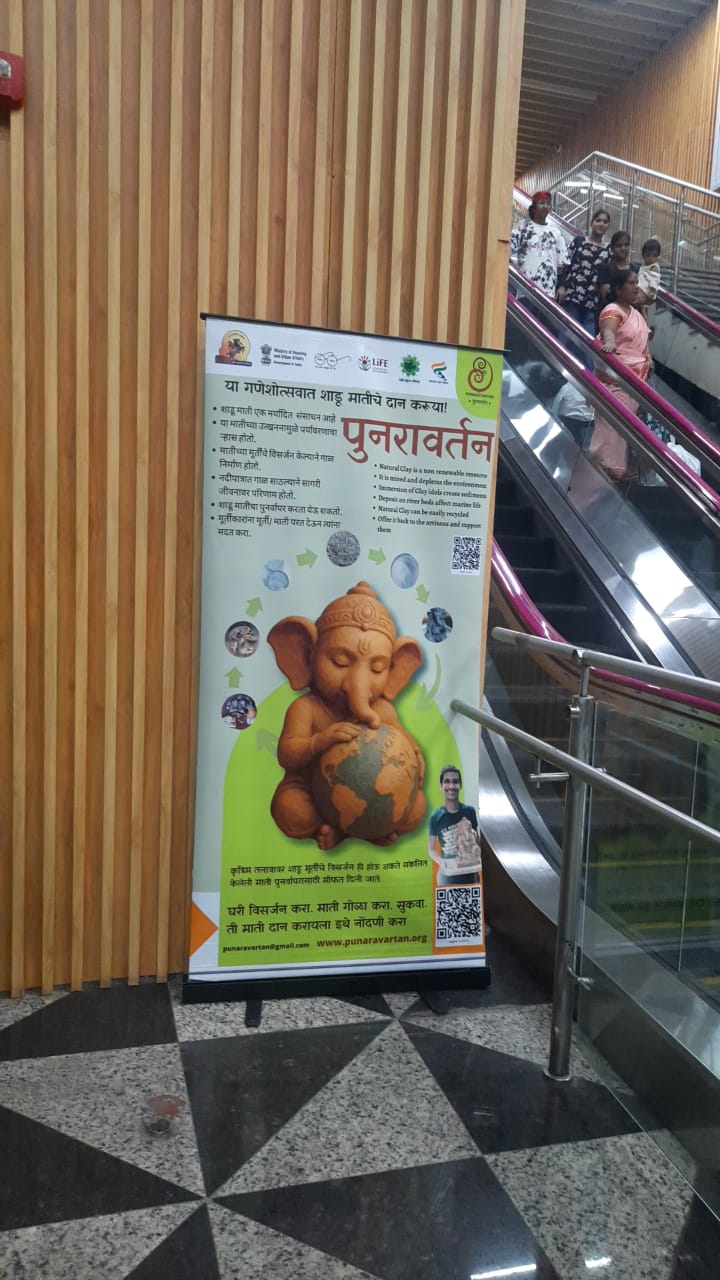
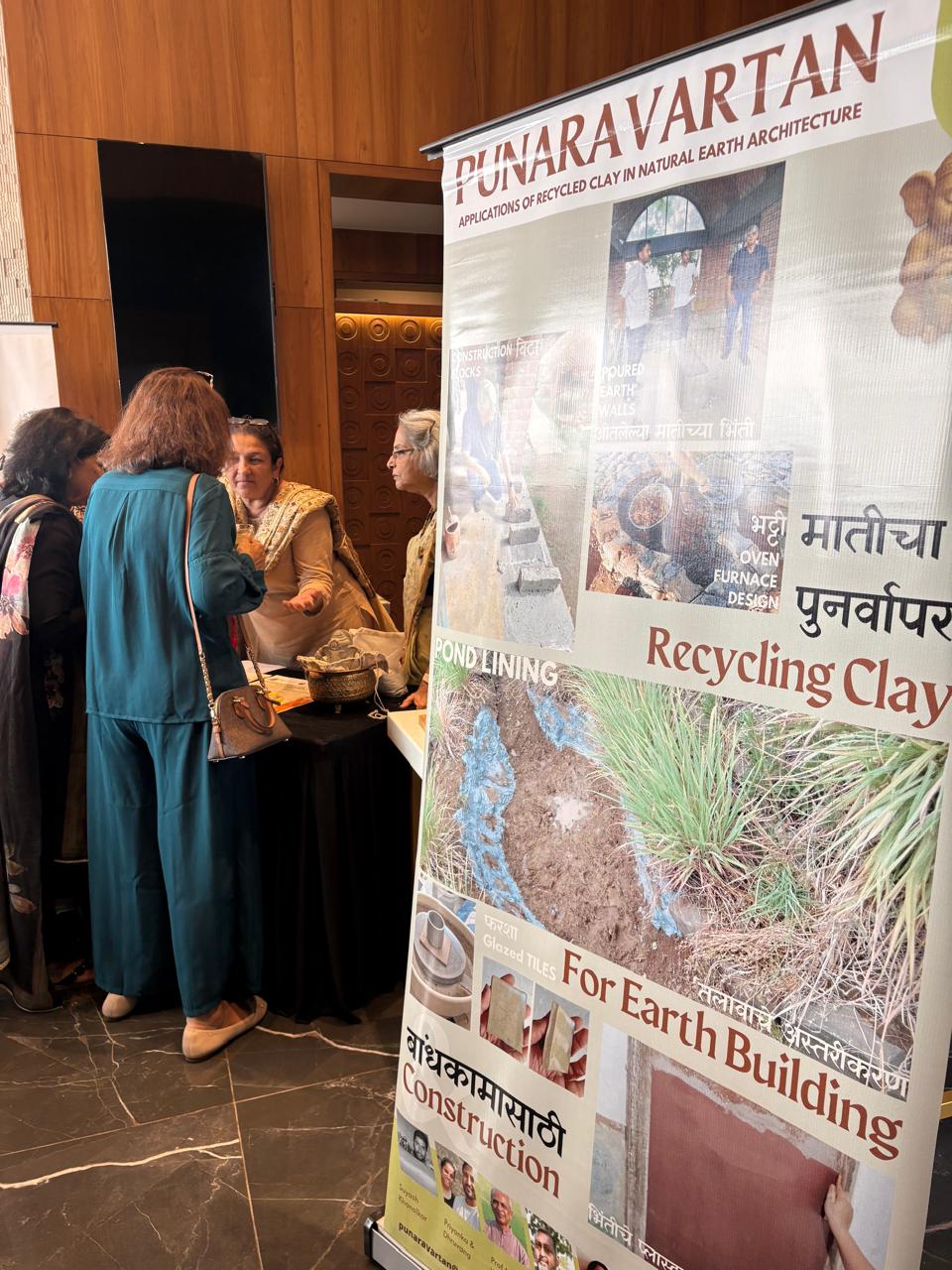
Punaravartan Posters
PMC Manyata Patra
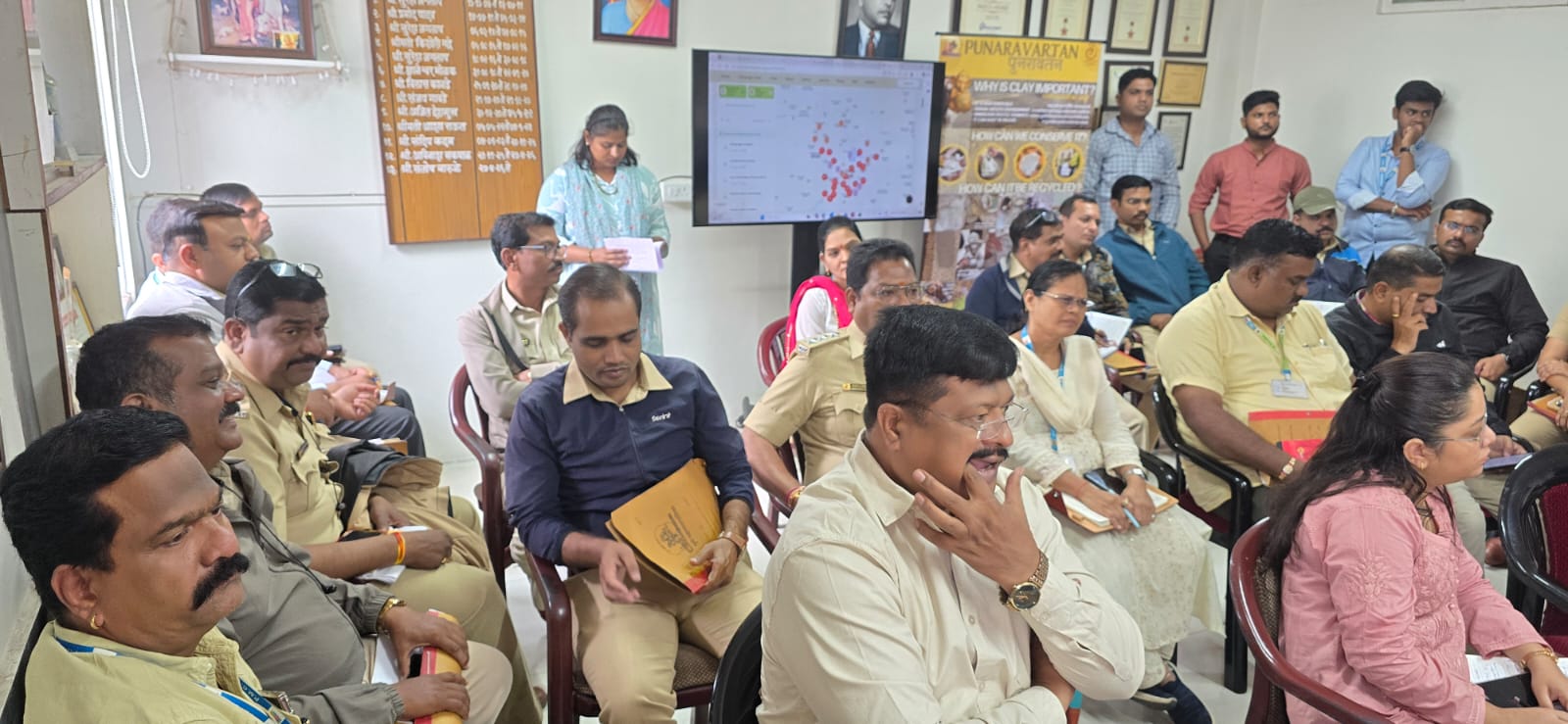
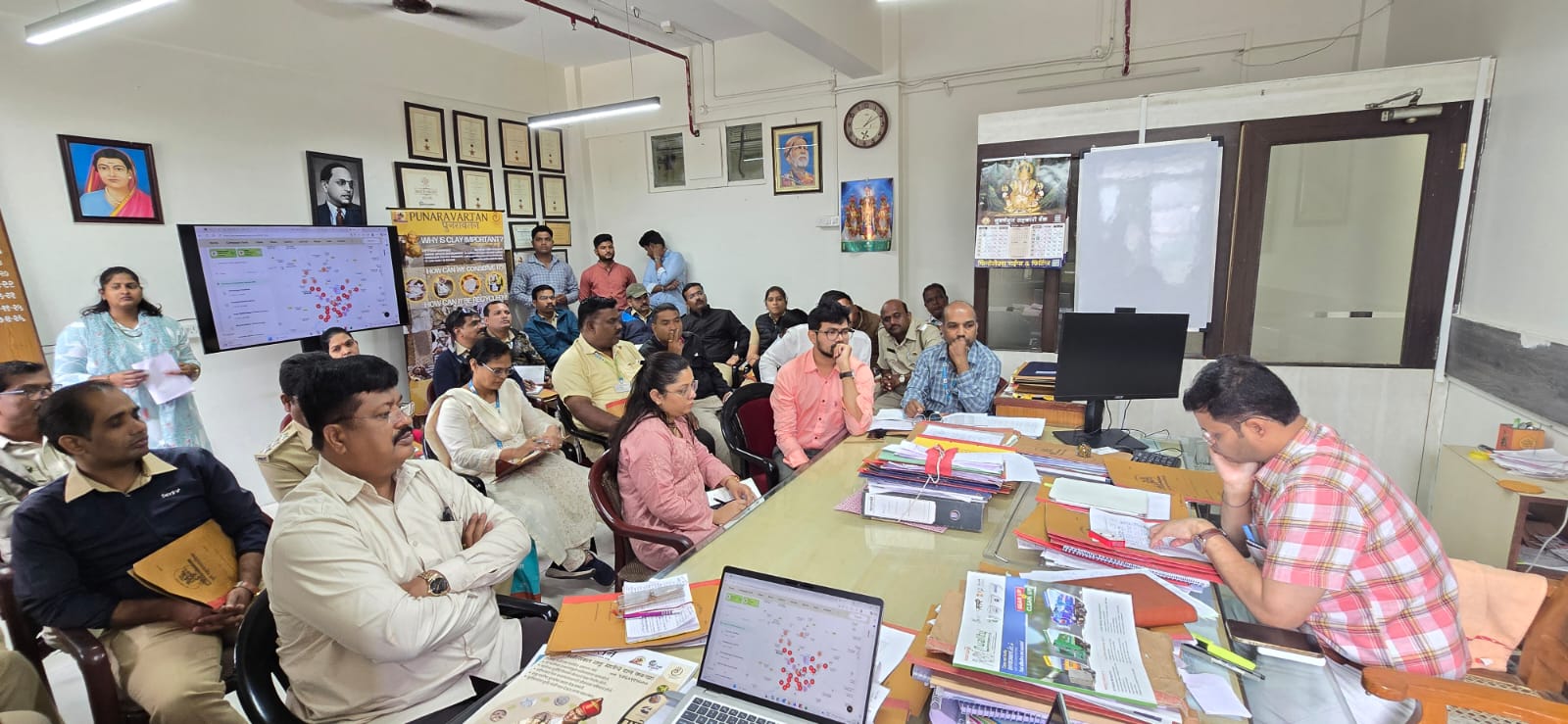
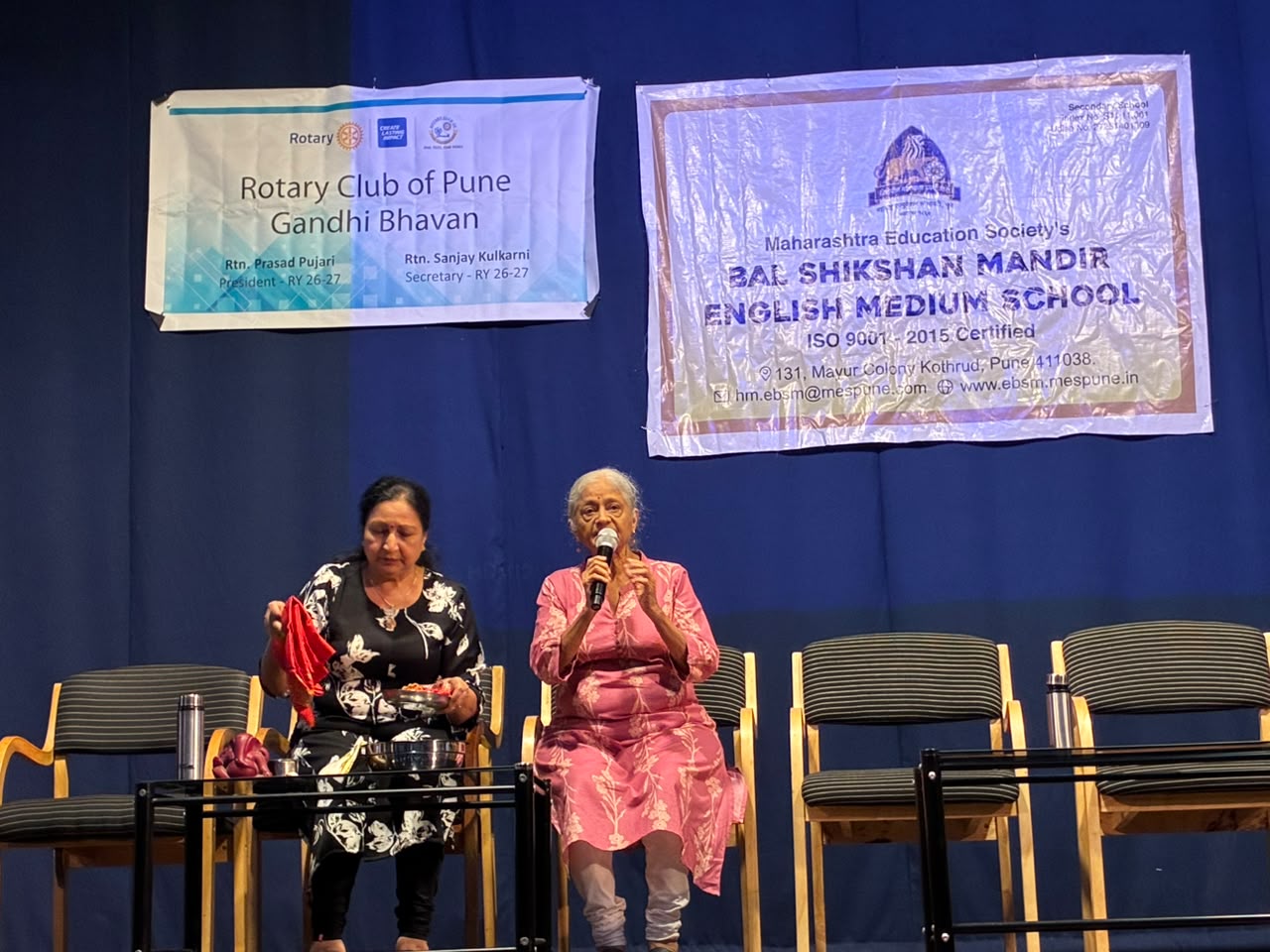
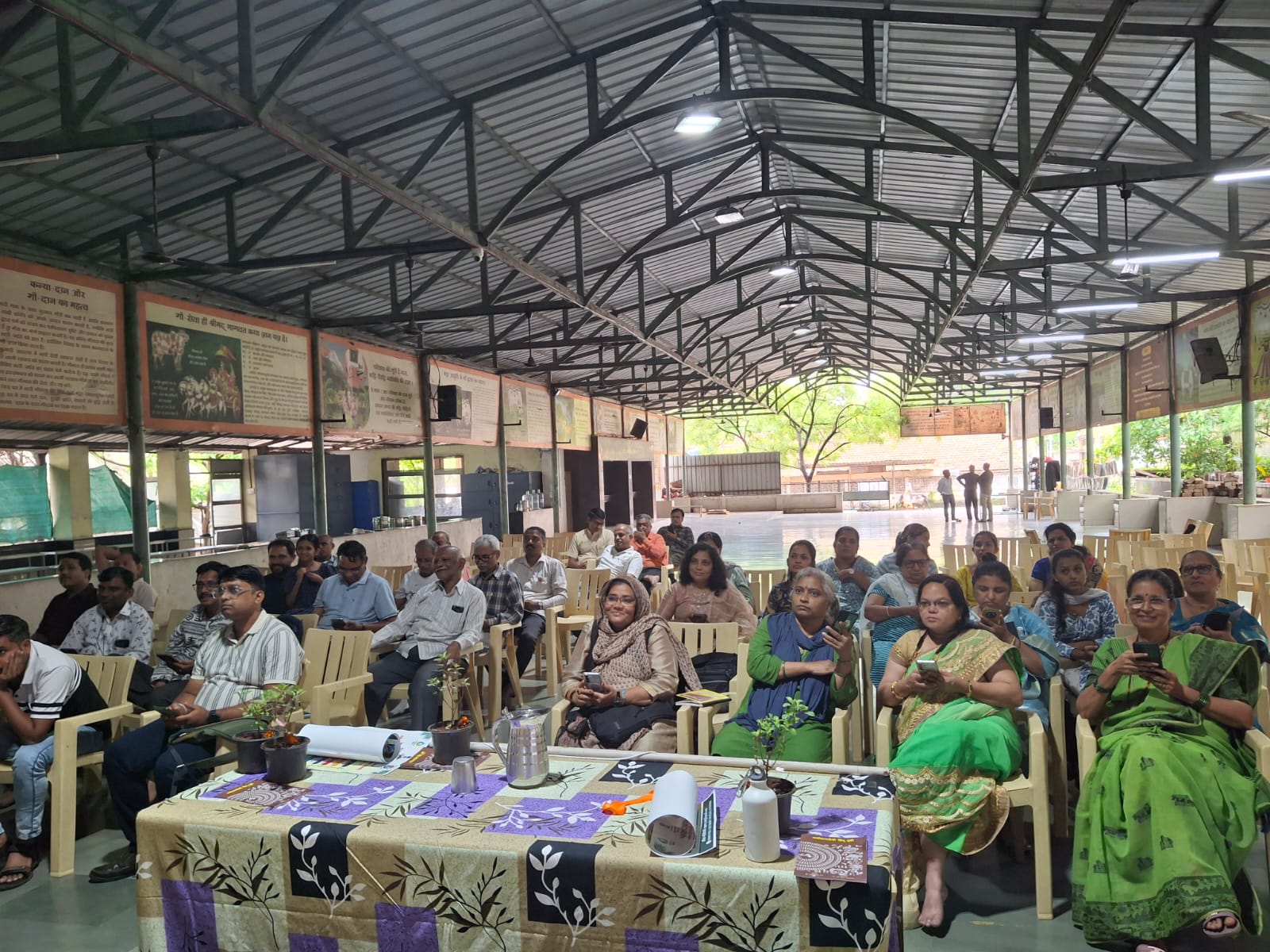
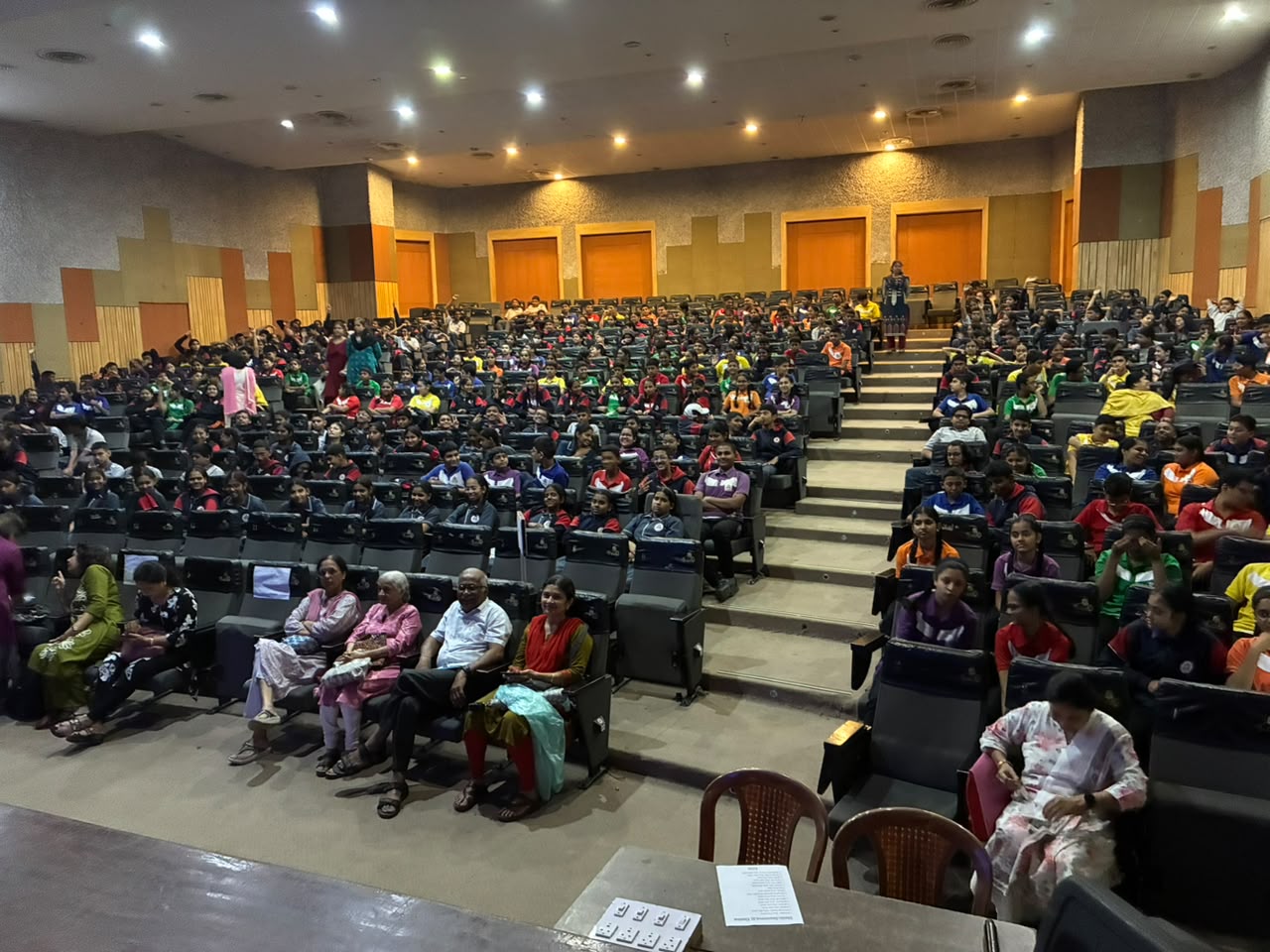
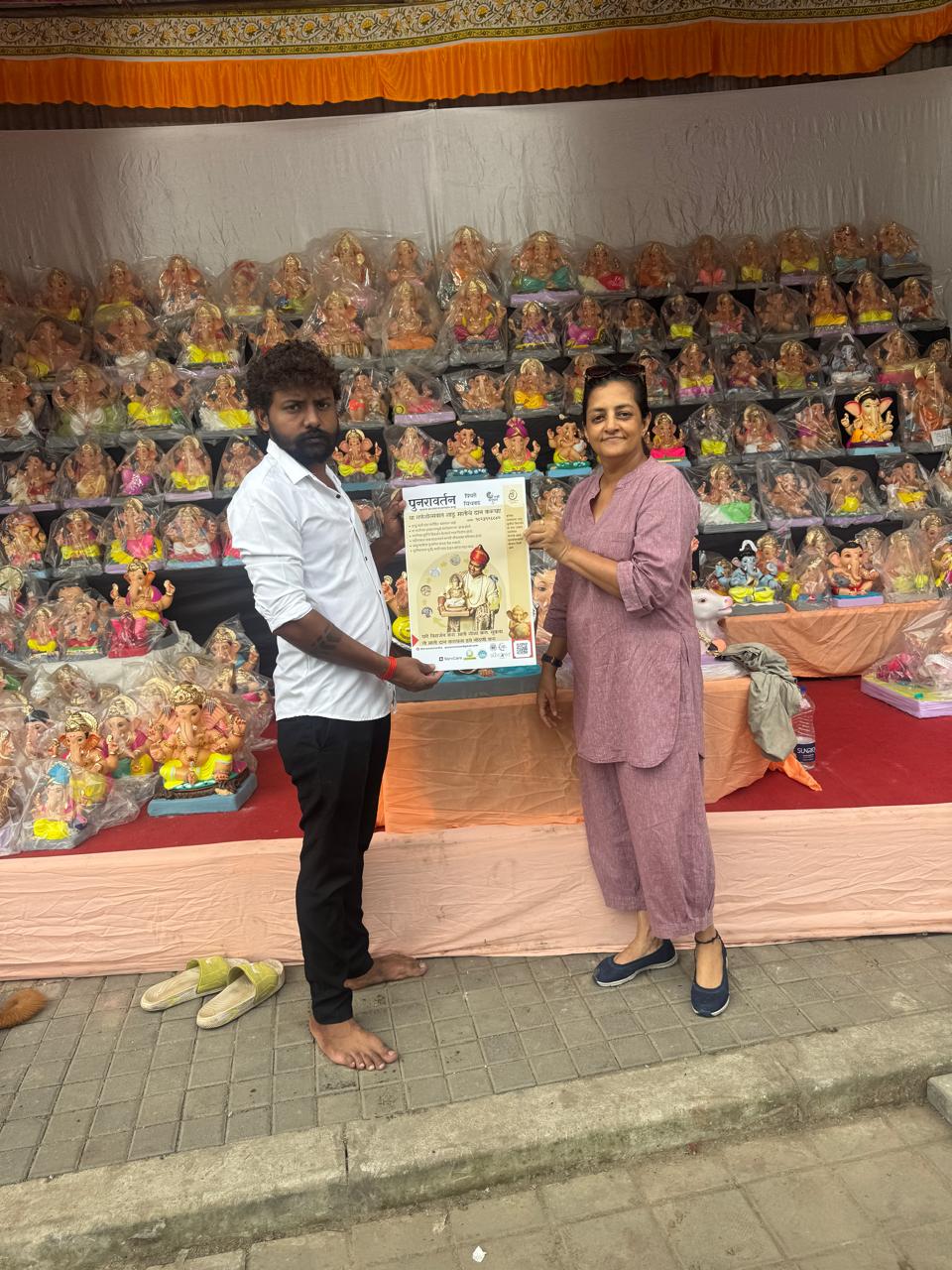
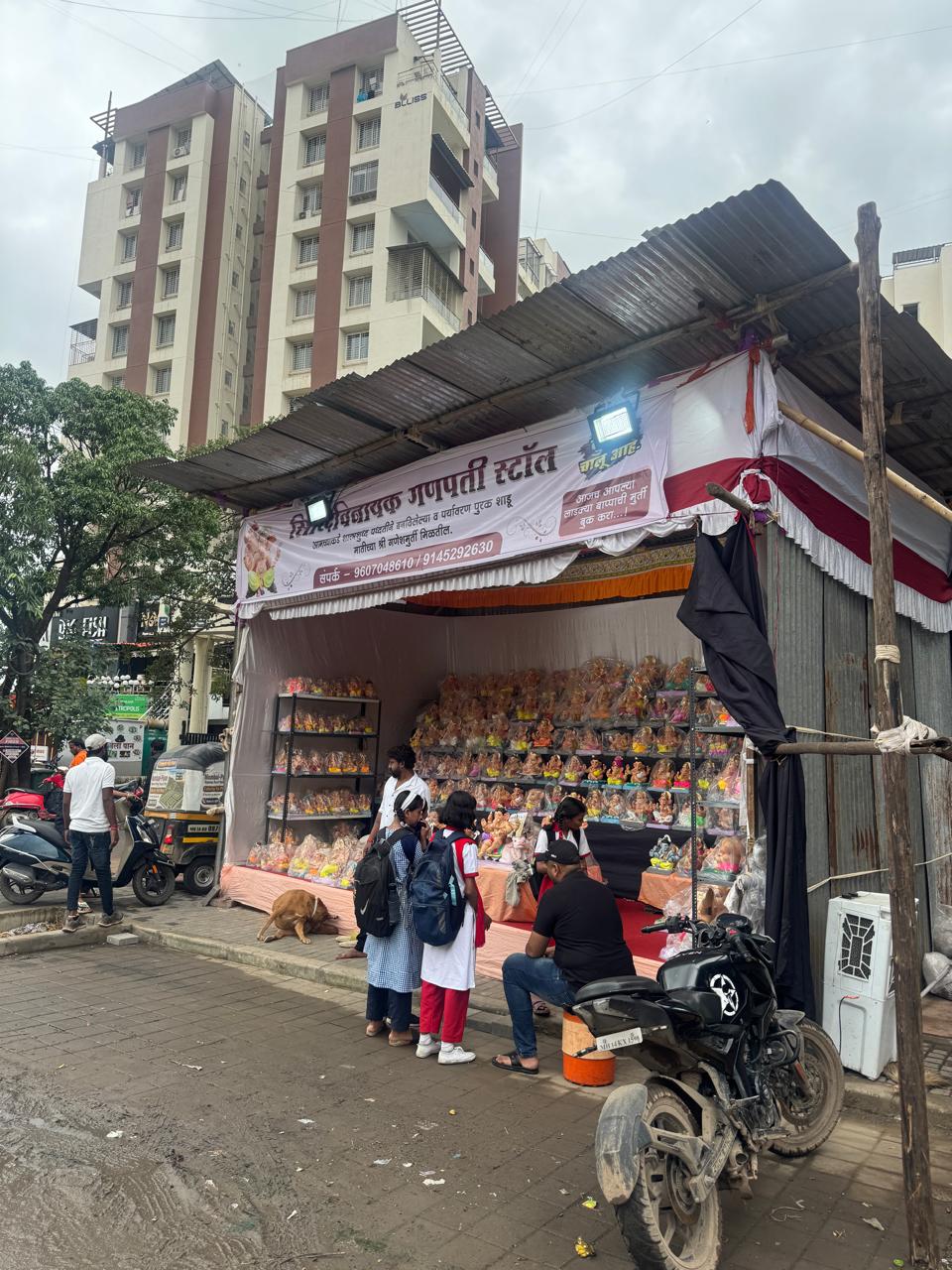
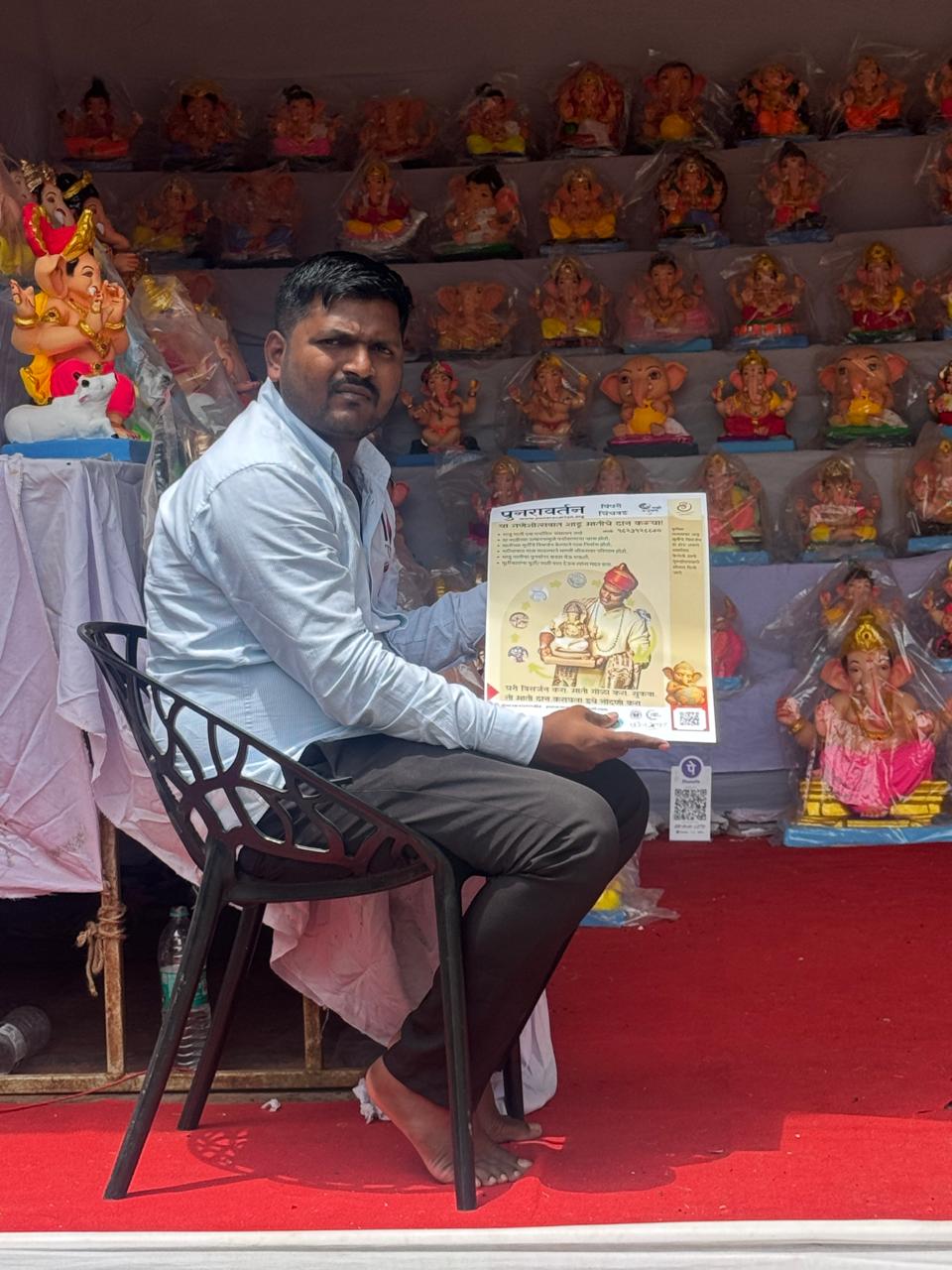
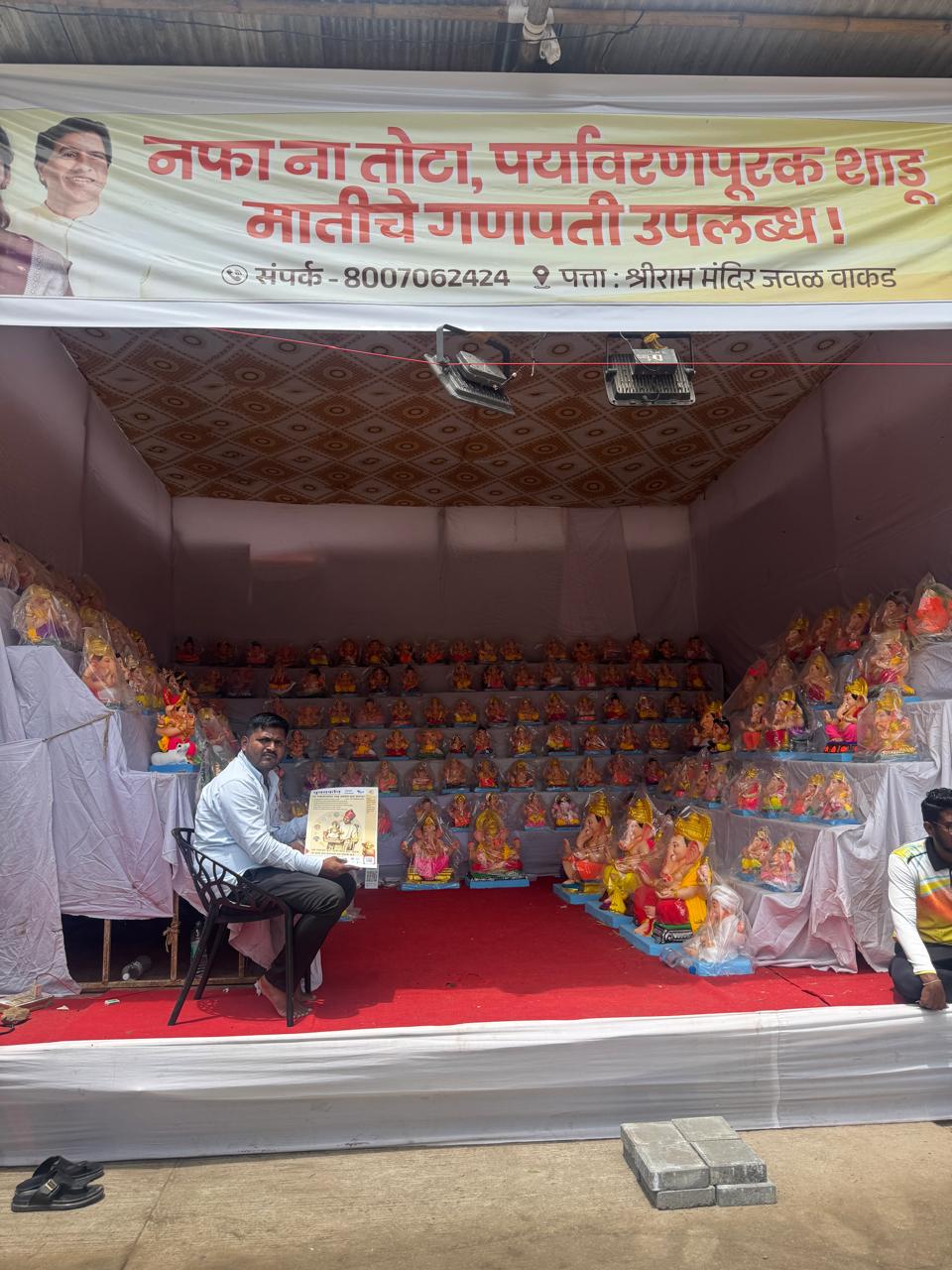
Campaign Activities
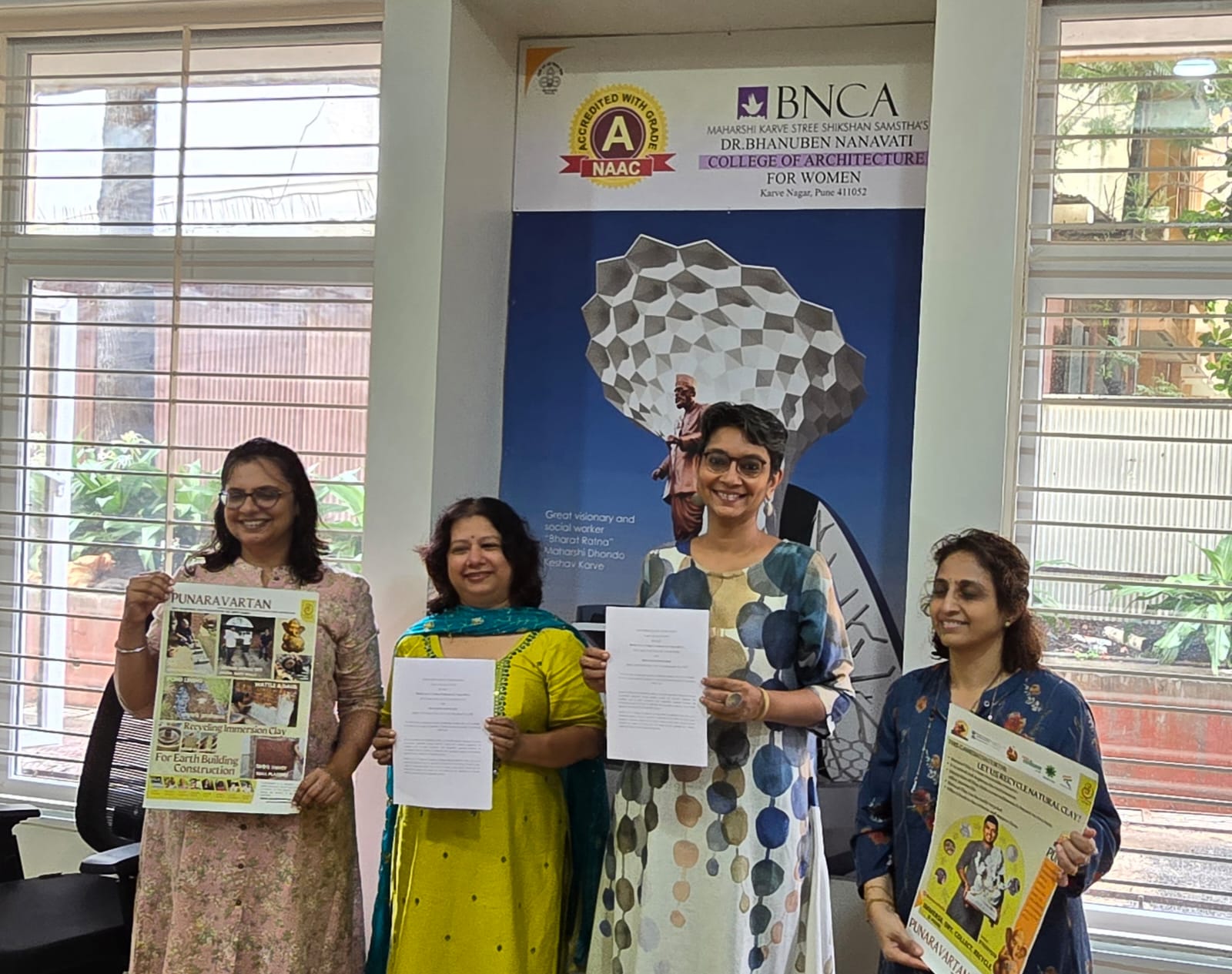
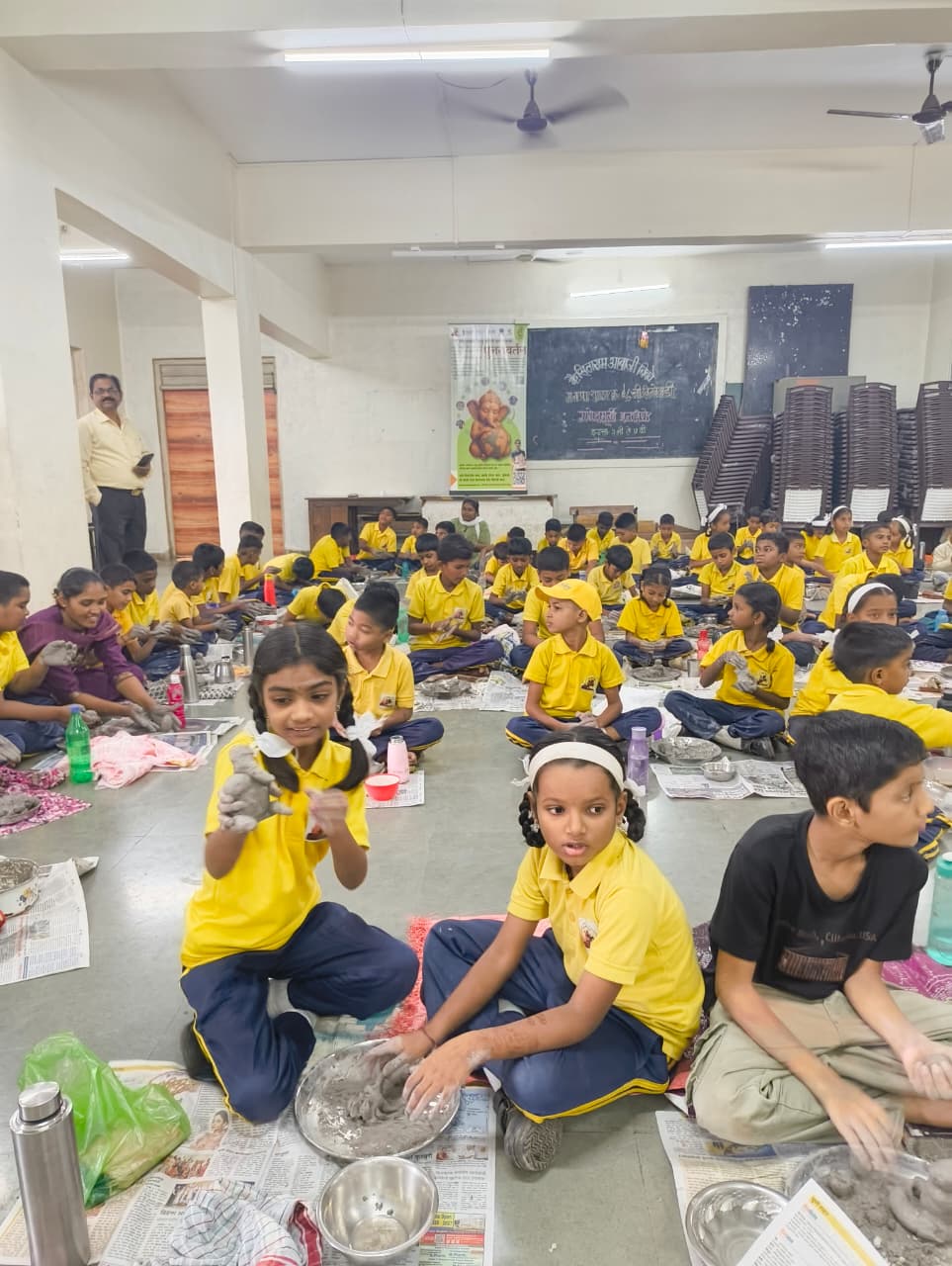
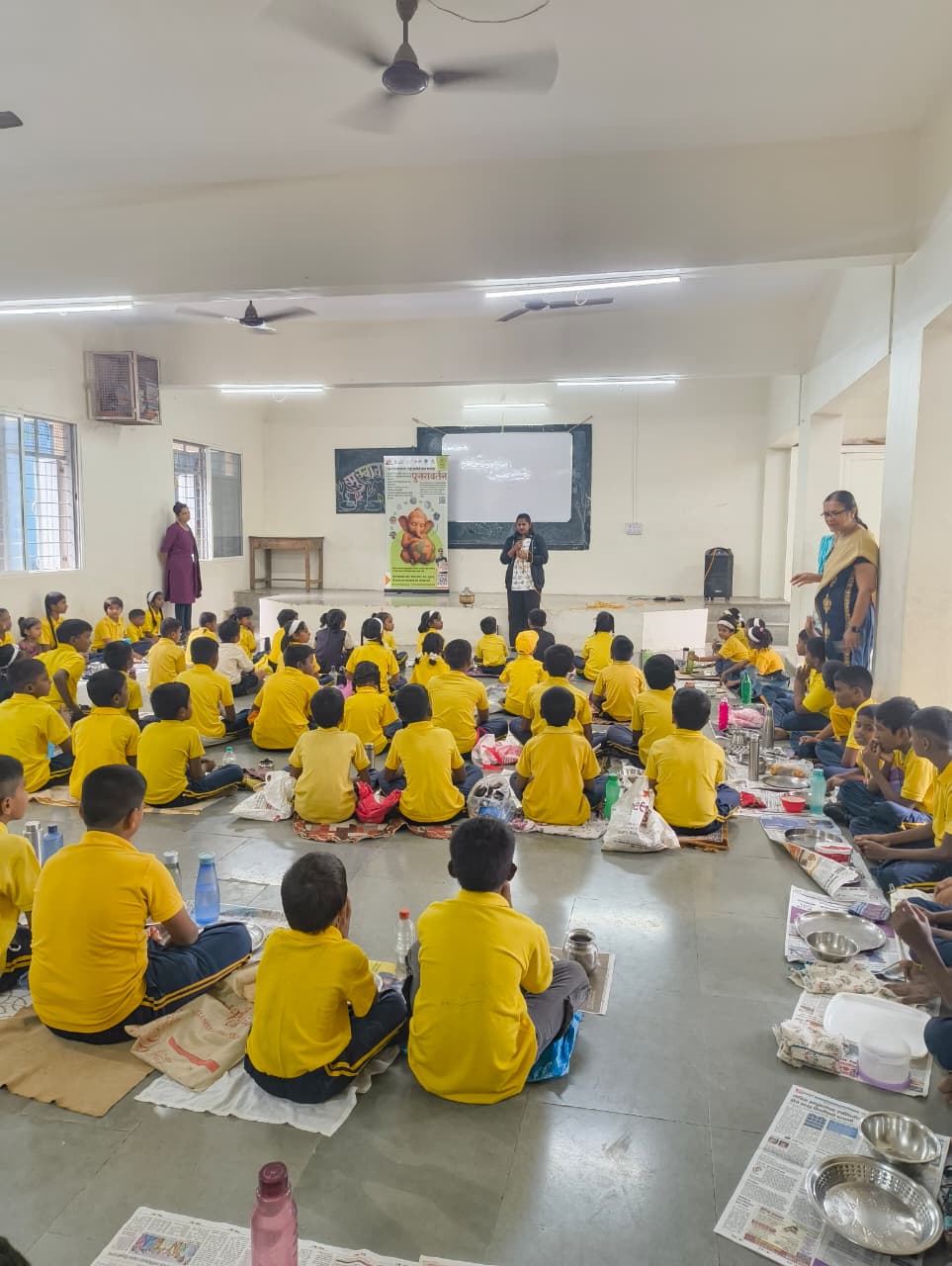
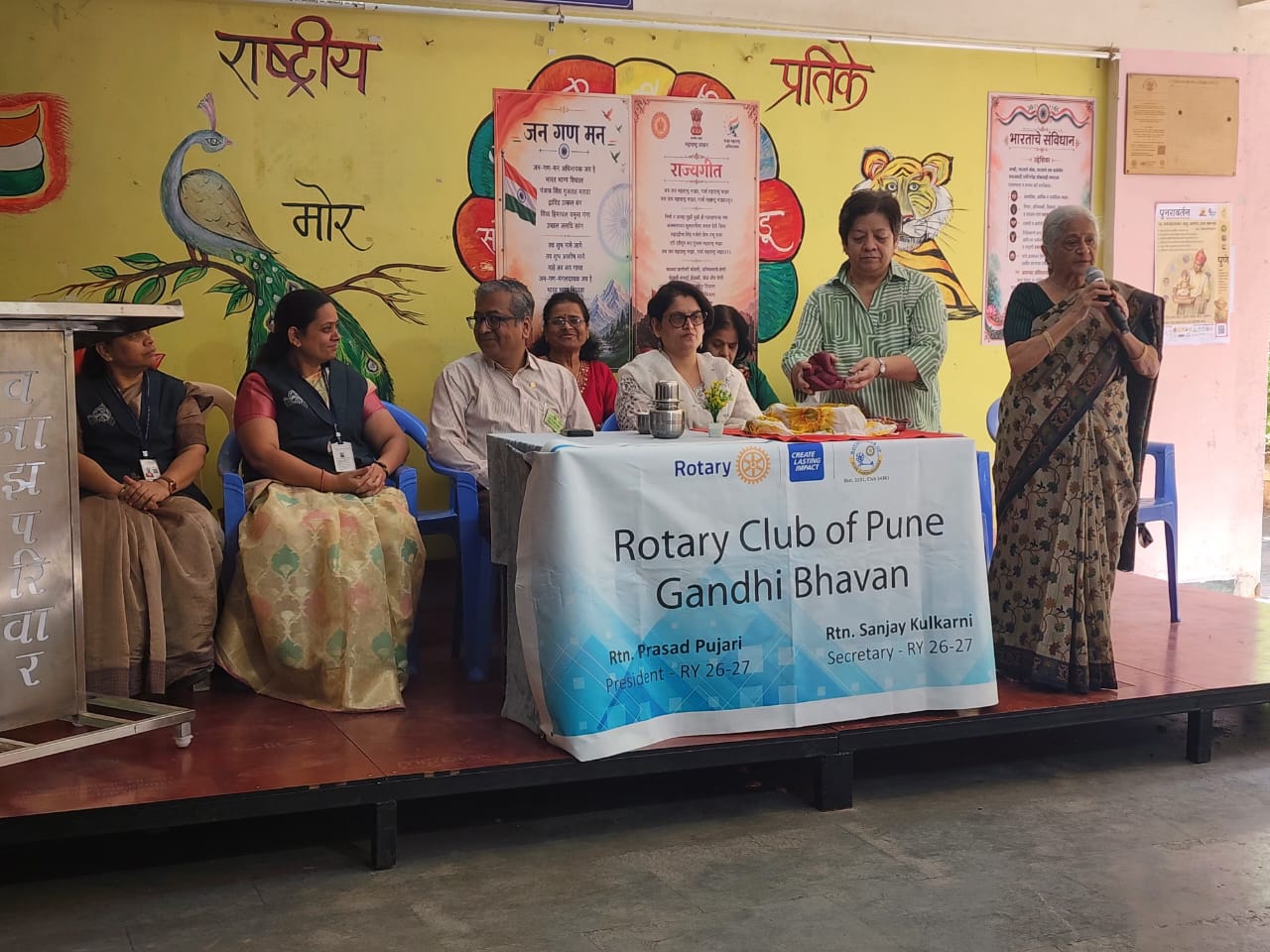
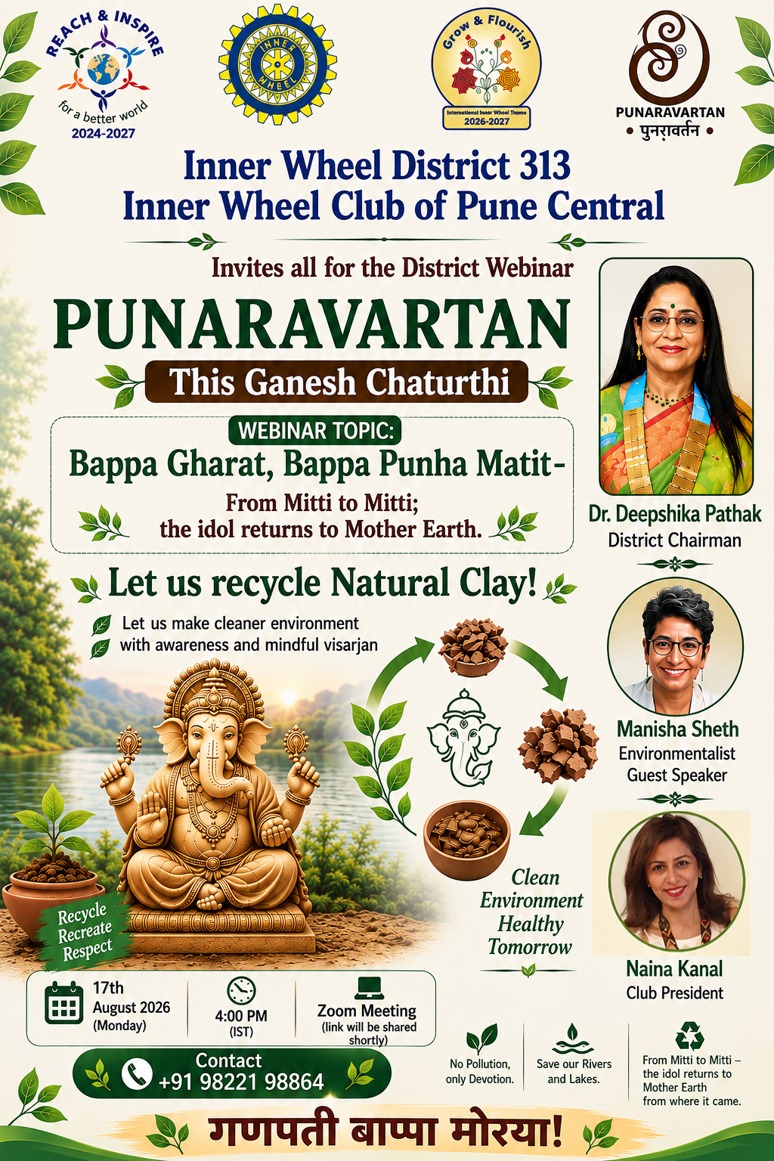
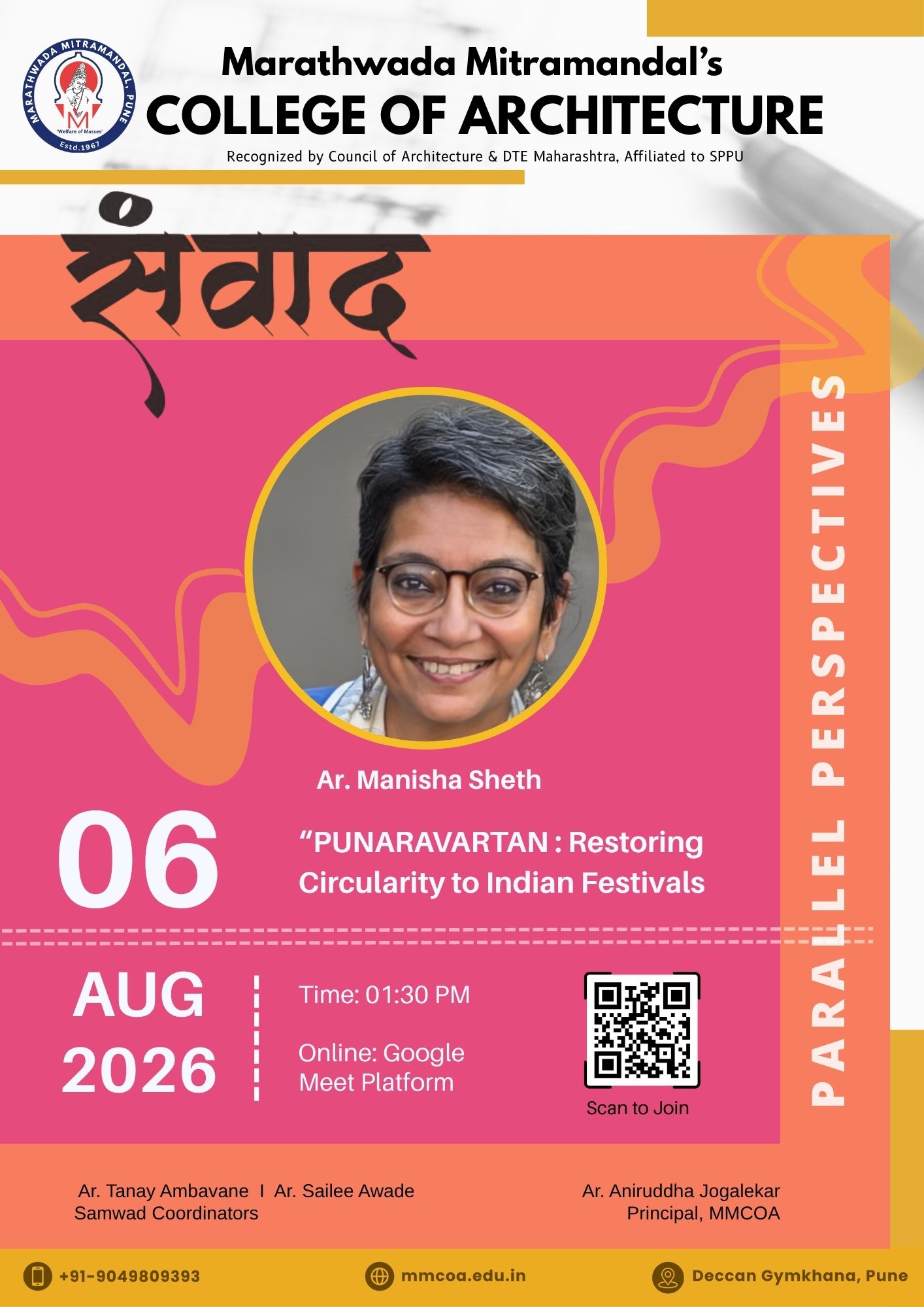
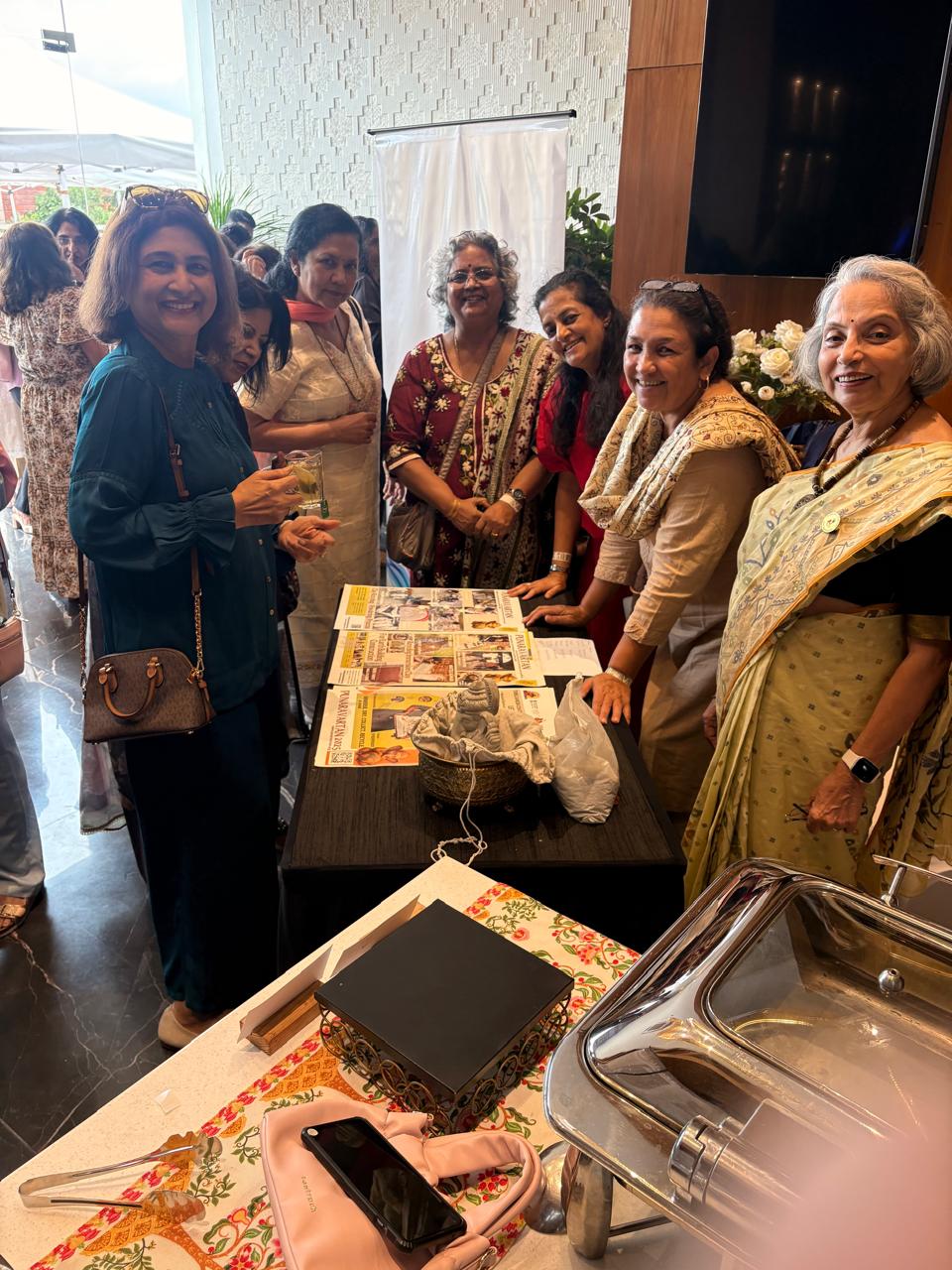
Campaign Partners Pune





Glimpses from past campaigns
-
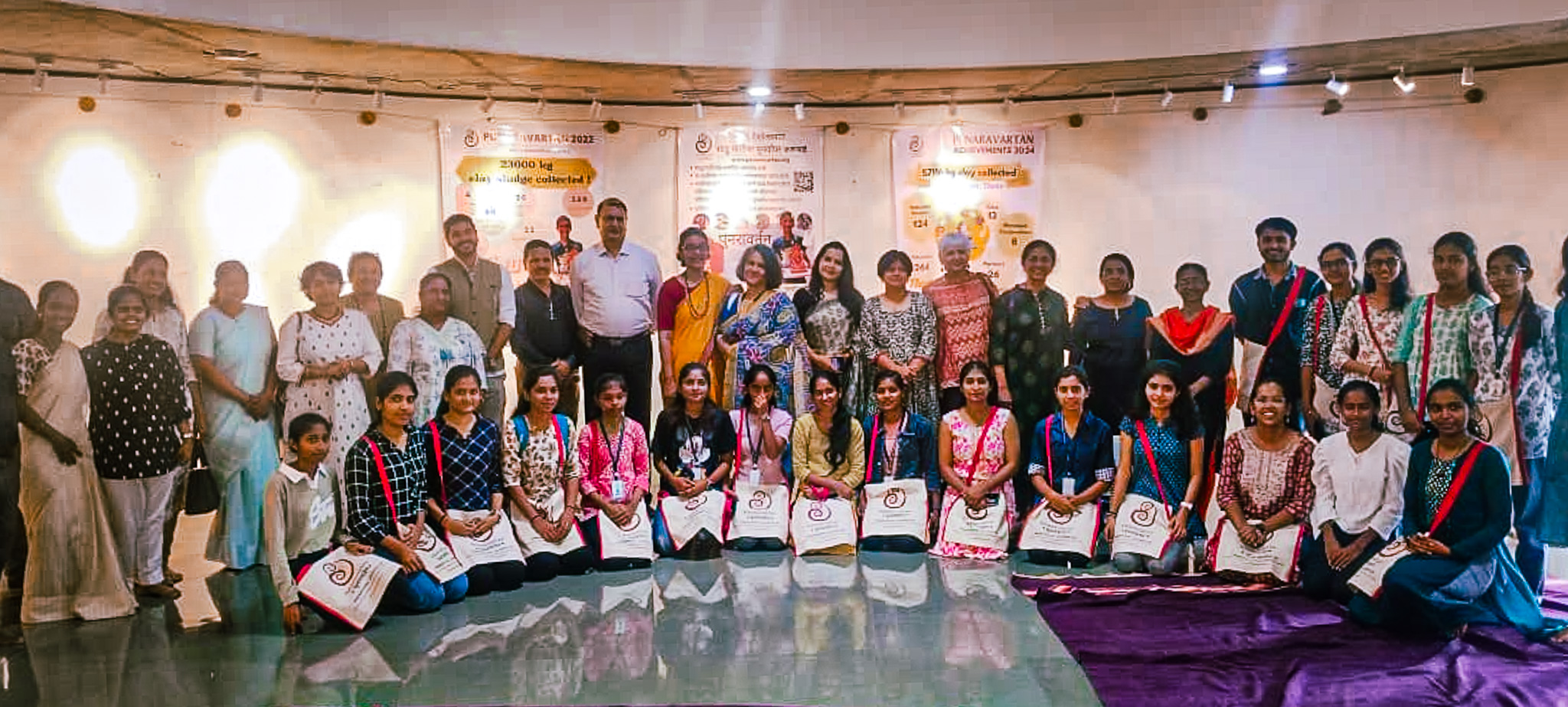
- Aabhaar Sabha 2024
-
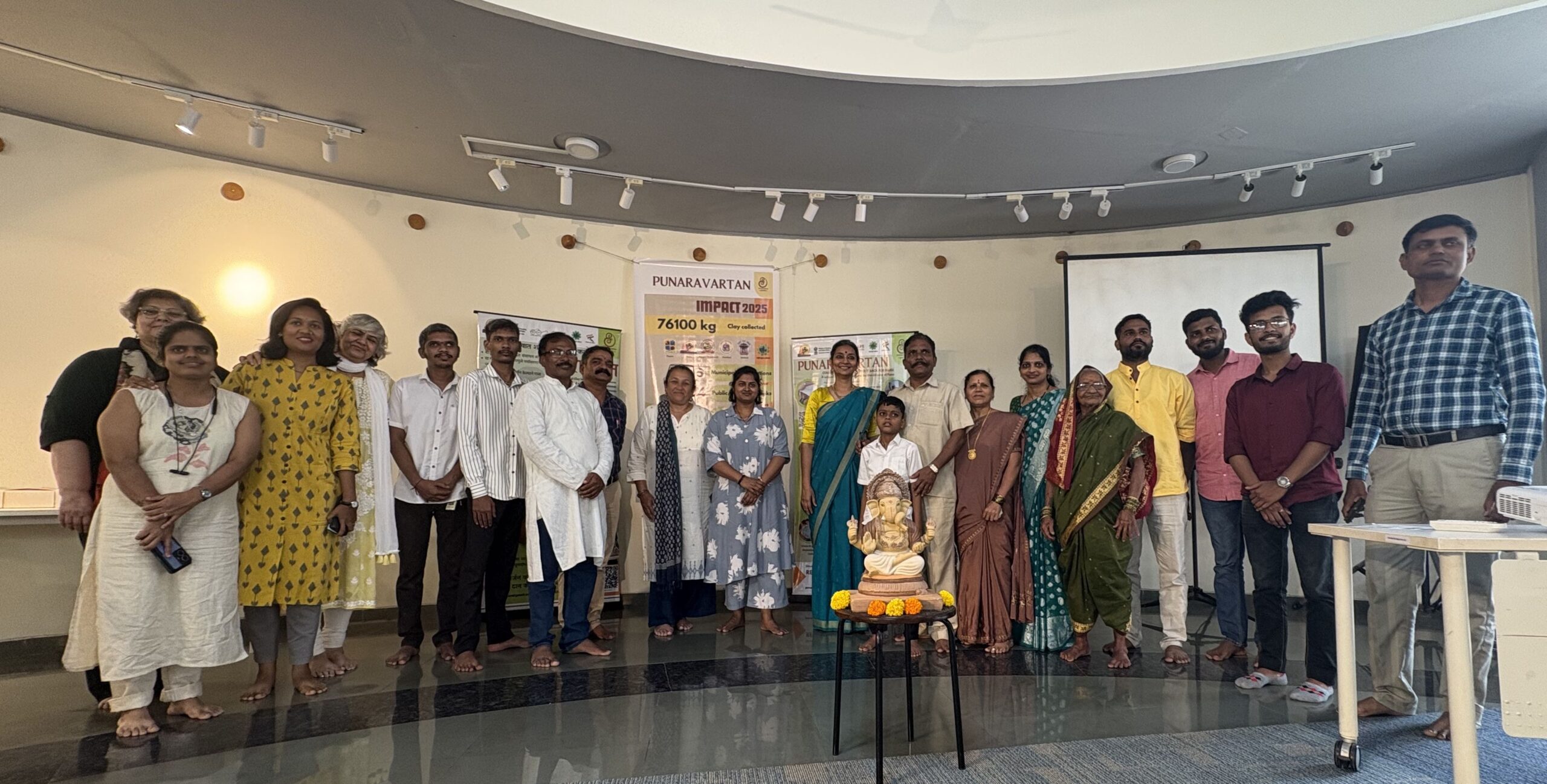
- Aabhaar Sabha 2025
-
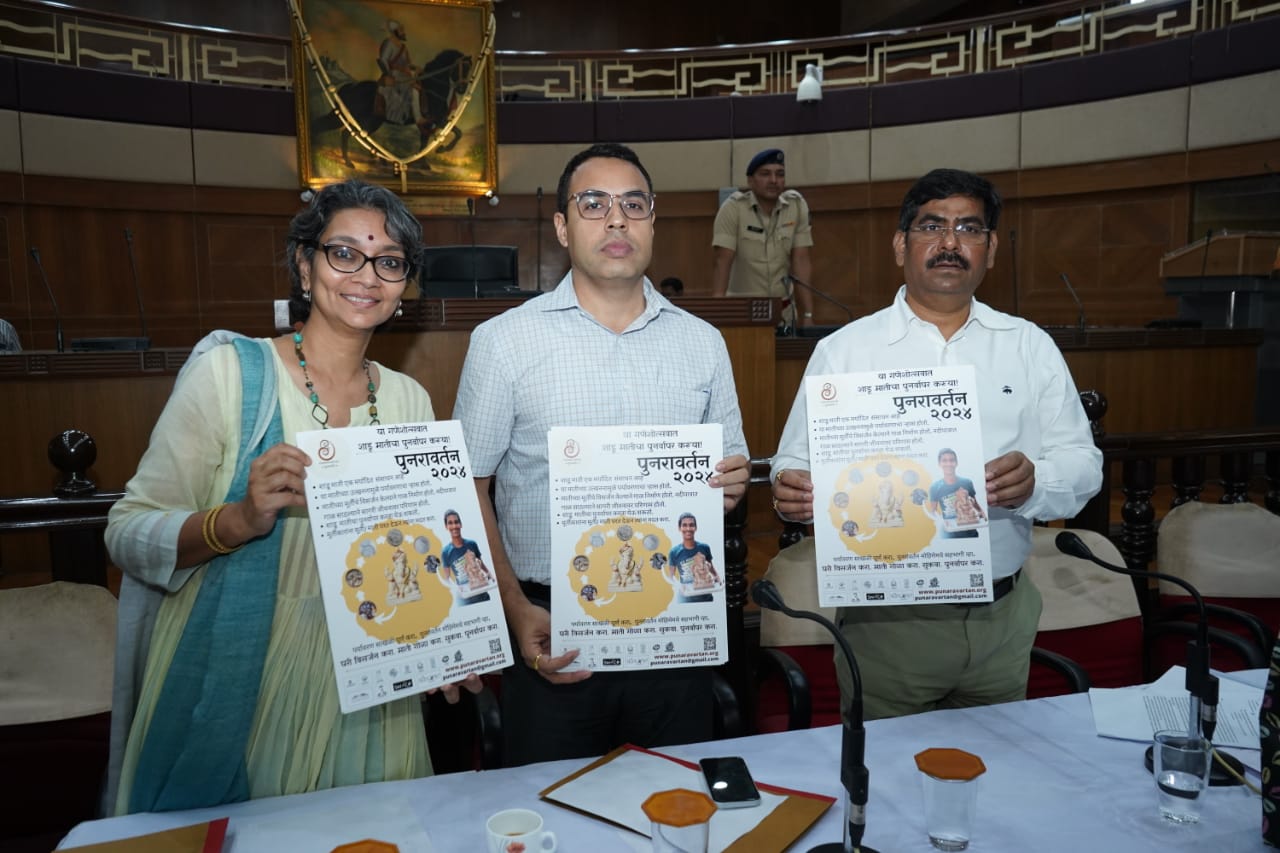
- PMC adopts Punaravartan 2024
-
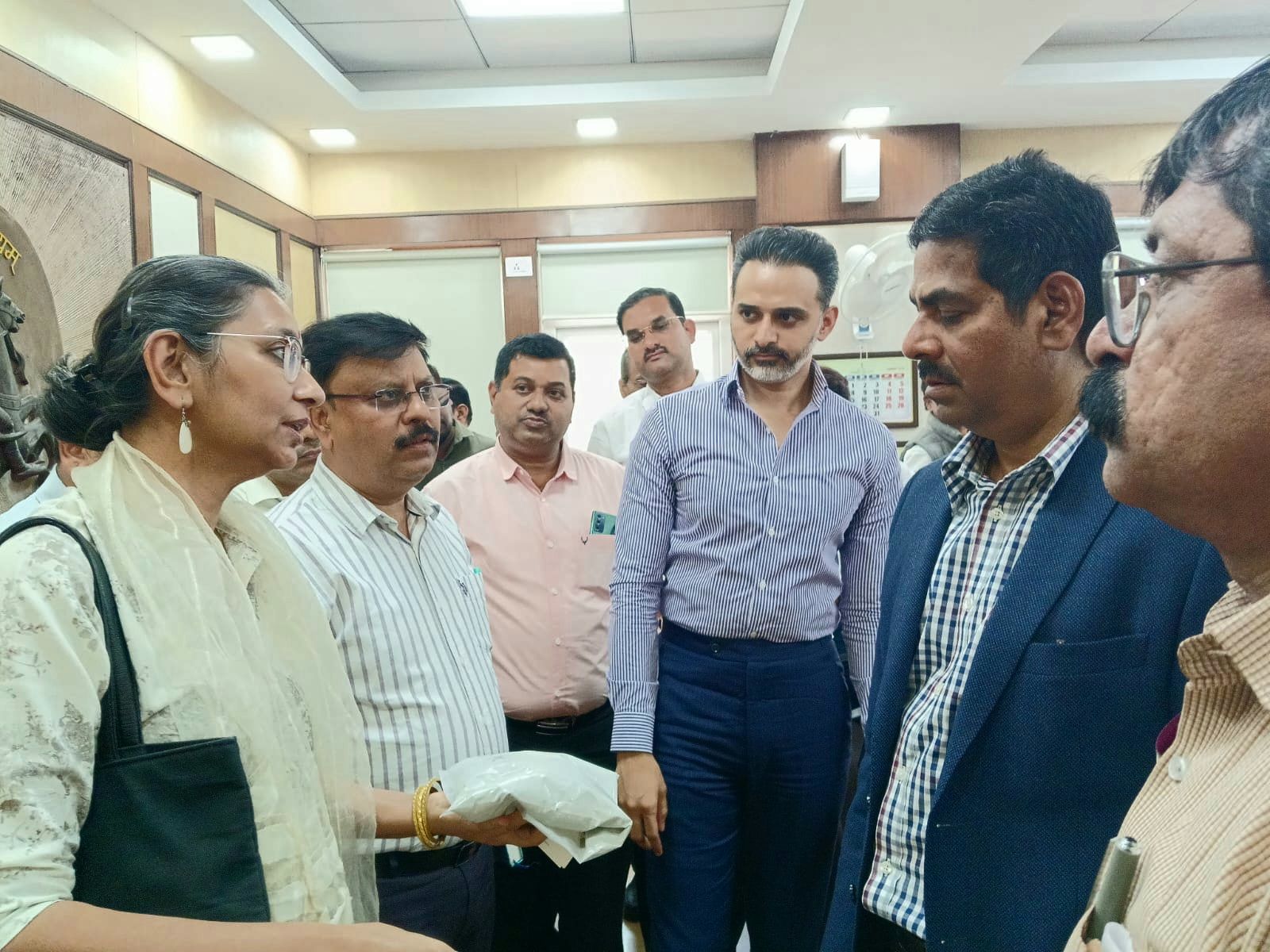
- MPCB chairman 2025
-
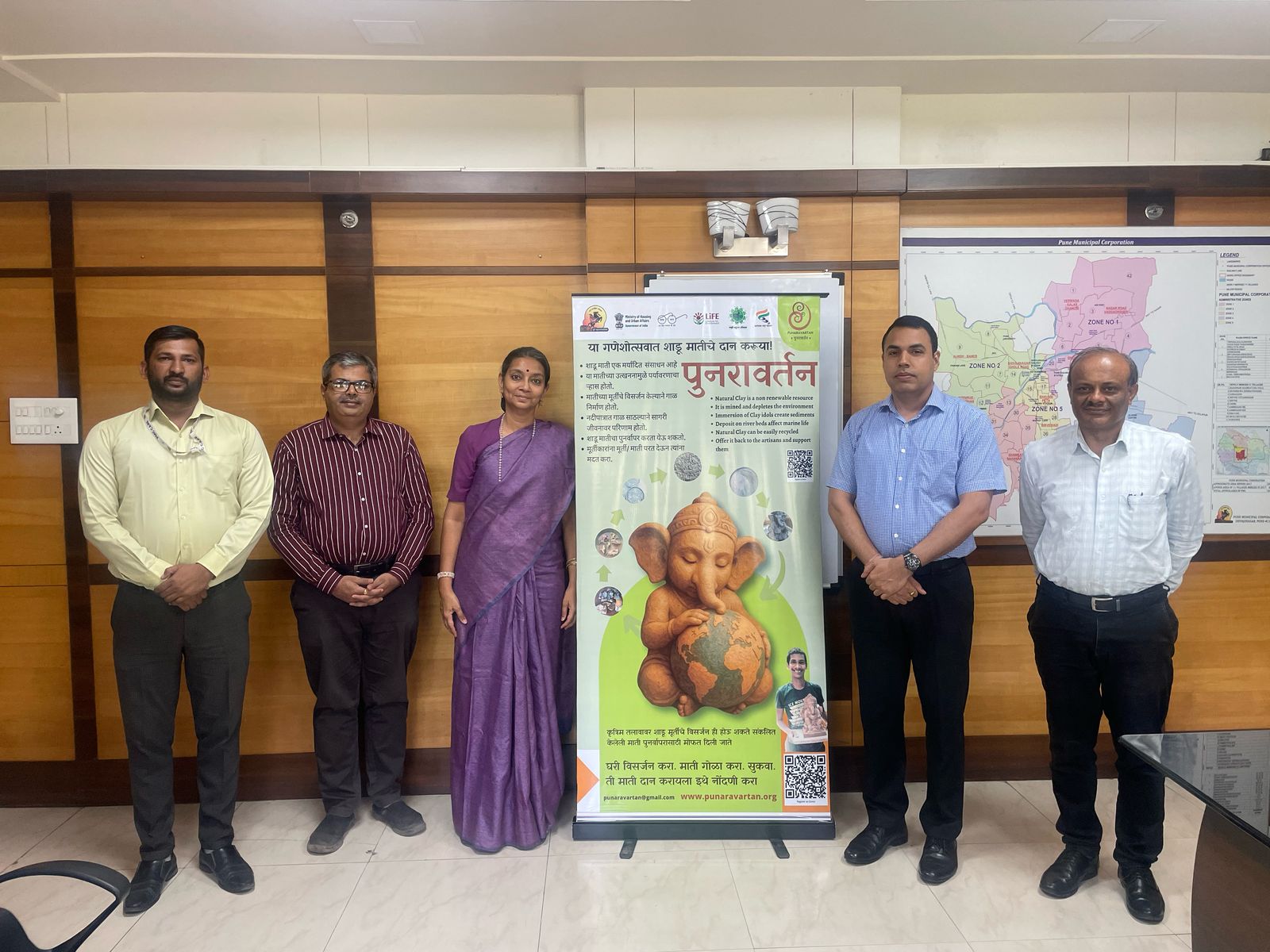
- PMC care mobile application launch
-
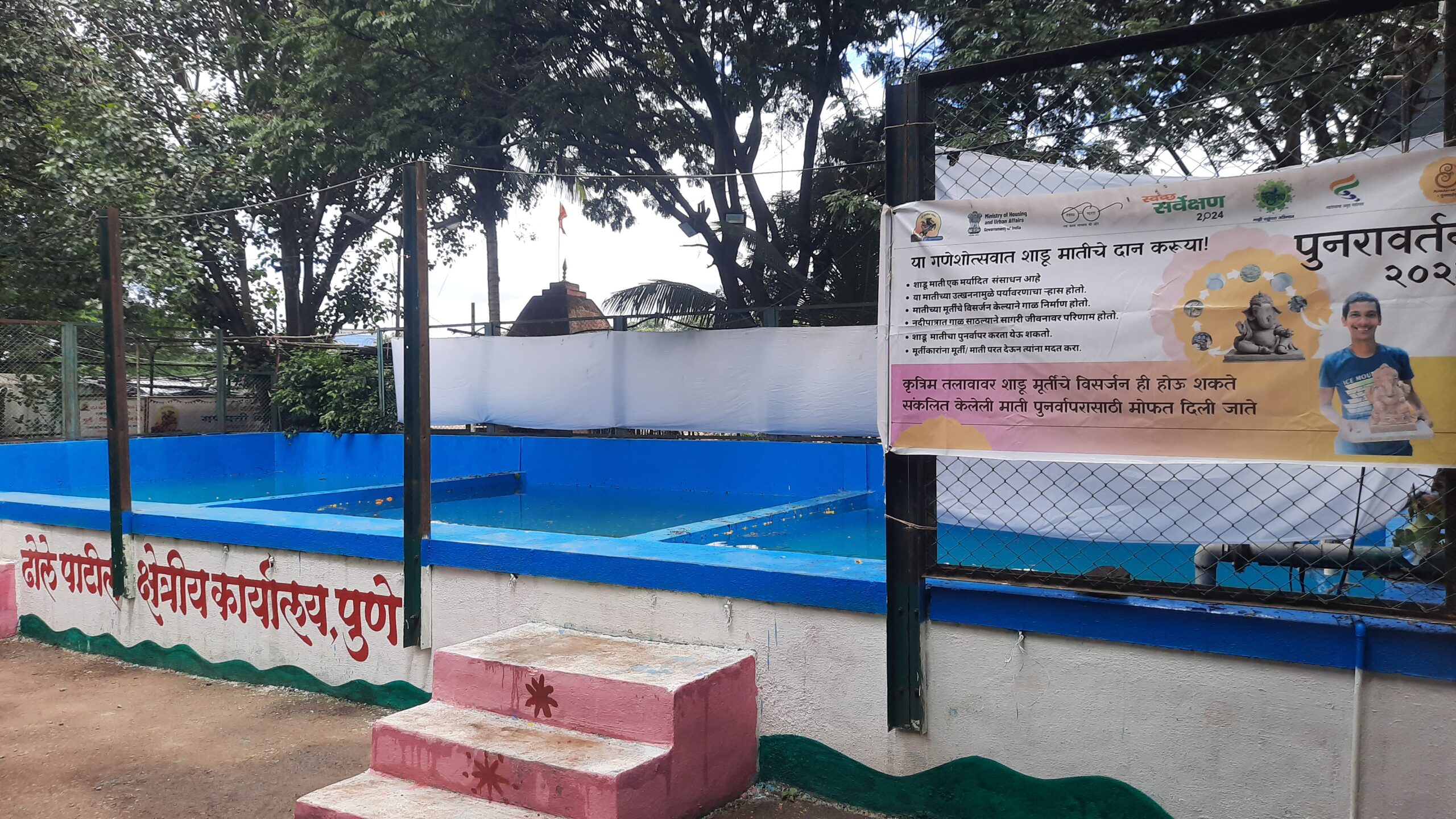
- Bund Garden Immersion Tank 2024
-
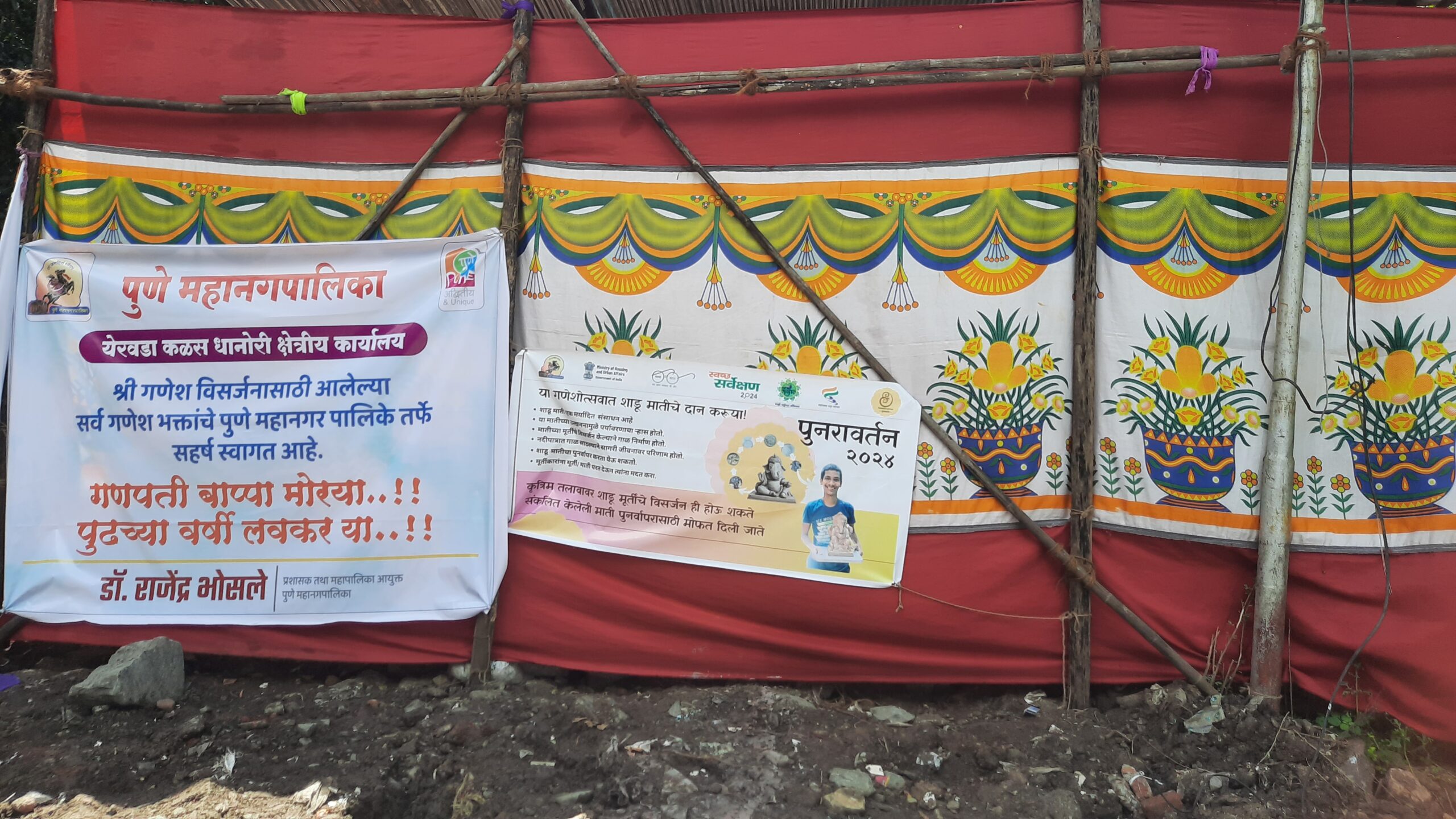
- Shelar Ghat Vishrantwadi 2024
-
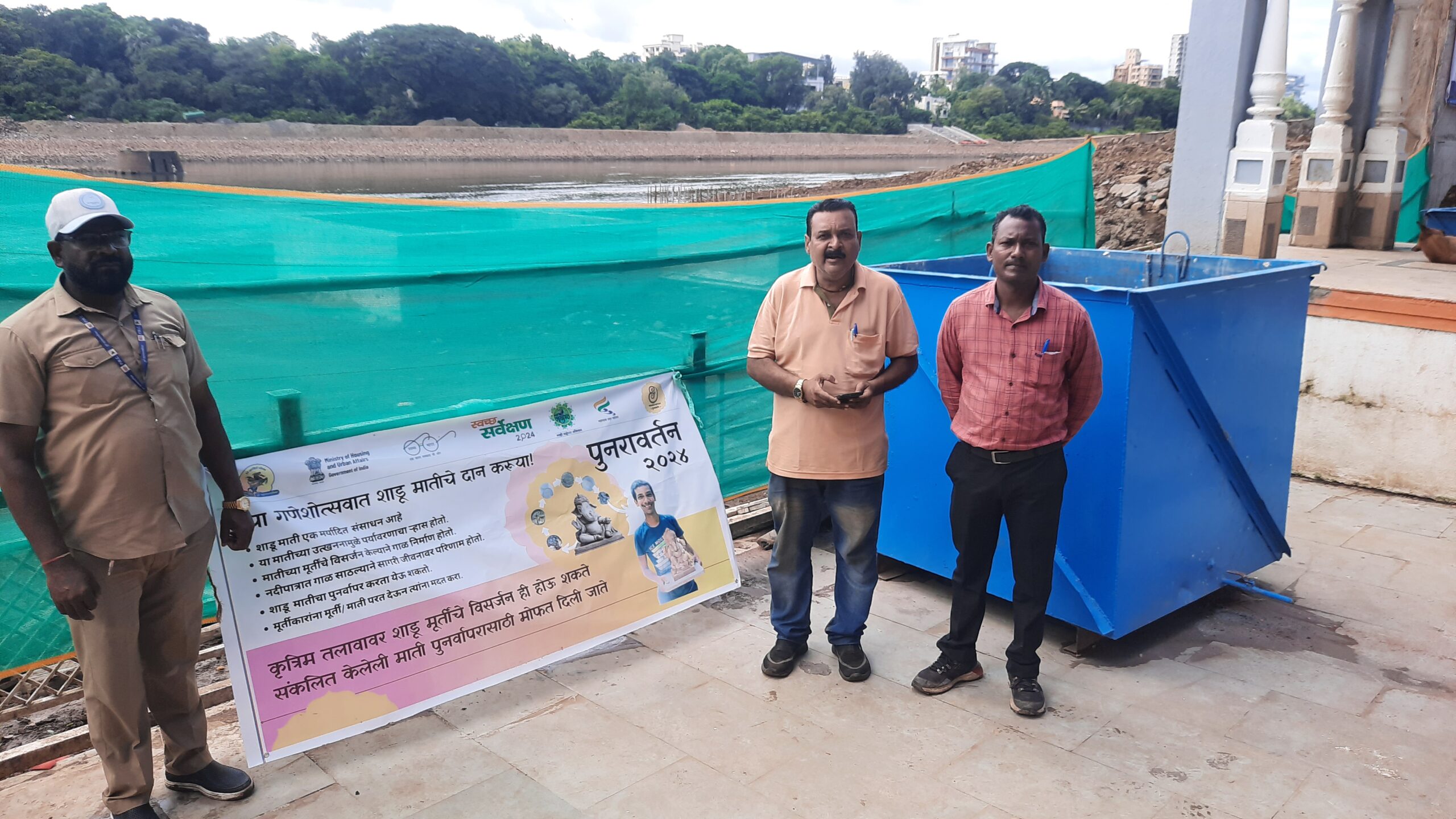
- Sant Mali Ghat Yerawada 2024
-
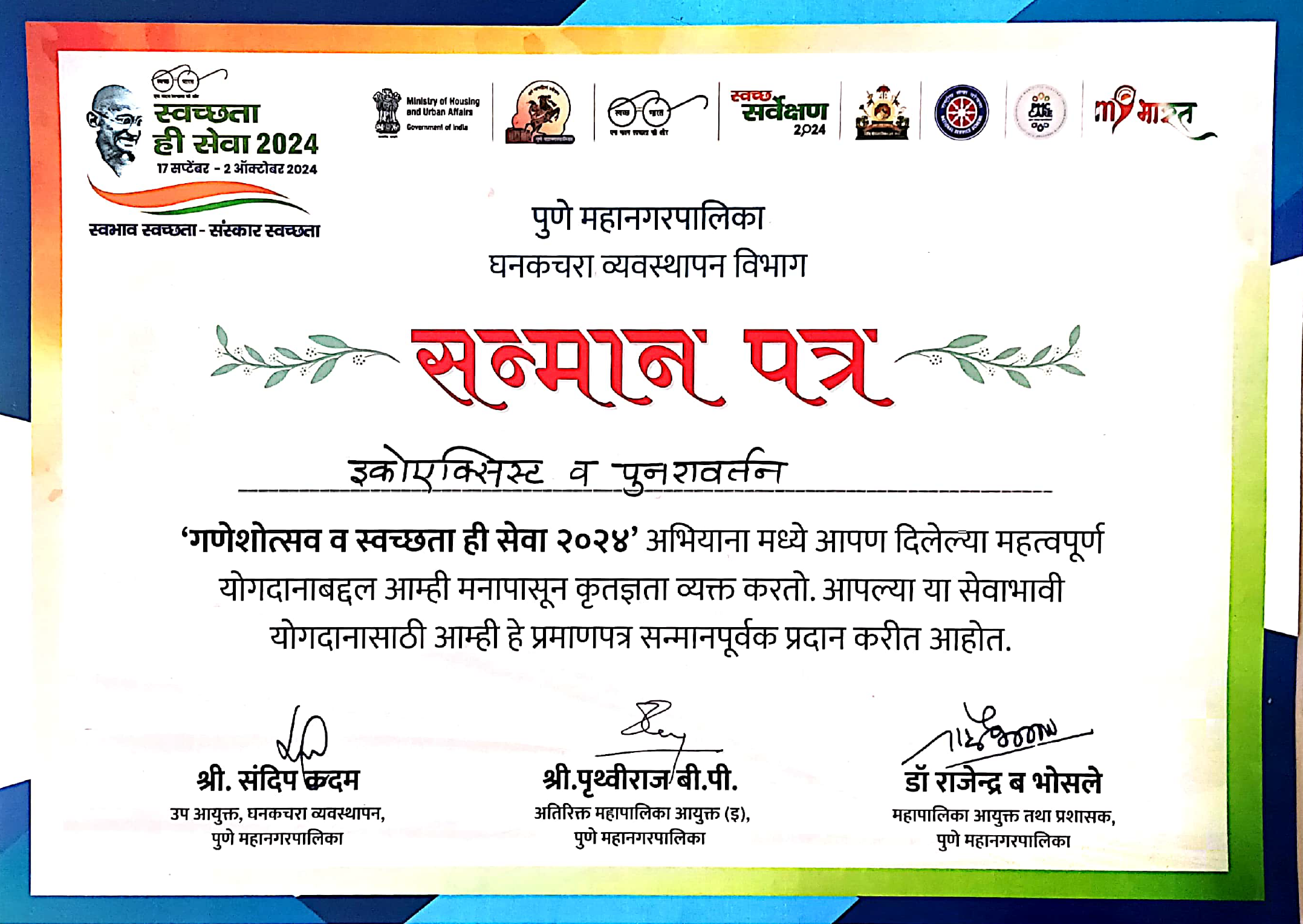
- PMC certificate 2024
Press Coverage
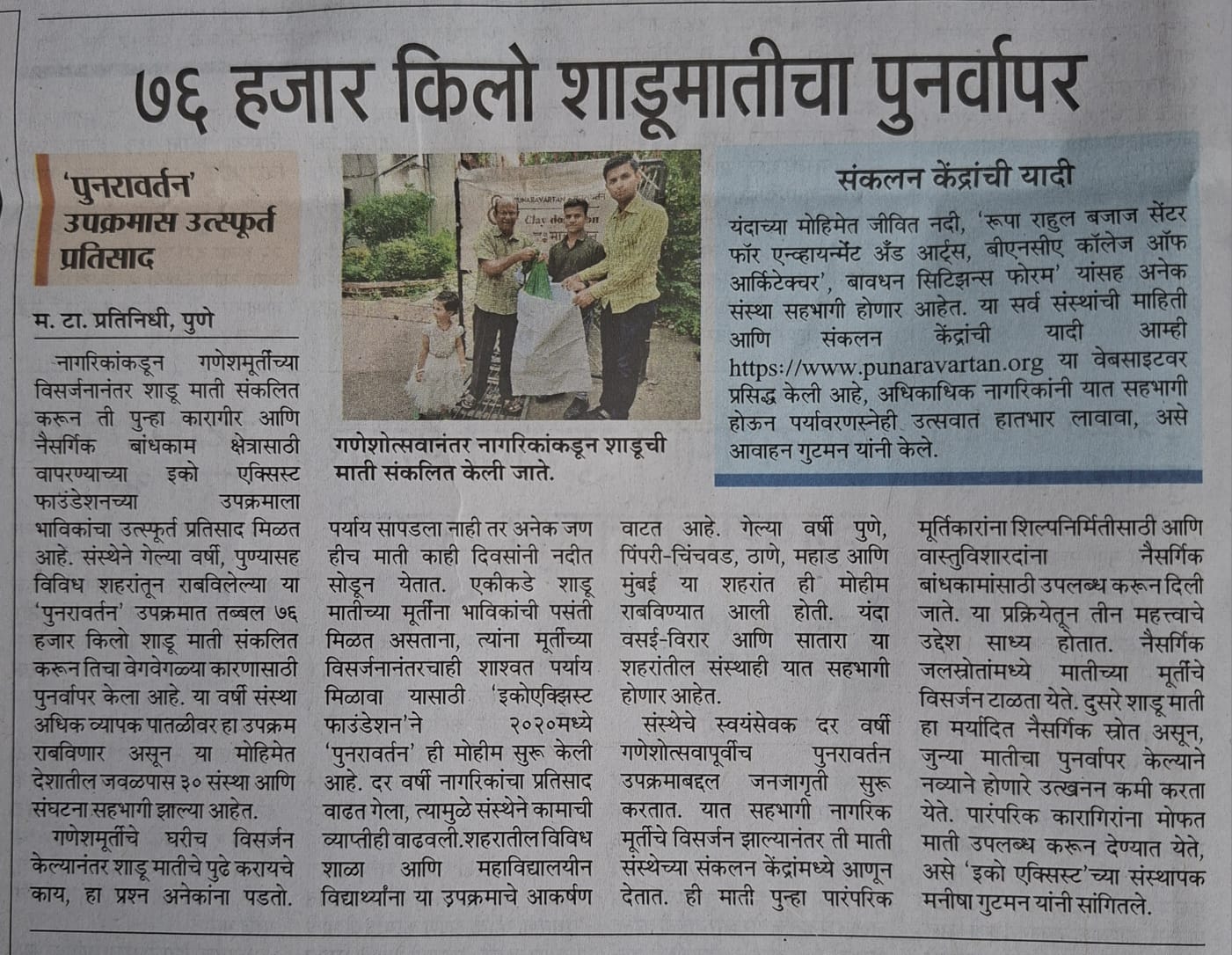
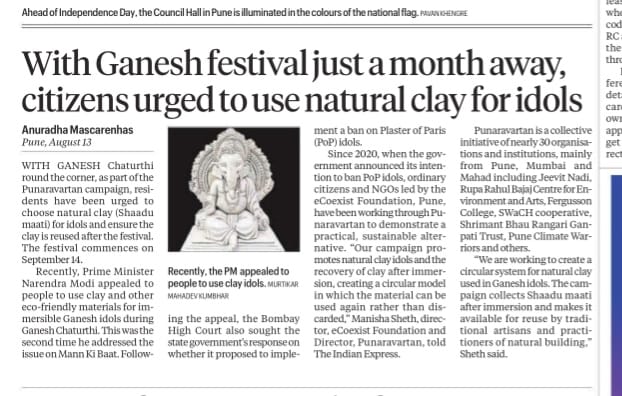
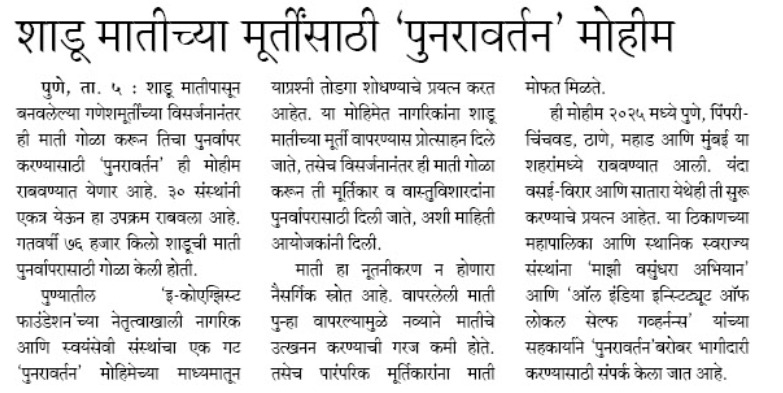
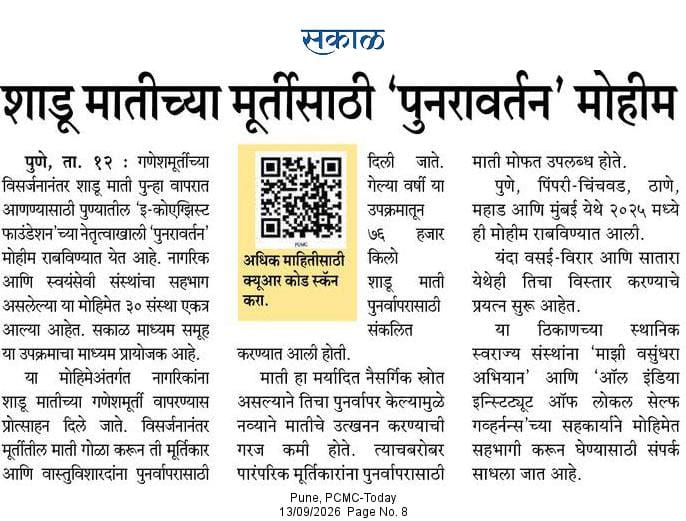
Press Link
Times of India
Pune residents show the eco-friendly way with shadu clay idol donations, reusing decorations and composting festival waste
Impact of Idol Immersion
In Pune, the celebration of Ganesh Chaturthi brings with it significant ecological challenges, particularly concerning idol immersion. Popular immersion sites include the Mula-Mutha River, Katraj Lake, and Pashan Lake. The idols, often made from Plaster of Paris (PoP) and painted with toxic dyes, contribute to water pollution. These materials release harmful chemicals such as lead, aluminum, and chromium into the water, damaging aquatic ecosystems.
The aftermath of immersions sees broken idols, plastic, and other offerings littering the water bodies and their surroundings. This pollution harms marine life, with toxic substances affecting fish and other aquatic organisms. Efforts to promote eco-friendly practices, such as using artificial tanks for immersions, are underway but require more robust implementation and public participation to mitigate the environmental impact effectively
Material
In Pune, Ganesh idols are traditionally made from a variety of materials, each chosen based on cultural preferences, environmental considerations, and artistic styles. The most traditional and eco-friendly material is clay, specifically Shadu Mati, a natural clay found in riverbeds that dissolves easily in water, making it ideal for environmentally friendly immersions. Another commonly used material is Plaster of Paris (POP), favored for its ease of molding and finishing, although it poses environmental challenges as it does not dissolve easily in water. Paper mache is gaining popularity due to its eco-friendly nature, being lightweight and biodegradable. Additionally, some artisans use natural fibers and plant-based materials such as coir and jute, which are biodegradable and aesthetically unique. There is also a growing trend towards using recyclable materials like recycled paper and cardboard, reflecting a shift towards more sustainable practices. The choice of material often depends on the preferences of the devotees, cost considerations, and the desire to minimize environmental impact, with many in Pune now opting for eco-friendly alternatives to reduce the ecological footprint of Ganesh Chaturthi celebrations.
Government Action
The Pune Municipal Corporation (PMC) took decisive action to ensure an eco-friendly Ganesh festival, urging citizens to avoid purchasing Plaster of Paris (POP) idols, which are banned by the government. In a recent order, the PMC directed craftsmen, artisans, and manufacturers to use only natural, biodegradable, and eco-friendly materials like traditional clay and mud for making idols.
The order prohibited the use of POP, plastic, and thermocol in idol-making and encouraged using dried flower components, straw, and natural tree resins for ornaments. The Central Pollution Control Board (CPCB) guidelines were reiterated, emphasizing eco-friendly, water-based, biodegradable, and non-toxic natural dyes for coloring idols. The use of toxic chemical dyes, oil paints, enamel, and synthetic dyes was strictly prohibited, recommending natural materials and dyes for decorative clothes instead.
Dr. Kunal Khemnar, additional commissioner of PMC, stressed the importance of an eco-friendly approach to idol-making for environmental protection and urged citizens to support the initiative by buying from craftsmen following pollution guidelines.
Where does Immersion take place?
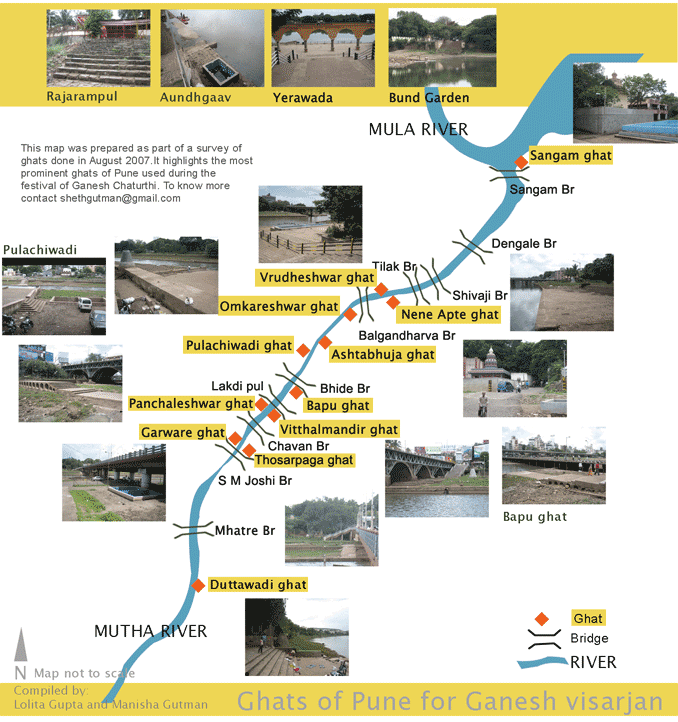
In Pune, idol immersion predominantly occurs at several key natural water bodies and designated artificial immersion sites. The Mula-Mutha River is a major location for these activities, with popular spots including Sangamwadi, Deccan, Vithalwadi, Garware Bridge, and Bhide Bridge. Additionally, lakes such as Katraj Lake and Pashan Lake are commonly used for idol immersion ceremonies. To promote eco-friendly practices, the Pune Municipal Corporation (PMC) has established artificial immersion tanks at various locations across the city, providing an alternative to traditional water bodies. These artificial tanks are set up in neighborhoods and major areas to facilitate safe and environmentally conscious idol immersion.
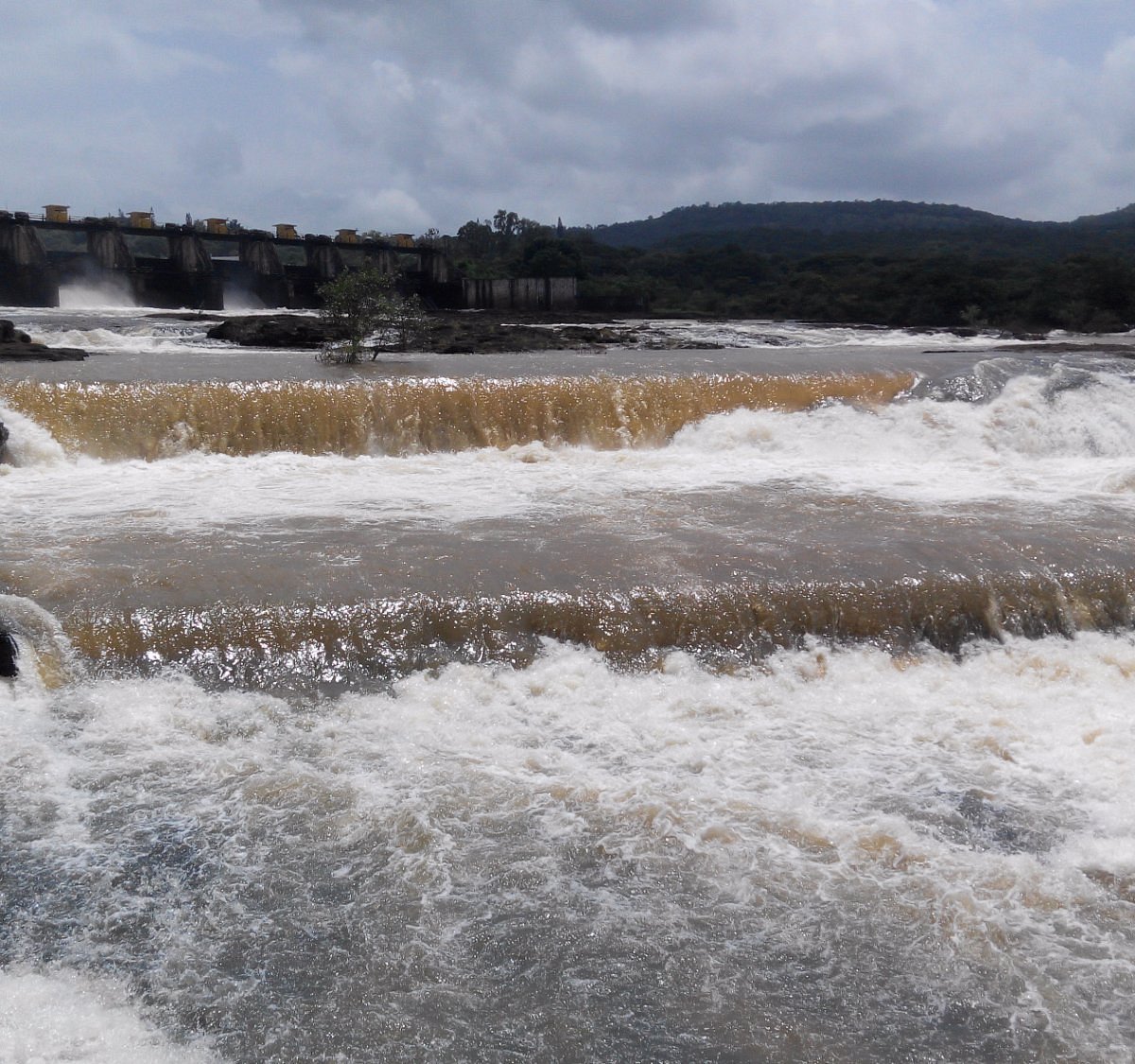
Khadakwasla Dam
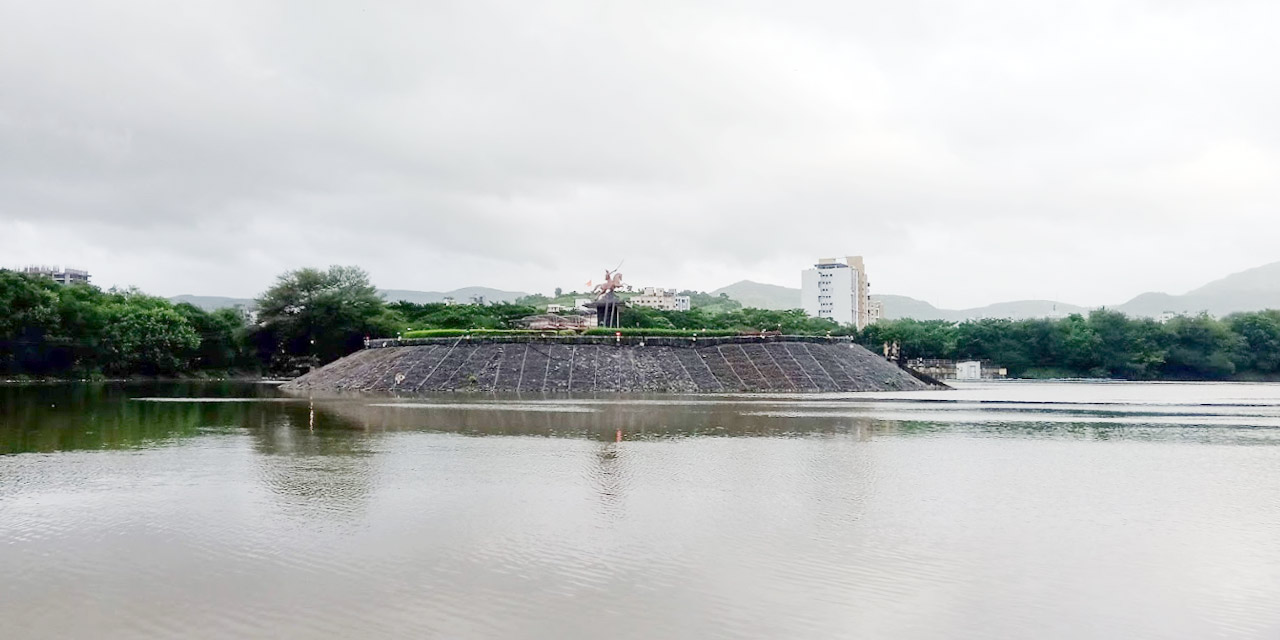
Katraj Lake
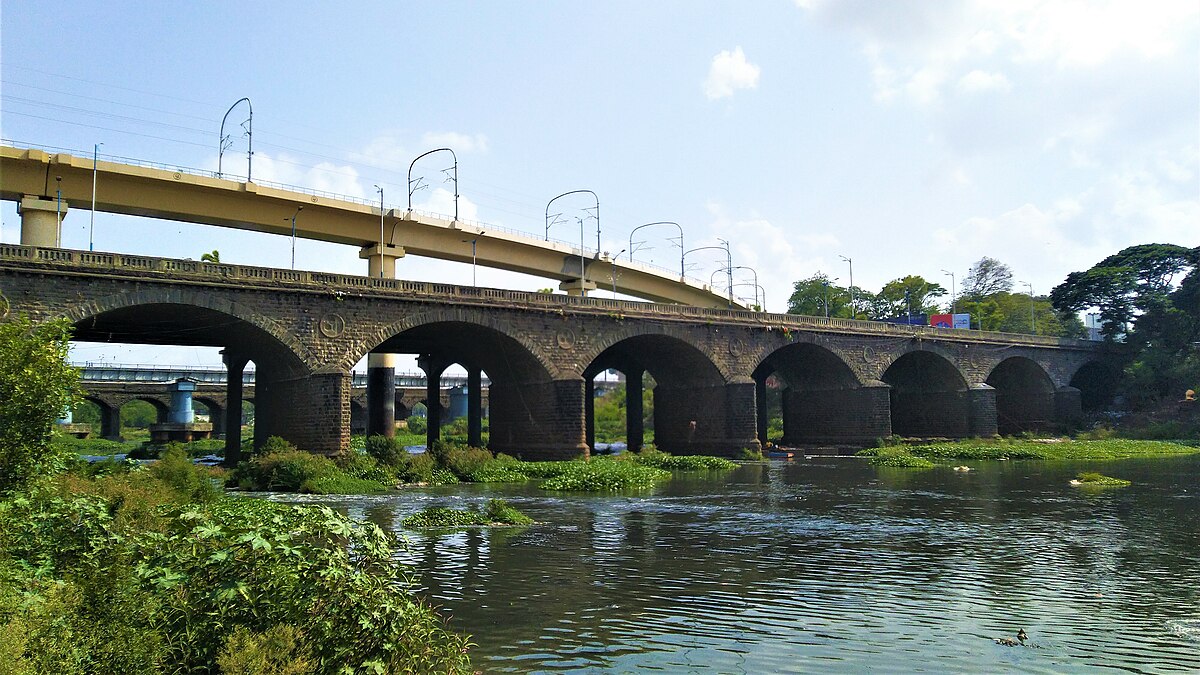
Mula-Mutha River
Join Pune Punaravartan Movement
Whether you want to give clay, take clay for reuse, help collect it, or support the campaign as a volunteer, there’s a place for you in the Punaravartan 2026 movement. Together, let’s shape a more sustainable tomorrow.