
Thane


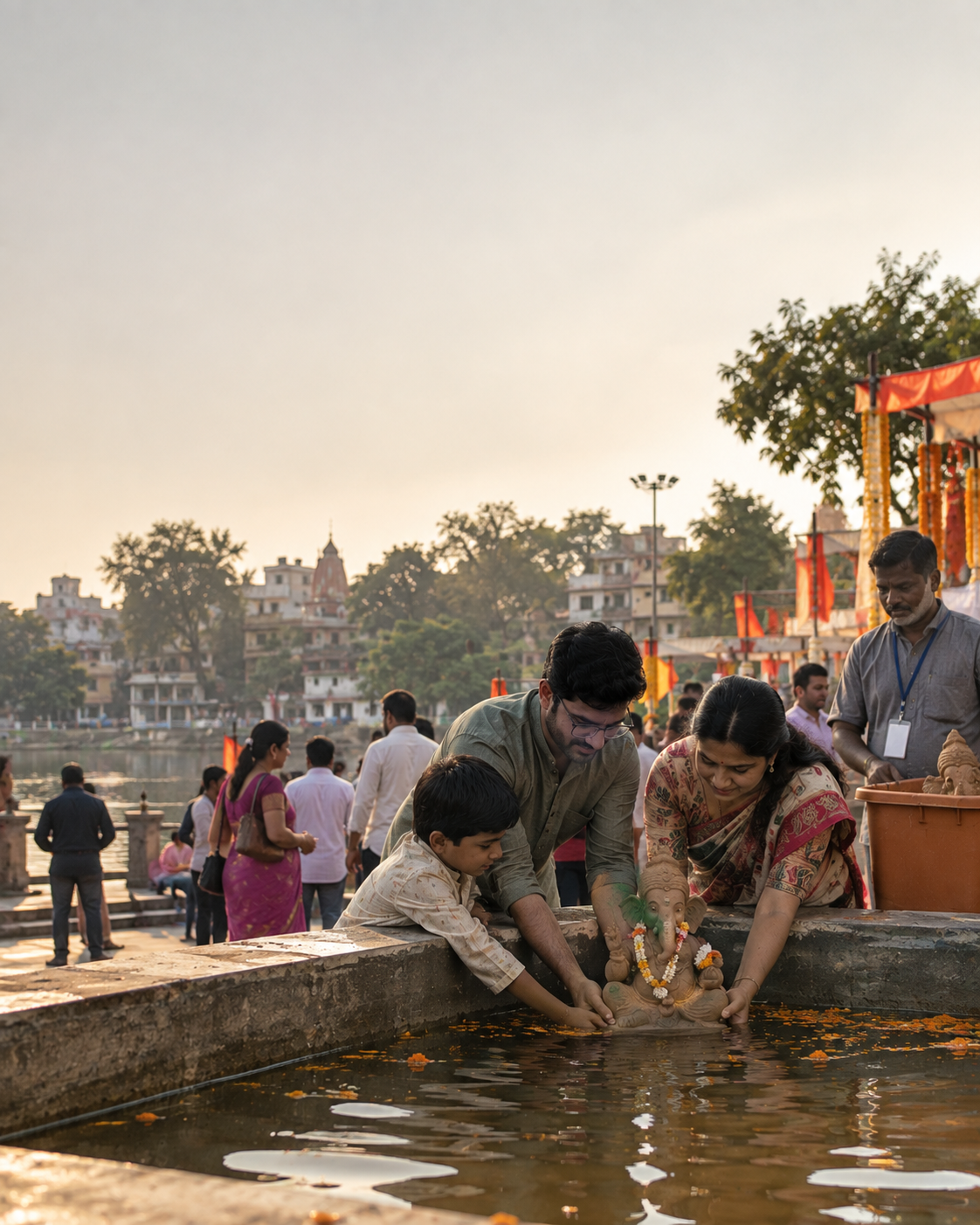
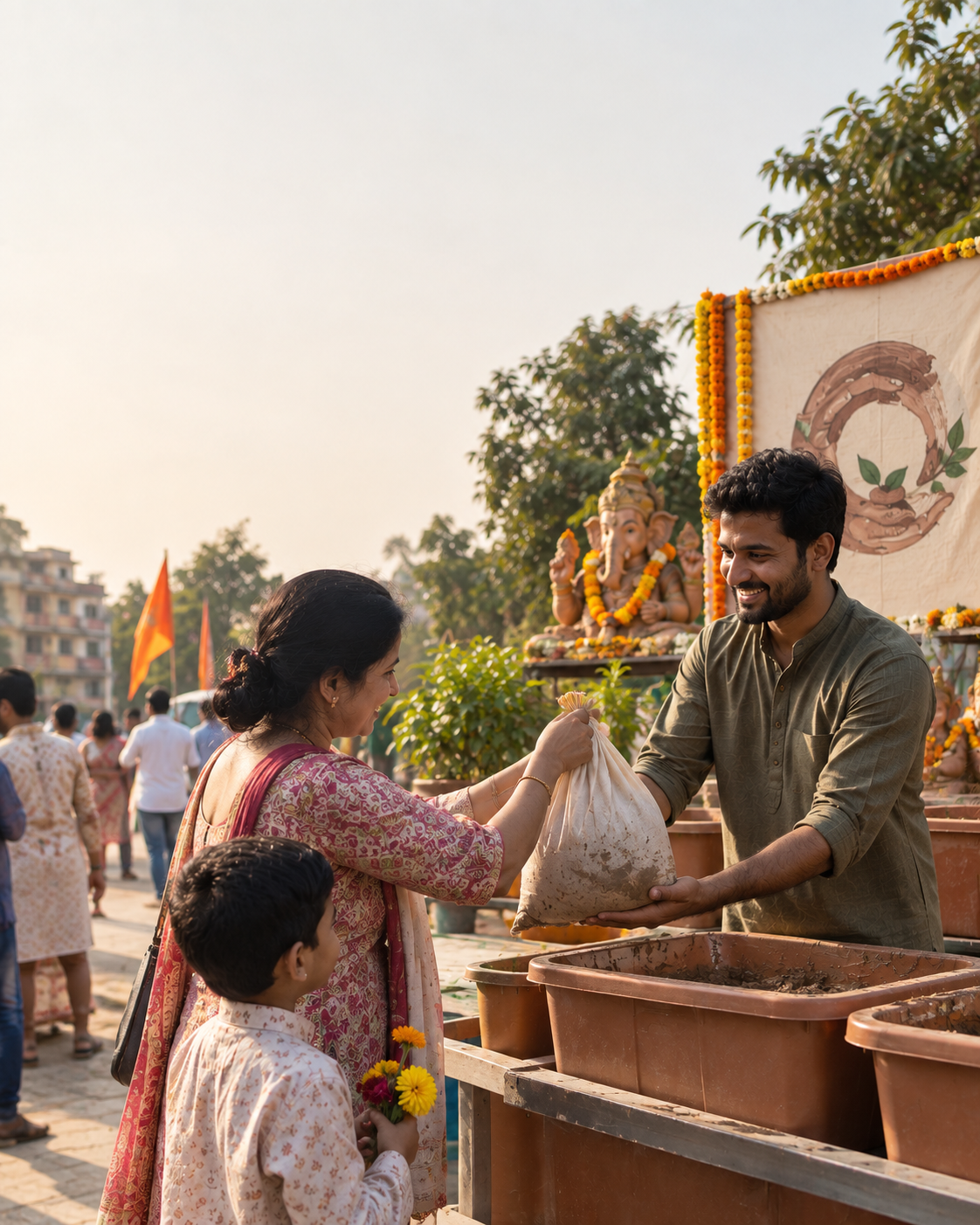
There are 2 ways in which you can return the clay to us.
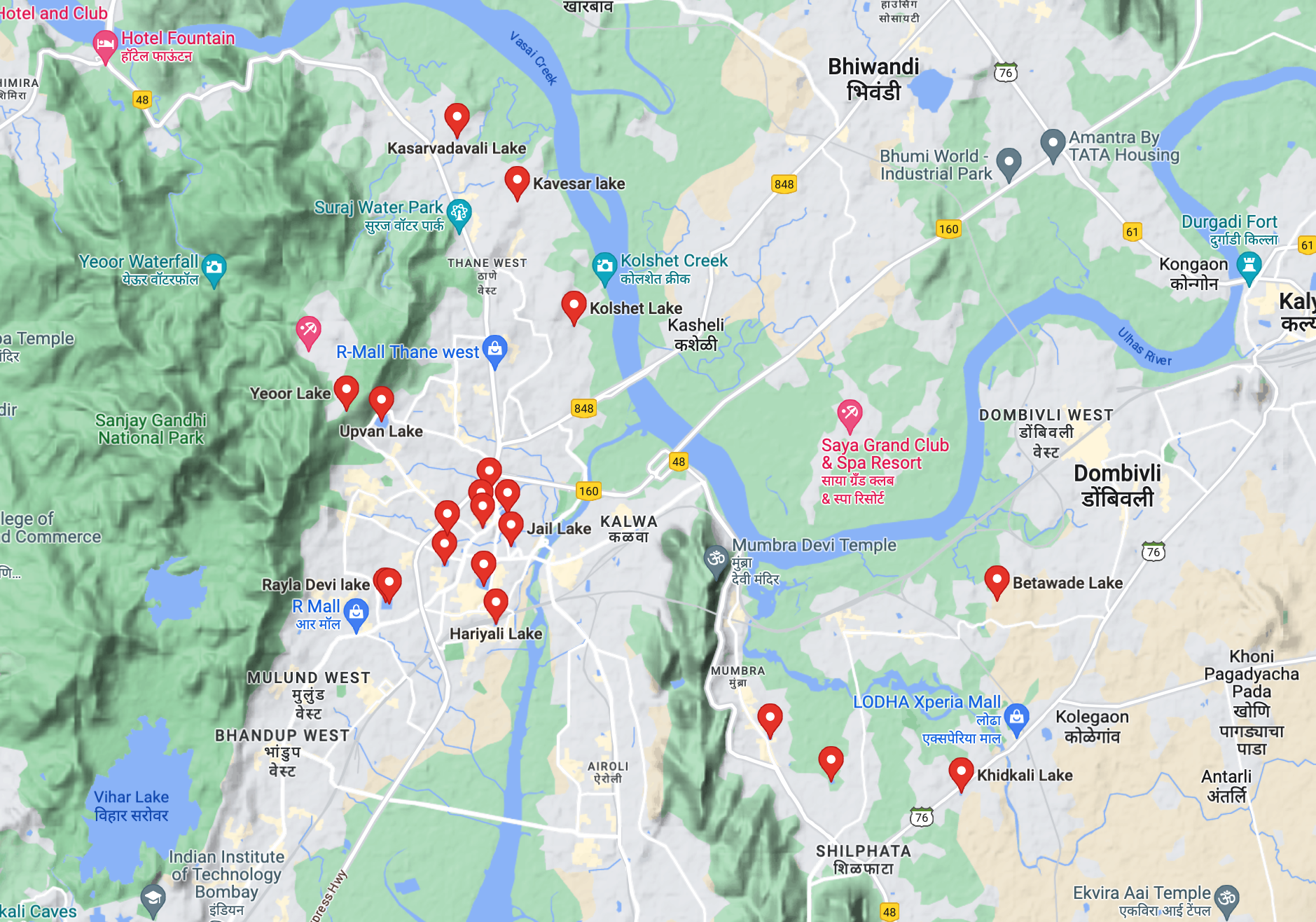
Map Of Home Immersion Collection Centers
Note: We collect only eco-friendly clay at the Home Immersion Centres. Plaster of Paris (POP) idols will not be accepted.
Click on a Collection Centre icon in the sidebar or on the map to view the coordinator’s details and contact information.
Map of Public Immersion Location
Click on a Collection Centre icon in the sidebar or on the map to view the coordinator’s details and contact information.
Clay collected in Thane in the past few years
20.75 tonne
5.5 tonne
11 tonne
3.5 tonne
750 kgs
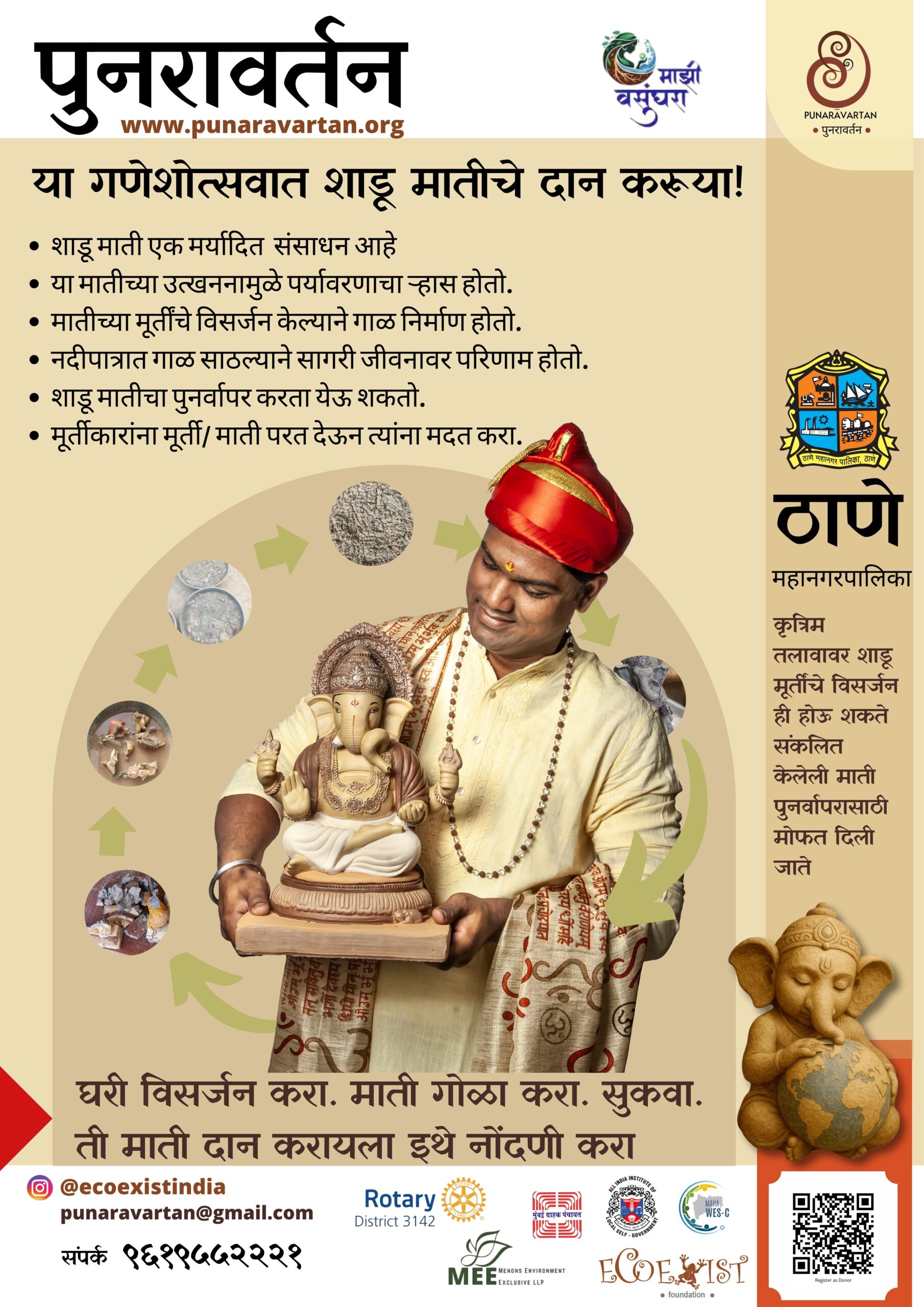
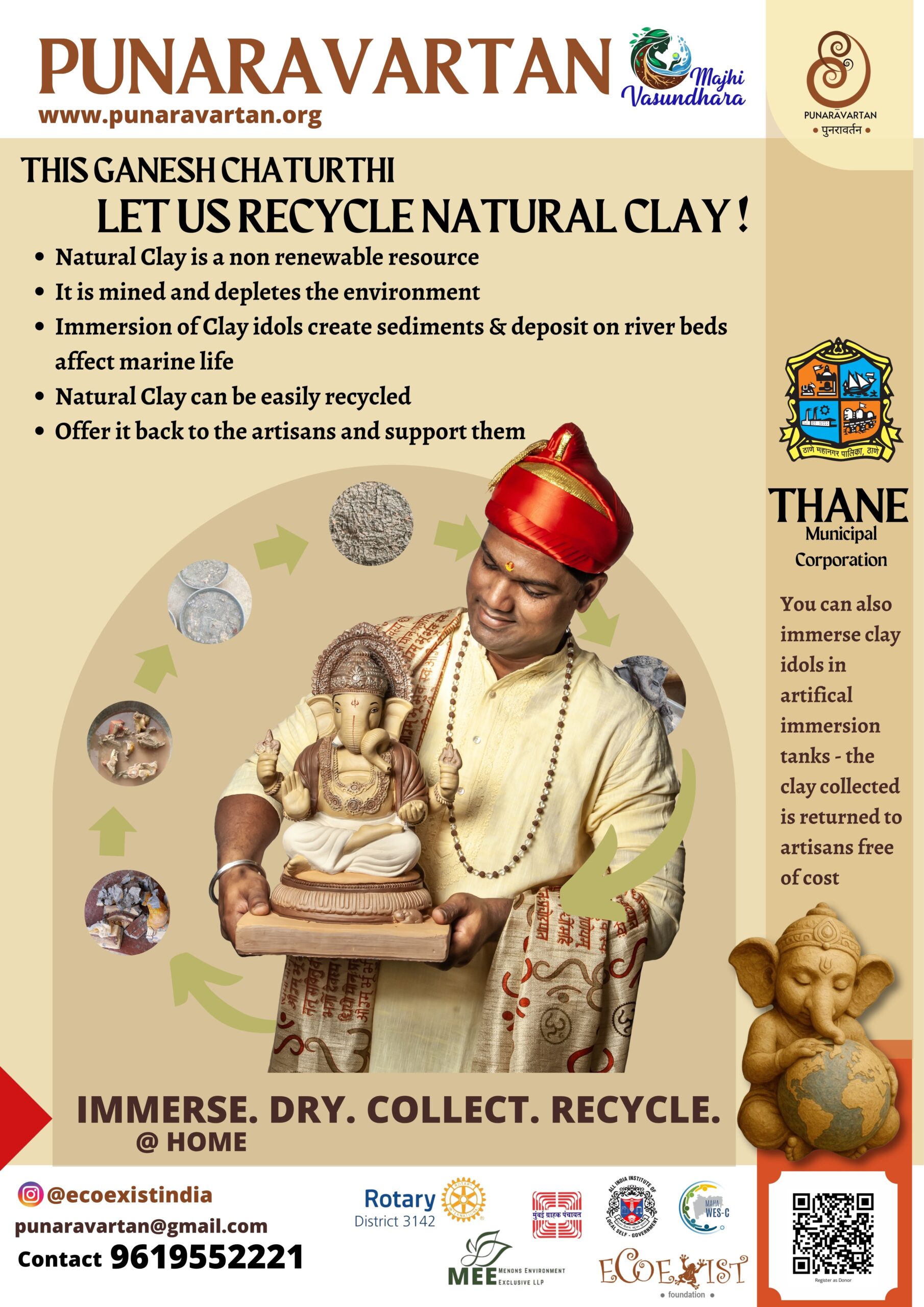
Punaravartan Posters
Campaign Activities
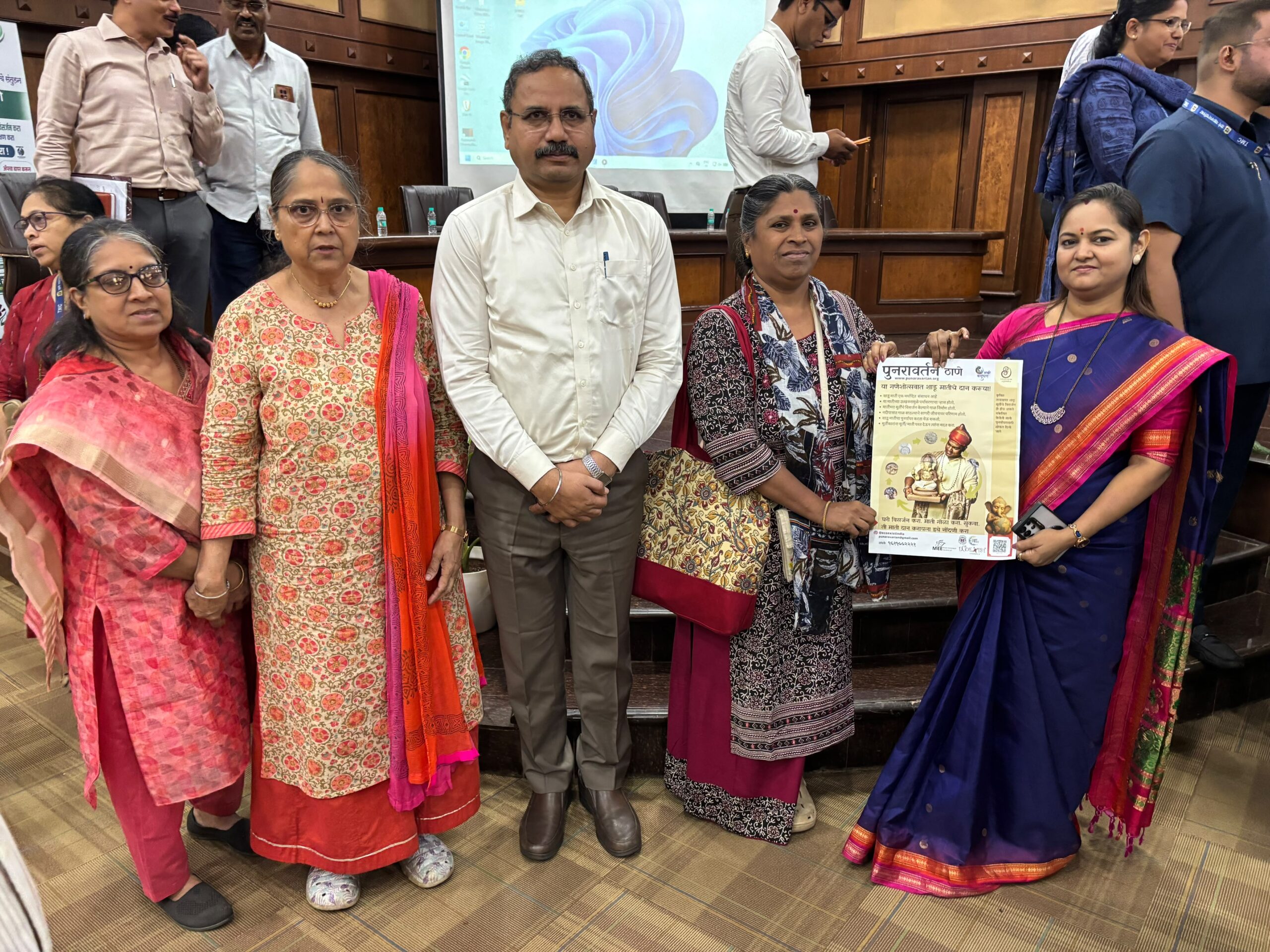
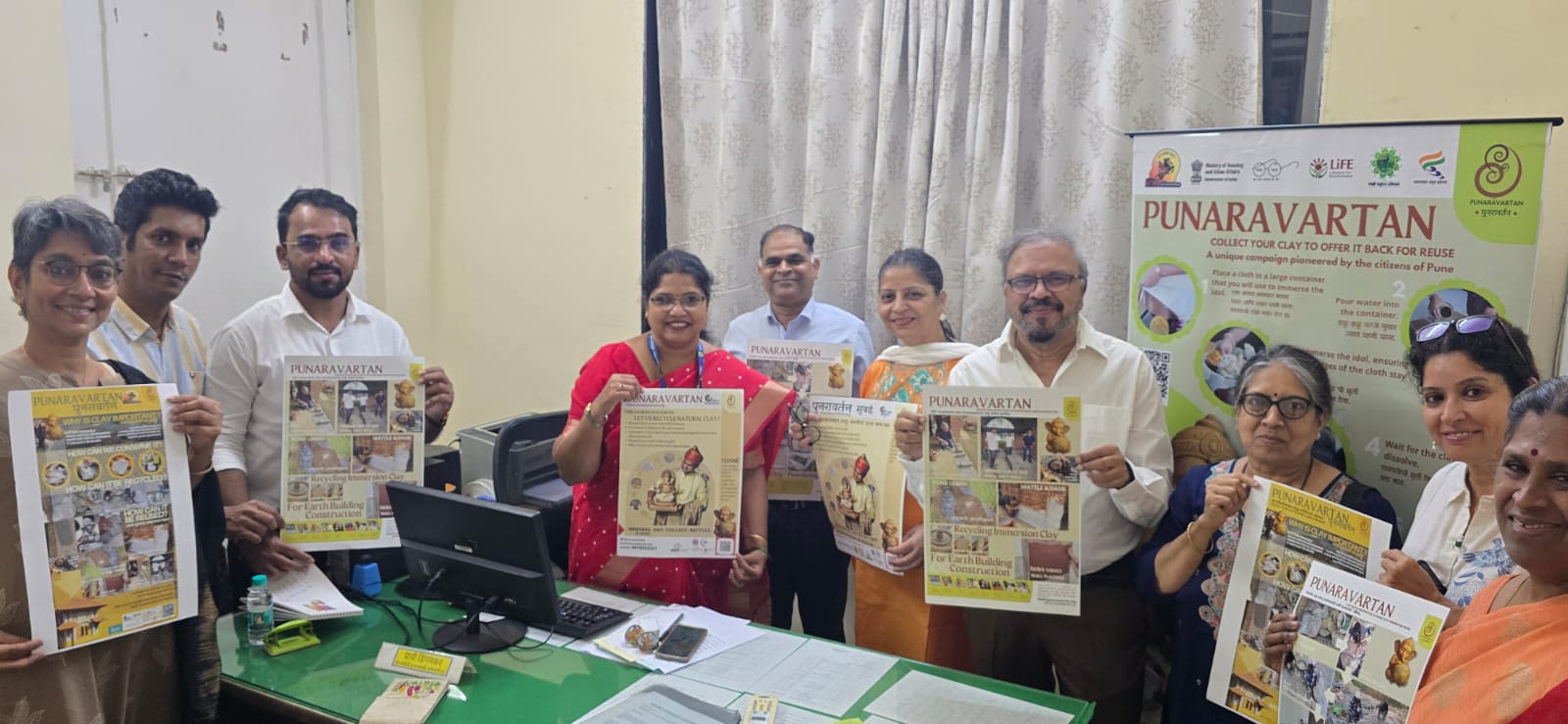
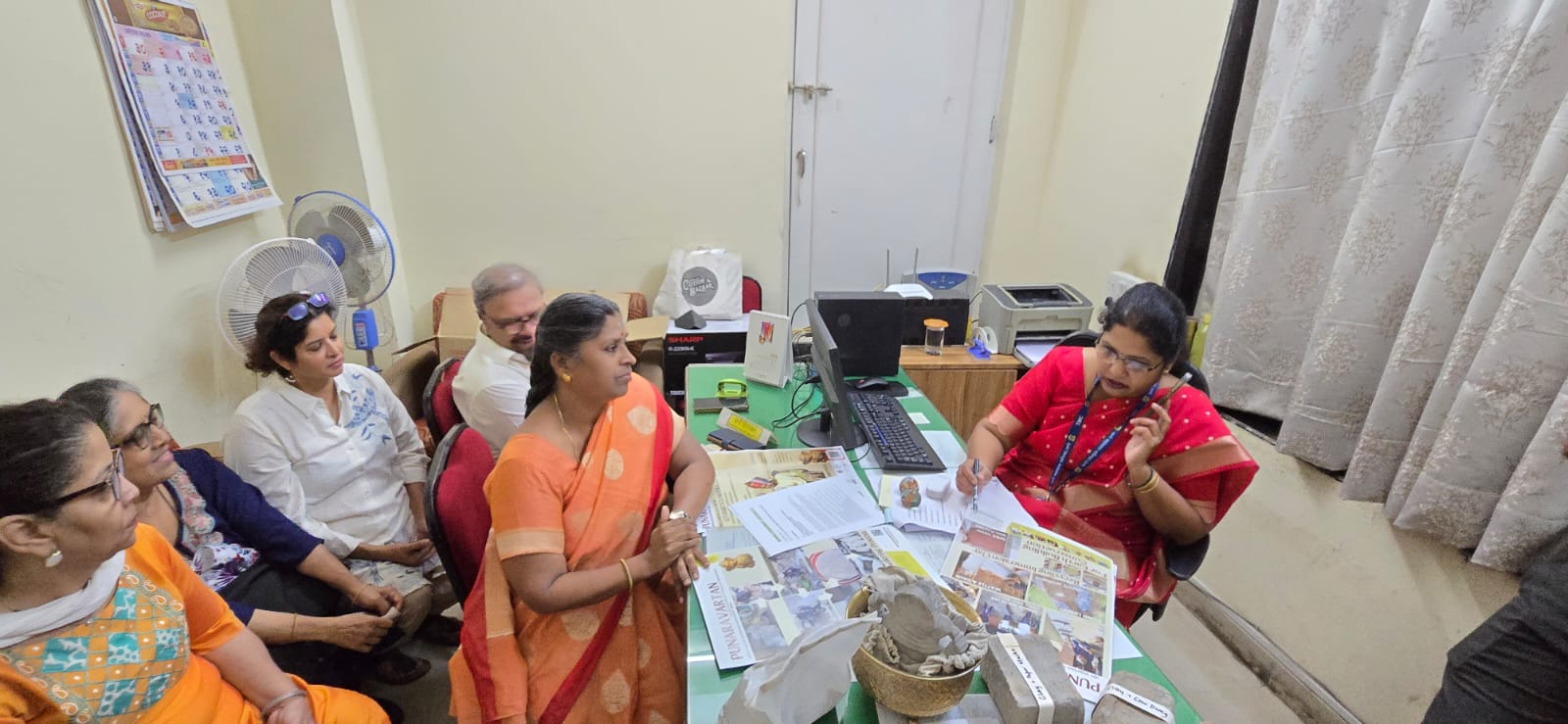
Campaign Partners


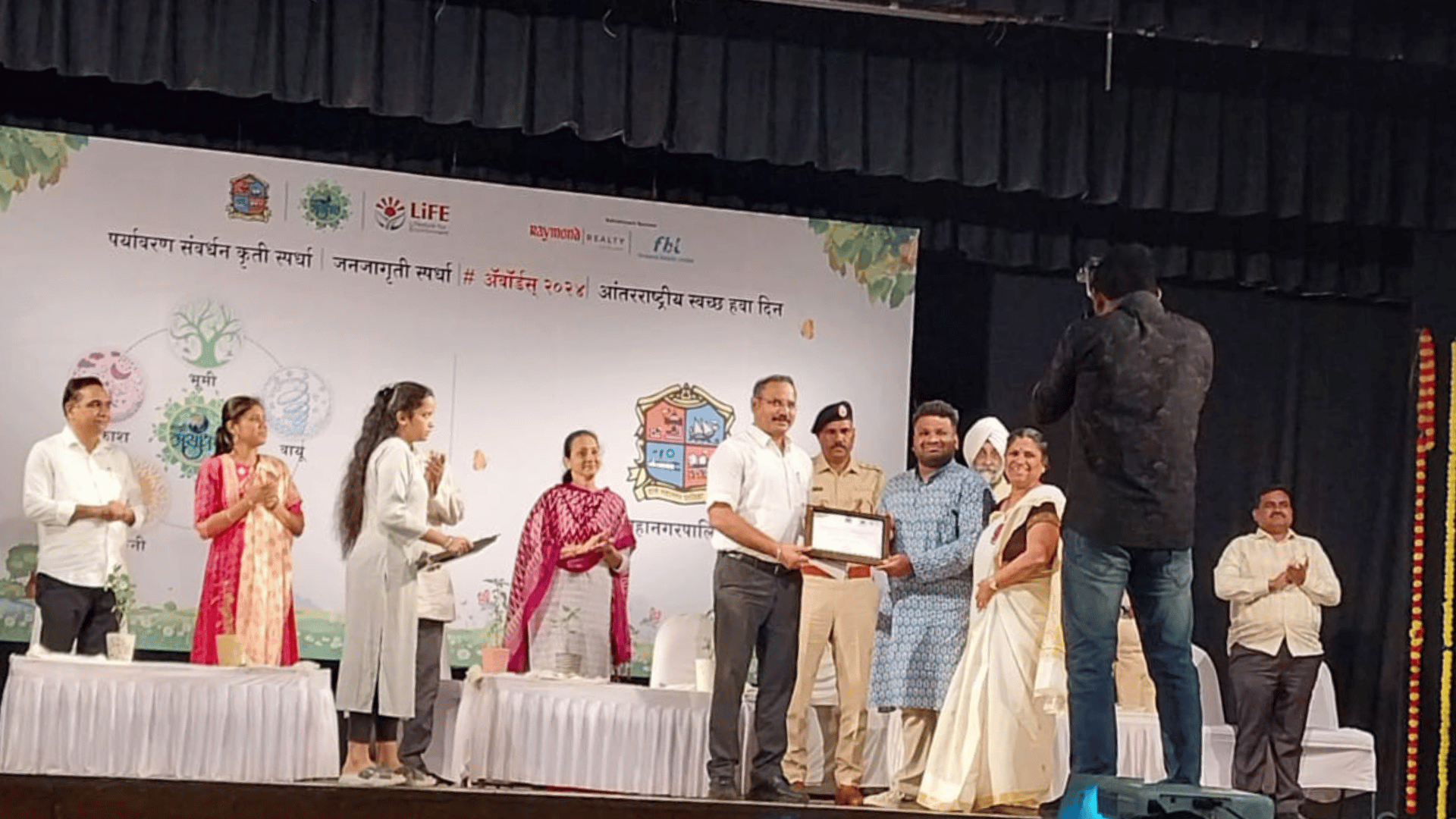
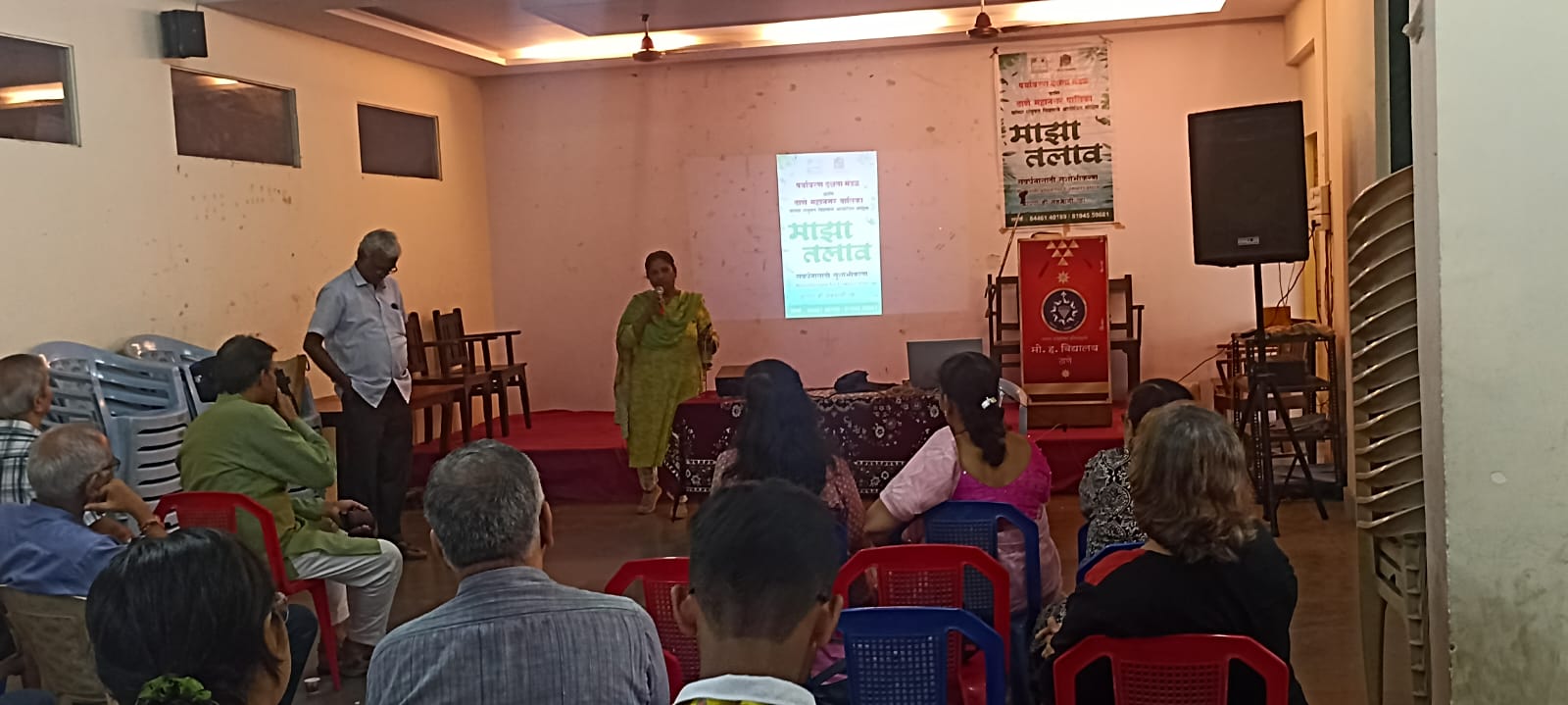
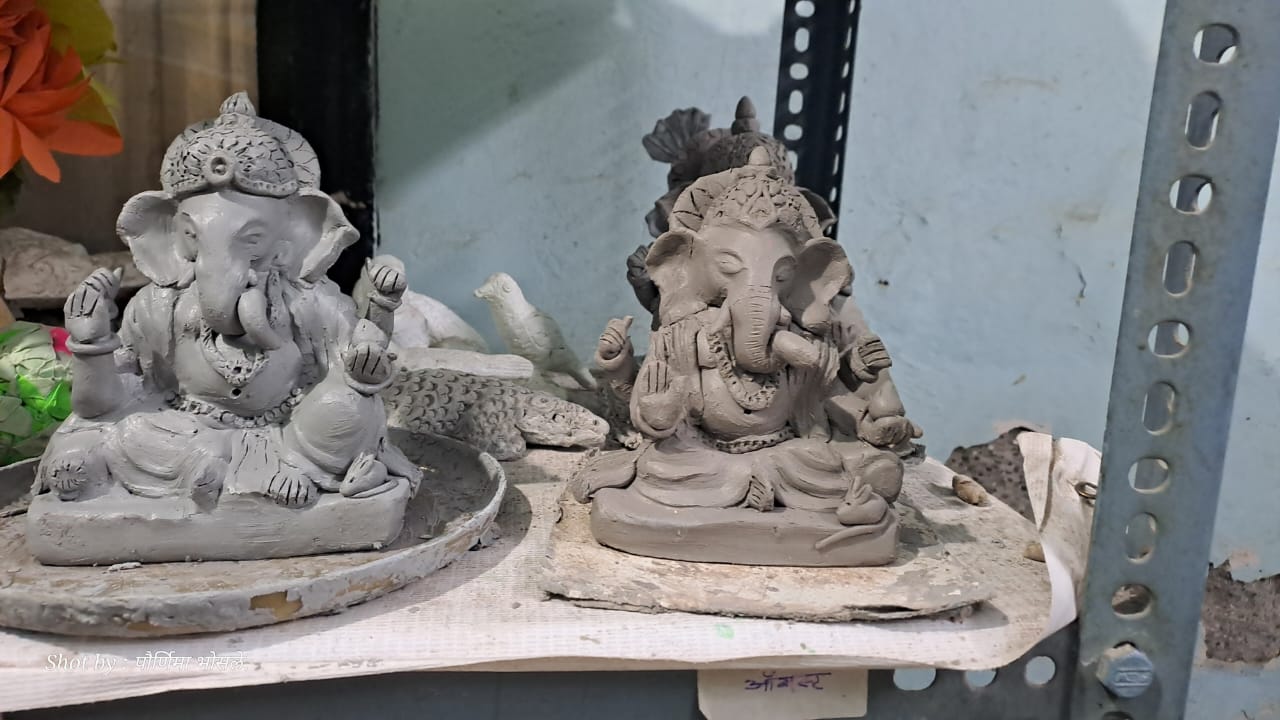
Glimpses from past campaigns
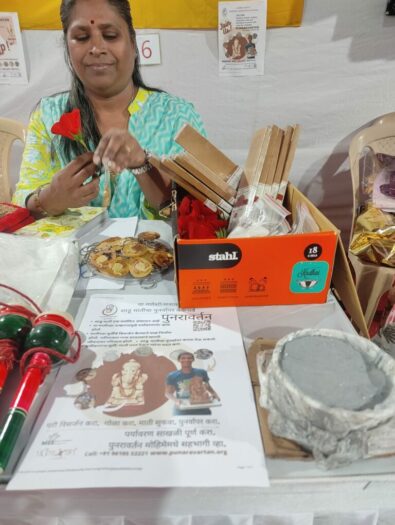
Past Press Coverage
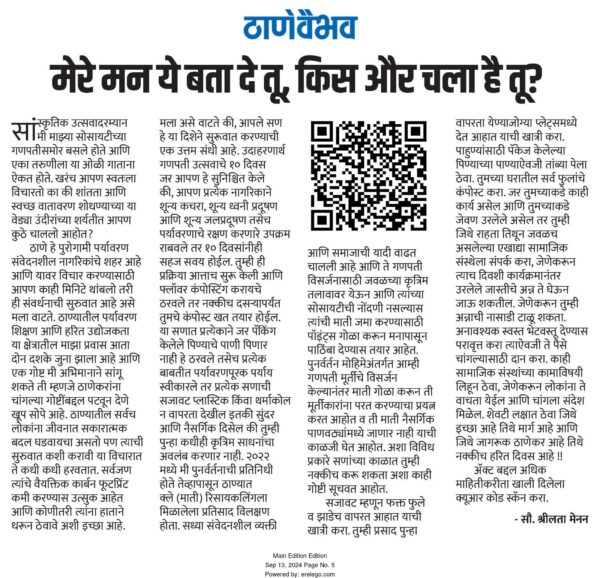
Thane Creek
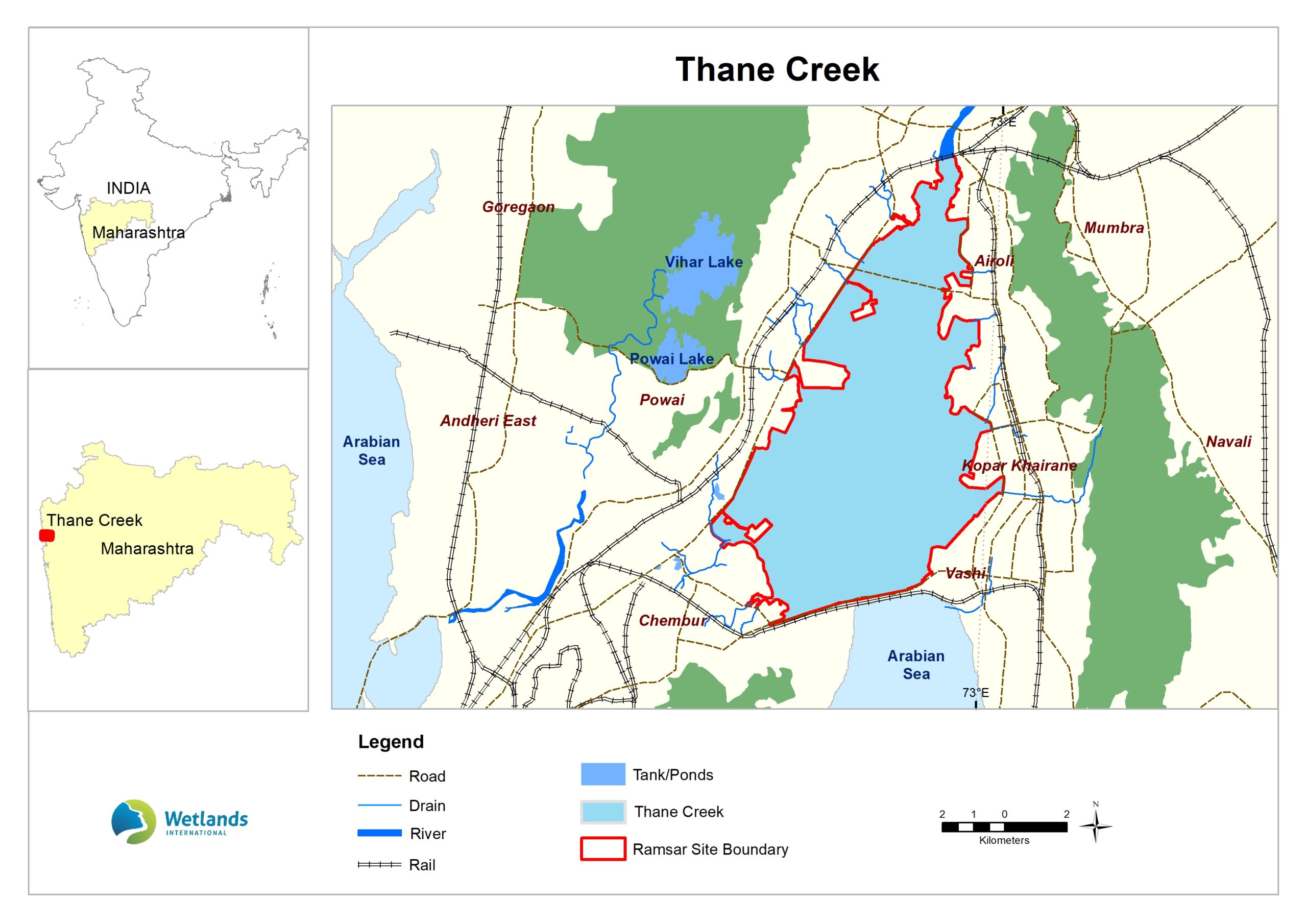
The wetland of most significance in Thane is the Thane Creek – it is a sanctuary for flamingoes and other important bird species. It features on the list of Important Bird and Biodiversity Areas (IBAs). Its mangrove forests provide nurseries for several fish species, and it also acts as a natural buffer against floods, cyclones and sea water intrusions. It has a rich biodiversity and is one o fthe largest creeks of Asia.
Read more on the Ramsar Sites Information Service
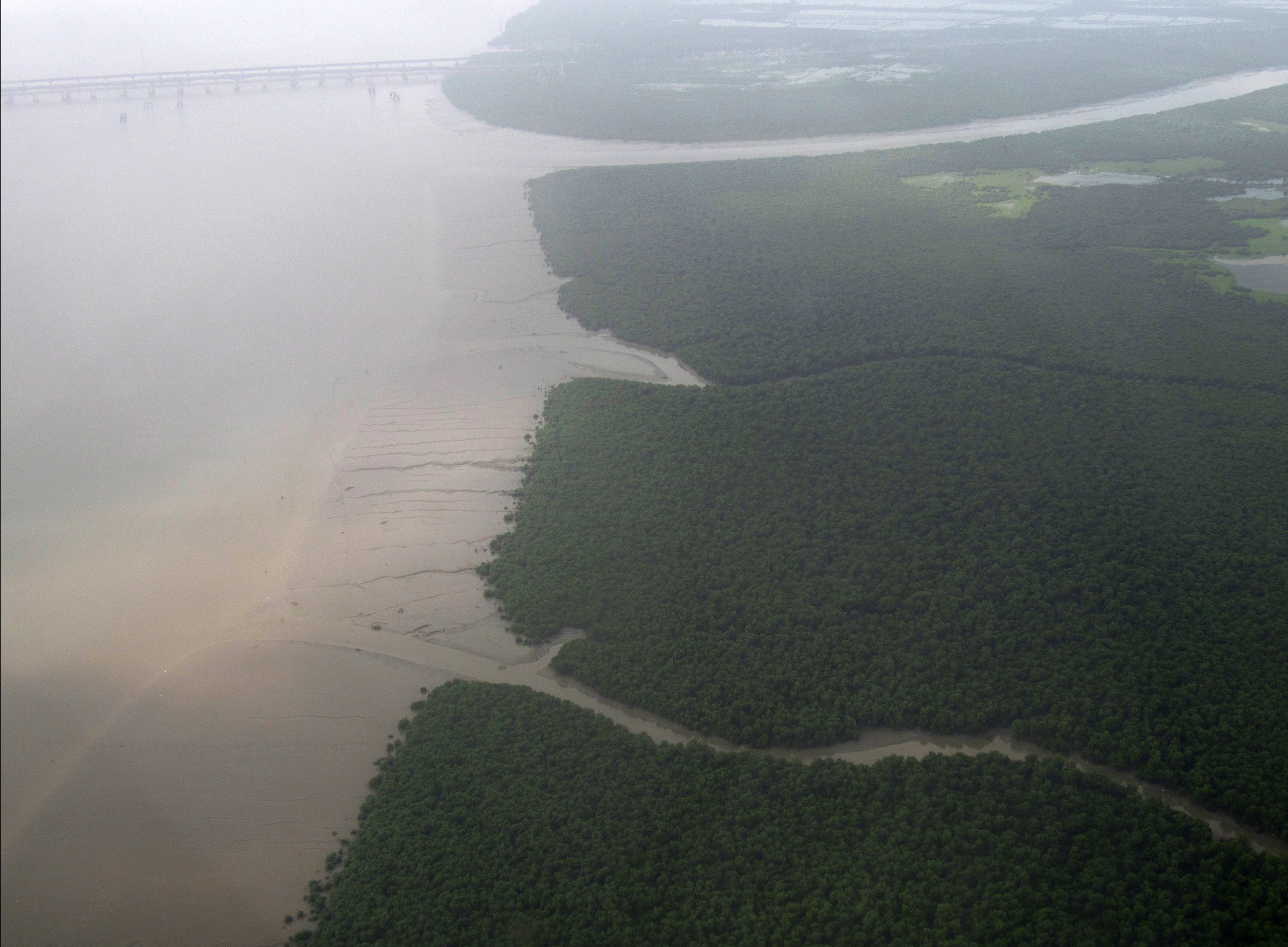
The Thane Creek becomes a dumping site for immersion water and waste from the Ganesh festival – see article below.
Lakes of Thane
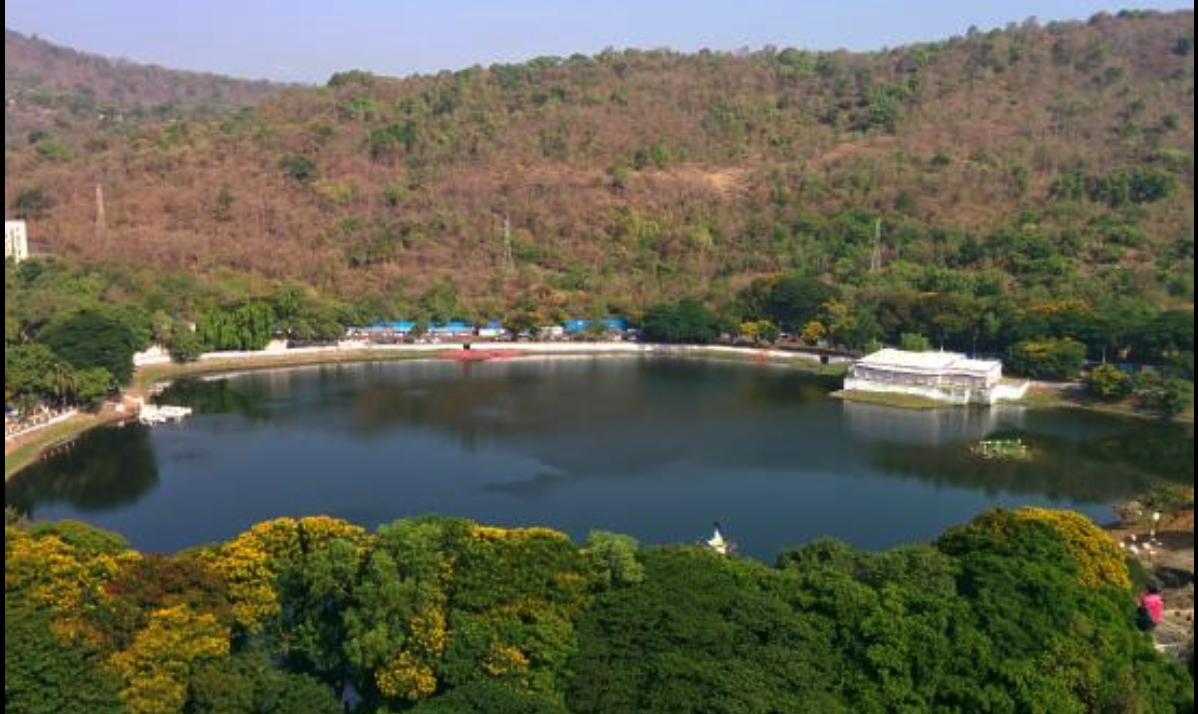
Thane also hosts several lakes of which the Masunda lake and the Upvan Lake are the largest. Nearly 35 lakes – small and large – exist in this city and become destinations for Ganesh immersion.
To protect these water bodies from pollutions the Thane Municipal Corporation has been constructing temporary immersion tanks however the manner of disposal of the material collected in these immersion tanks is still unclear.
Material Used
In Thane, the materials used to craft Ganesh idols reflect a blend of tradition and environmental awareness. Plaster of Paris (PoP) remains widely used due to its affordability and the fine detailing it allows in idol creation. However, PoP’s inability to dissolve easily in water poses significant environmental concerns during idol immersion. In response, there has been a growing shift towards more sustainable materials. Natural clay, known as Shadu clay, is increasingly popular for its eco-friendly properties, as it dissolves completely in water and minimizes pollution. Additionally, paper mache idols, made from paper pulp and natural adhesives, offer a biodegradable and lightweight alternative. Some artisans in Thane are also exploring innovative materials such as cow dung, coconut coir, and natural plant-based dyes to create environmentally friendly idols. This movement towards using eco-friendly materials underscores a broader commitment within the community to protect the environment while preserving the cultural and religious significance of Ganesh Chaturt
Government Action
Ahead of the immersion of Lord Ganesha on Anant Chaturdashi, environmental activist Rohit Joshi from Thane’s Wetland Committee has alleged that the new government has lifted the ban on Plaster of Paris (PoP) Ganesha idols, disregarding regulations. The National Green Tribunal (NGT) issued strict orders to the municipal administration regarding the direct immersion of PoP idols in Thane Bay, which is a protected flamingo sanctuary.
In 2020, the Central Pollution Control Board (CPCB) banned PoP idols to prevent water pollution. The Maharashtra Pollution Control Corporation has directed the Thane Municipal Corporation to submit a compliance report within two weeks, monitoring the measures taken.
The Central Pollution Control Board’s 2020 guidelines mandate the use of natural, biodegradable materials for idol-making. Despite these regulations, Joshi claims the new government has ignored the ban on PoP idols, leading to continued environmental harm. The NGT has ordered strict adherence to the Environment Protection Act and CPCB’s 2020 guidelines on idol immersion.

Join Thane’s Punaravartan Movement
Whether you want to give clay, take clay for reuse, help collect it, or support the campaign as a volunteer, there’s a place for you in the Punaravartan 2026 movement. Together, let’s shape a more sustainable tomorrow.