
Pimpri Chinchwad


Pimpri Chinchwad - 2026 There are 3 ways in which you can return the clay to us.
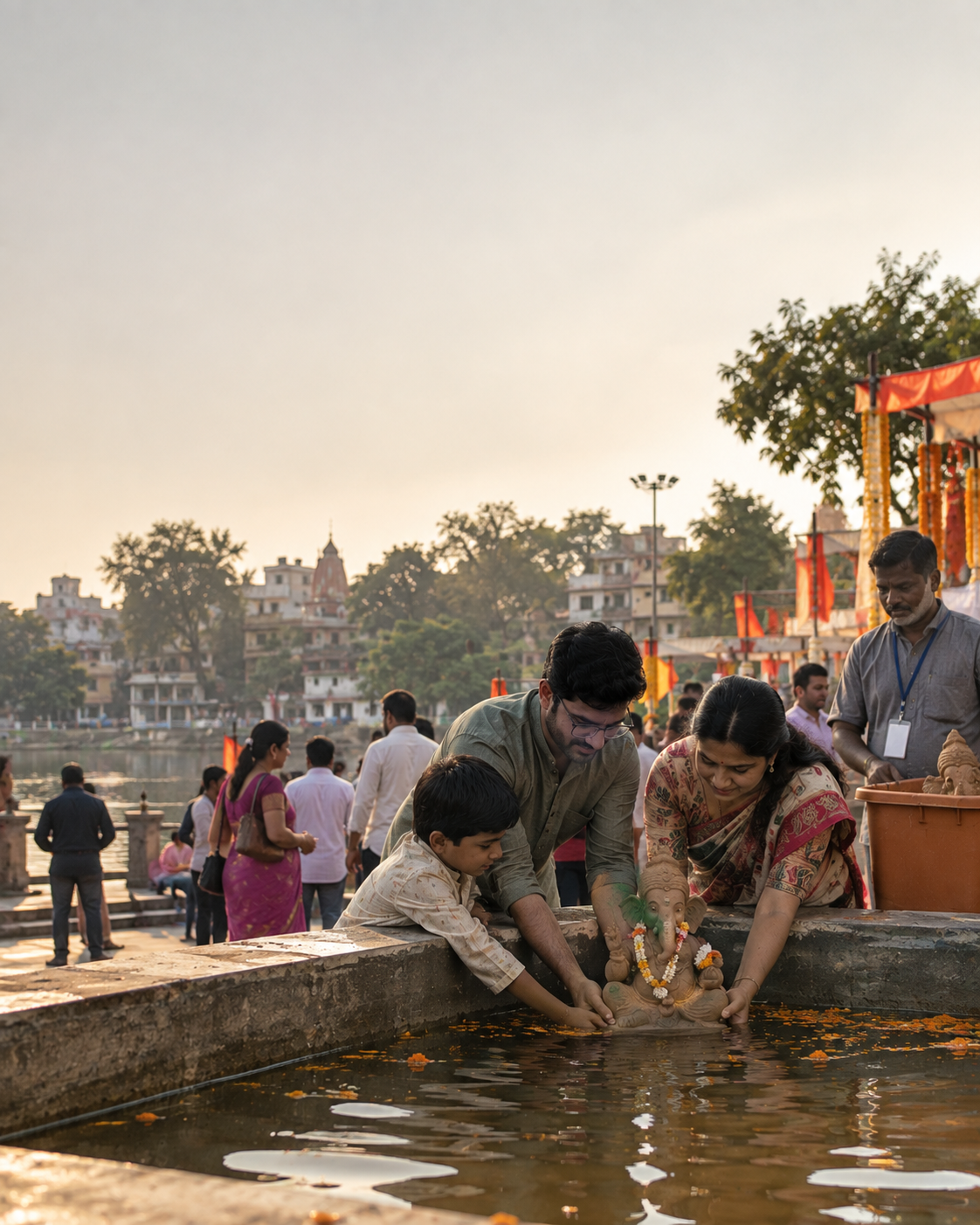
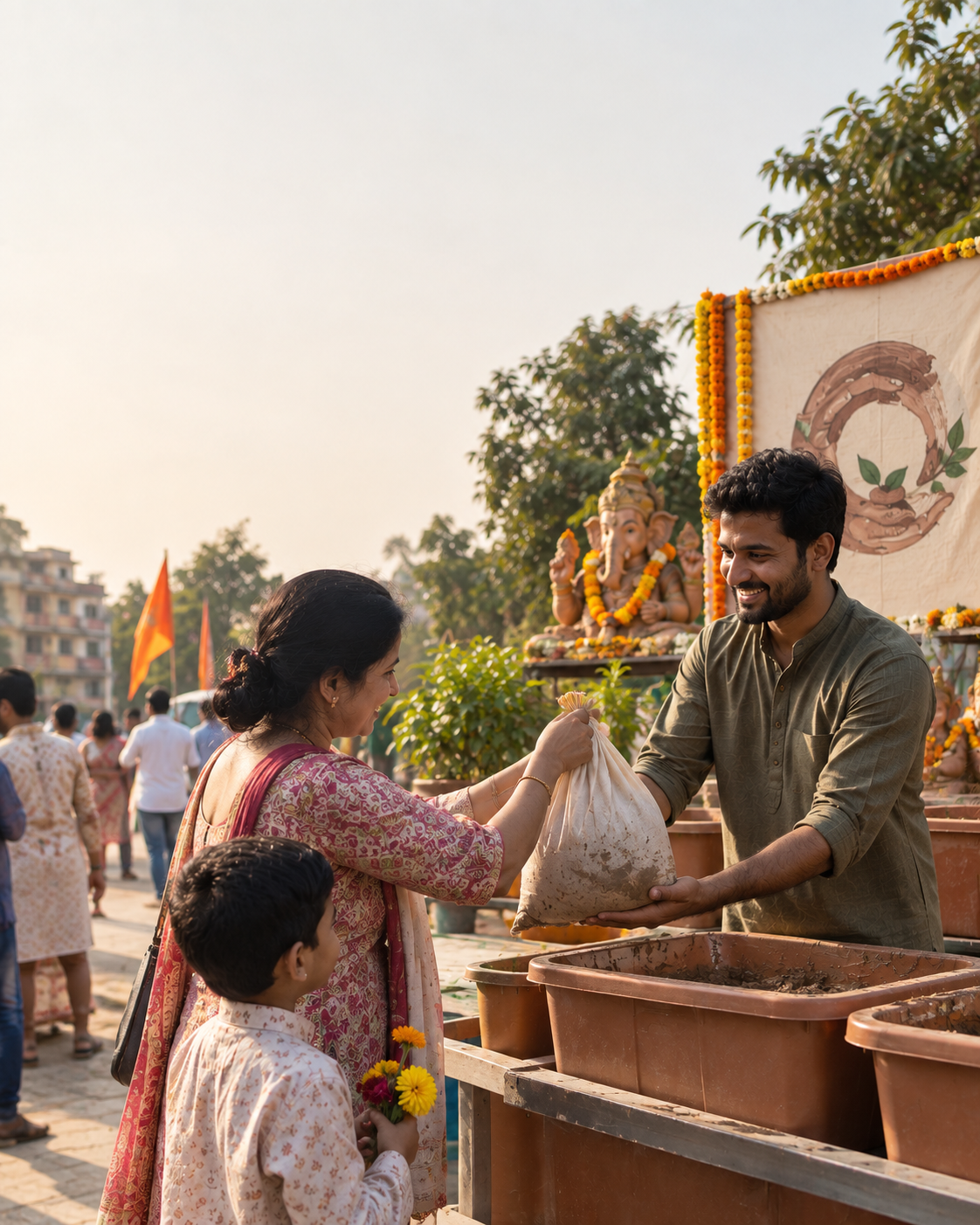
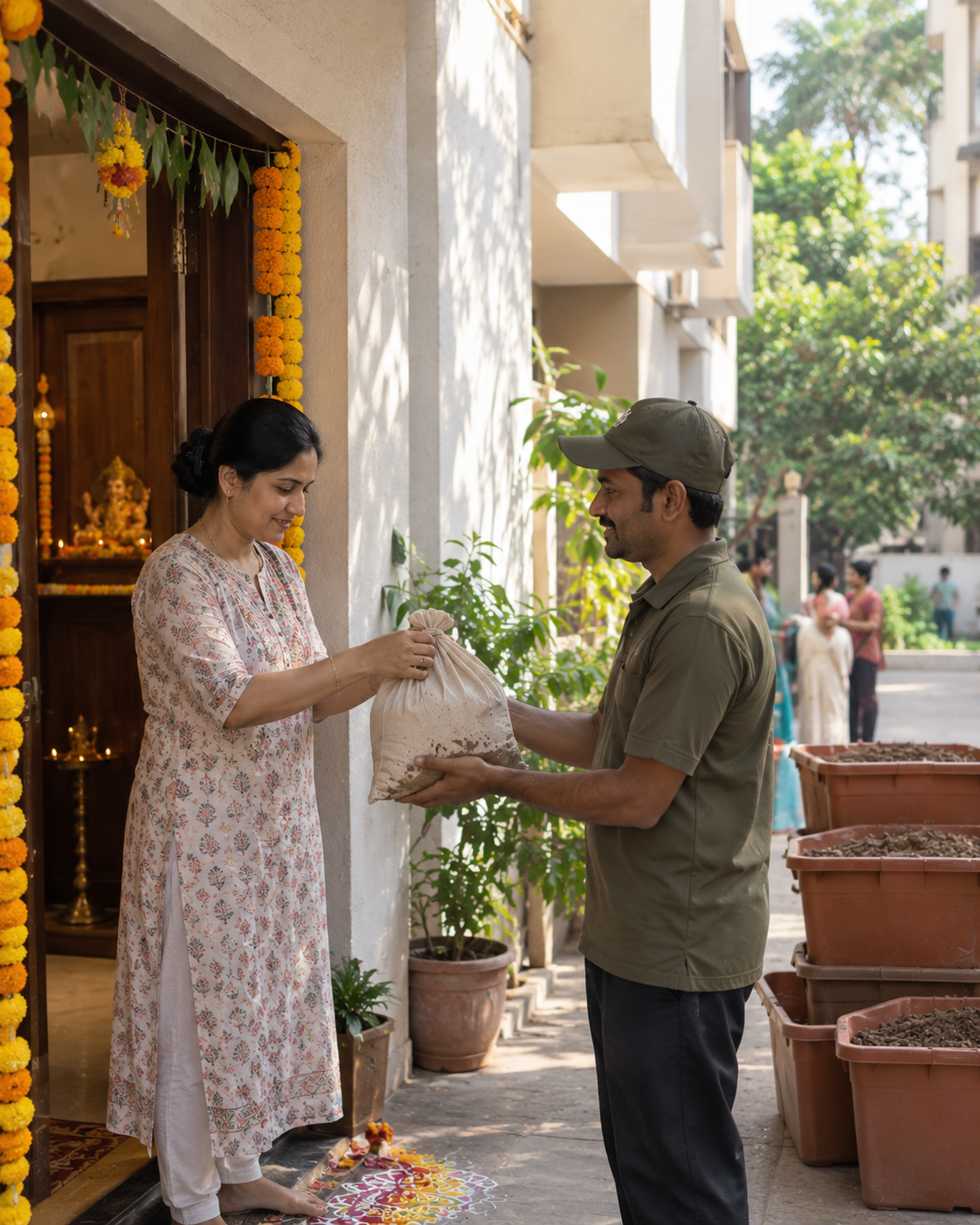
Map Of Home Immersion Collection Centers Dates of collection : 20th September and 27th September 2026 (9:00 AM – 1:00 PM)
Note: We collect only eco-friendly clay at the Home Immersion Centres. Plaster of Paris (POP) idols will not be accepted.
Click on a Collection Centre icon in the sidebar or on the map to view the coordinator’s details and contact information.
Map of Public Immersion Location Dates of collection : 15th September to 25th September 2026
Click on a Collection Centre icon in the sidebar or on the map to view the coordinator’s details and contact information.
Clay collected in PCMC in the past few years
22.8 tonne
17.6 tonne
4.2 tonne
1 tonne
Doorstep Pick Up By Poornam Ecovision Foundation
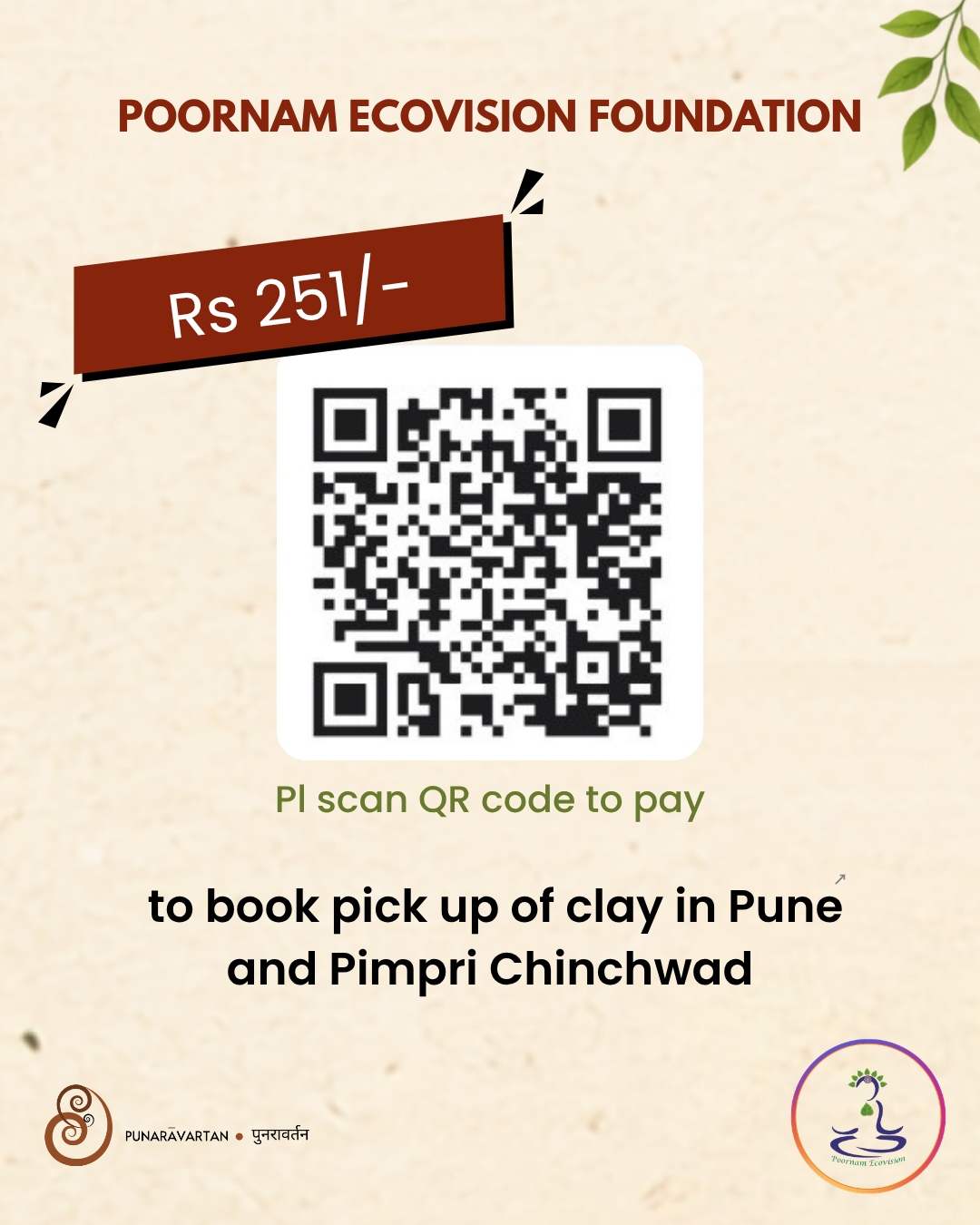
For 2026, Poornam Ecovision is launching a pick up service from your doorstep for a token contribution of Rs. 251/- to cover transport costs. Please scan the QR code in the poster to place a booking for Pune and Pimpri Chinchwad. Use the QR code below to make your payment and include the screenshot in the form before you submit it.
Punaravartan Posters
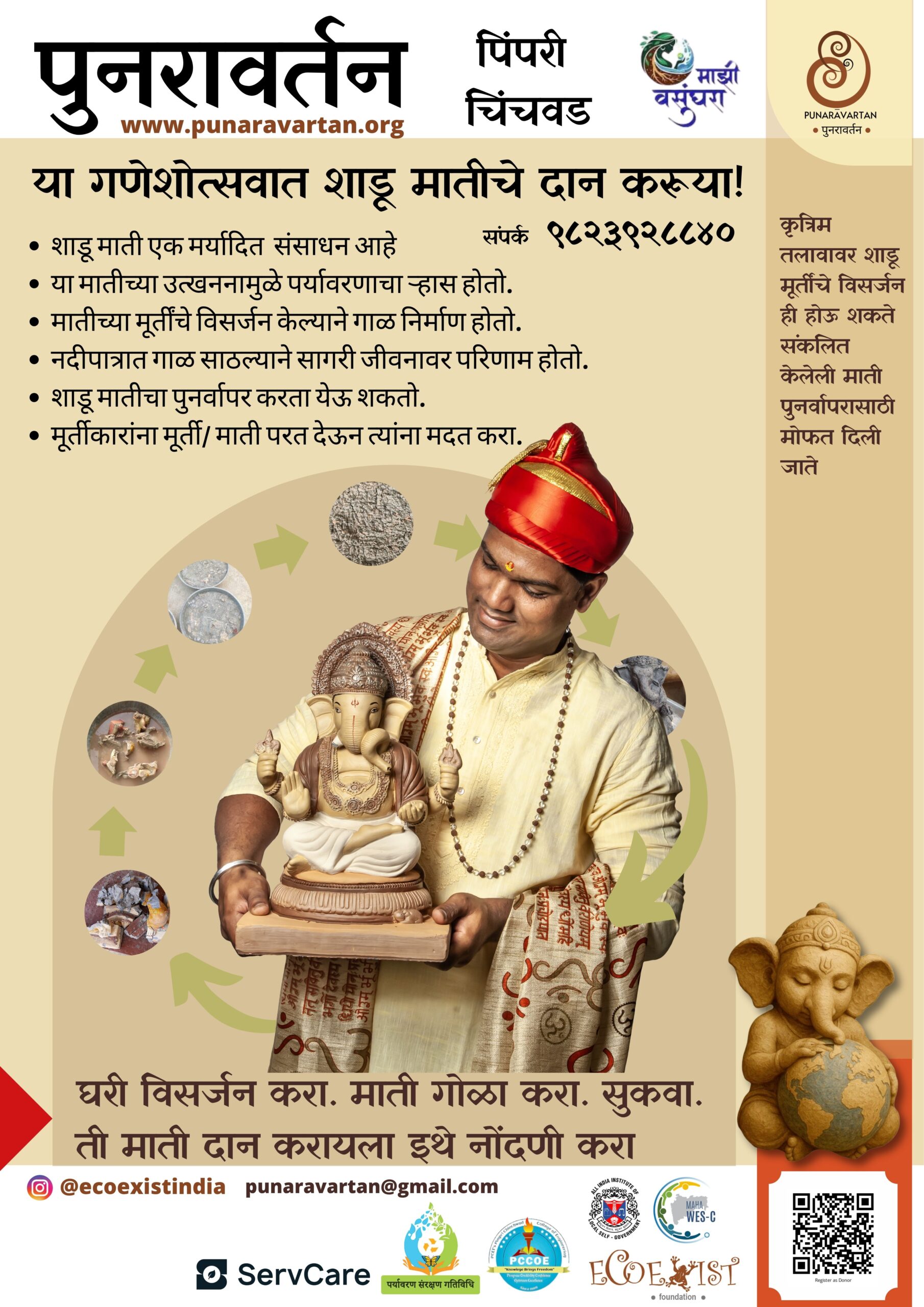
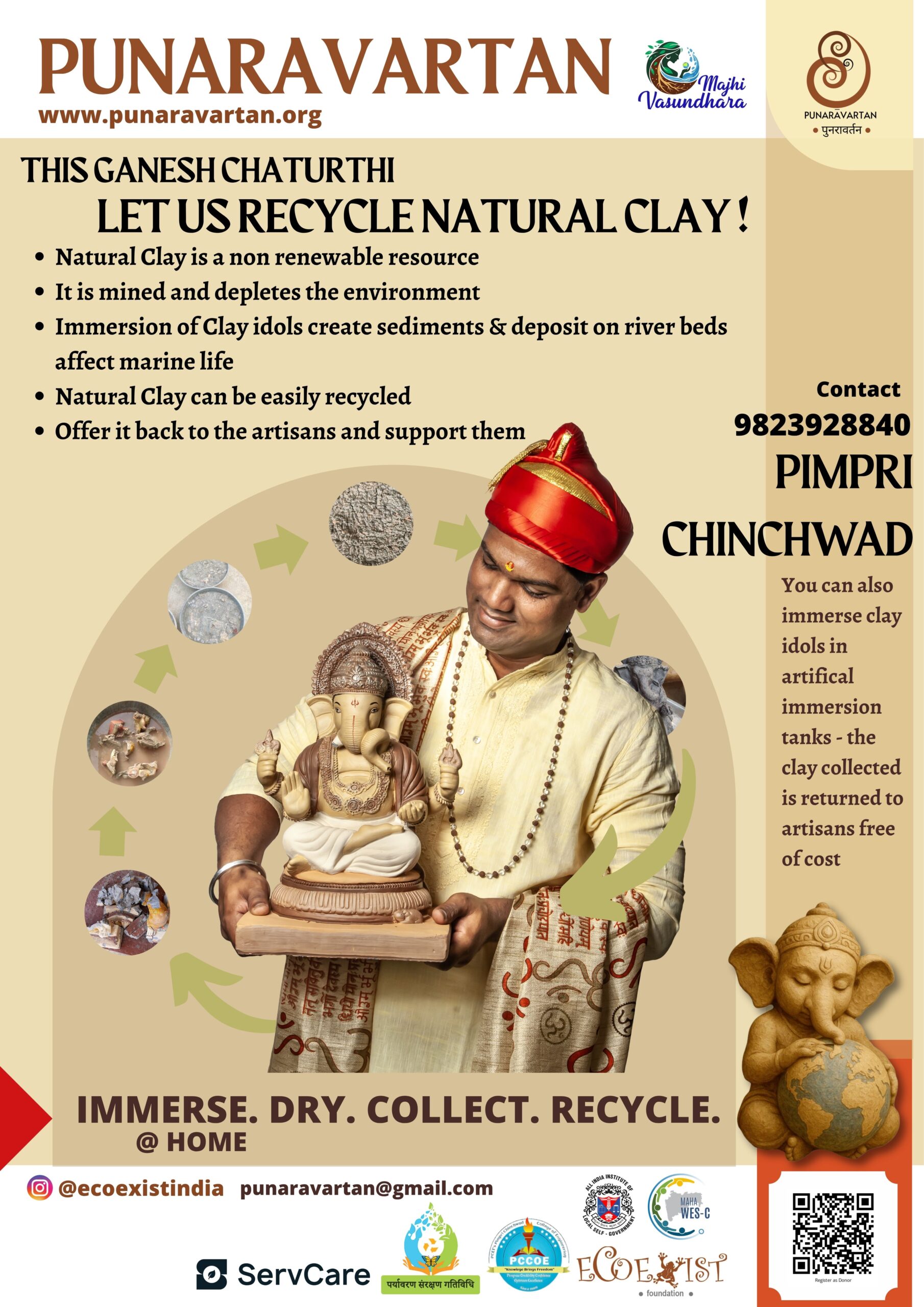
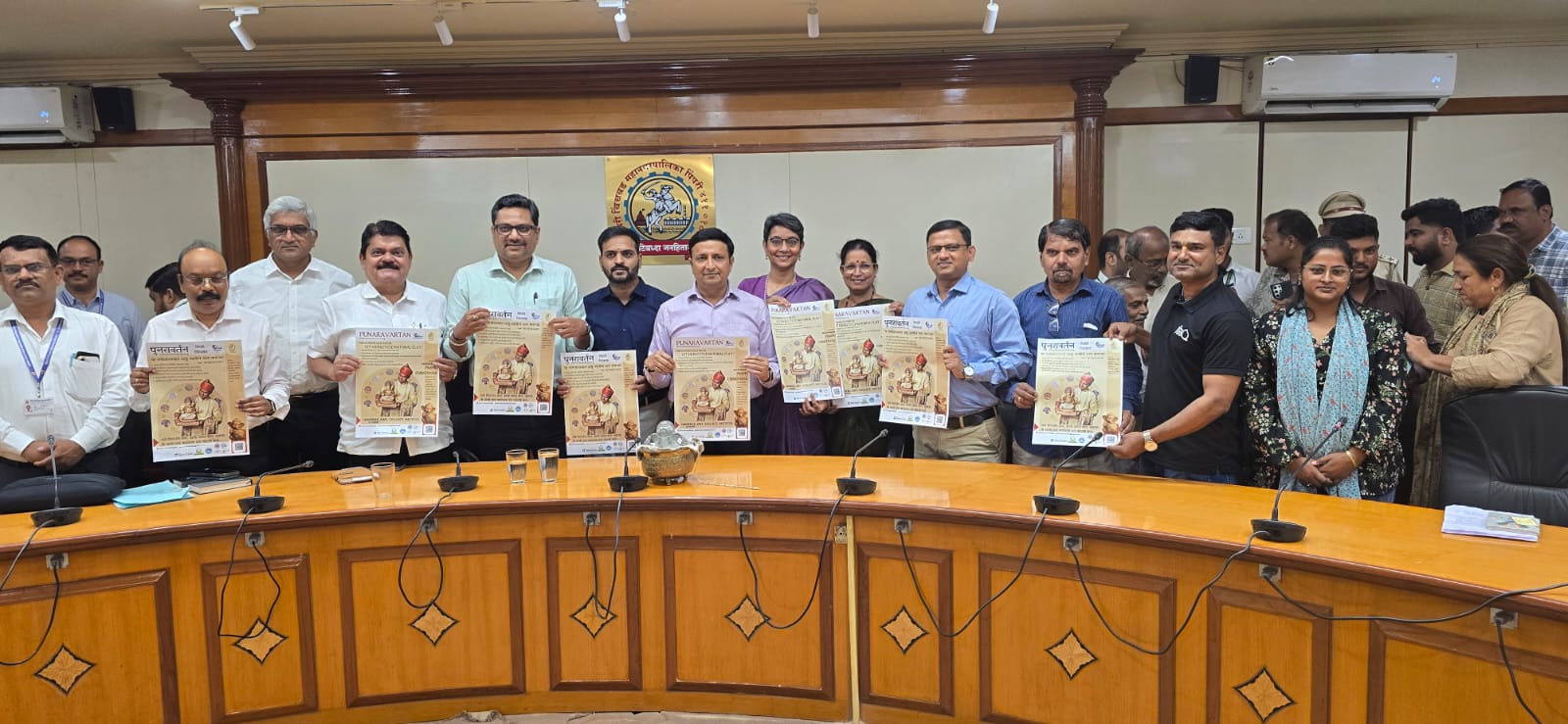
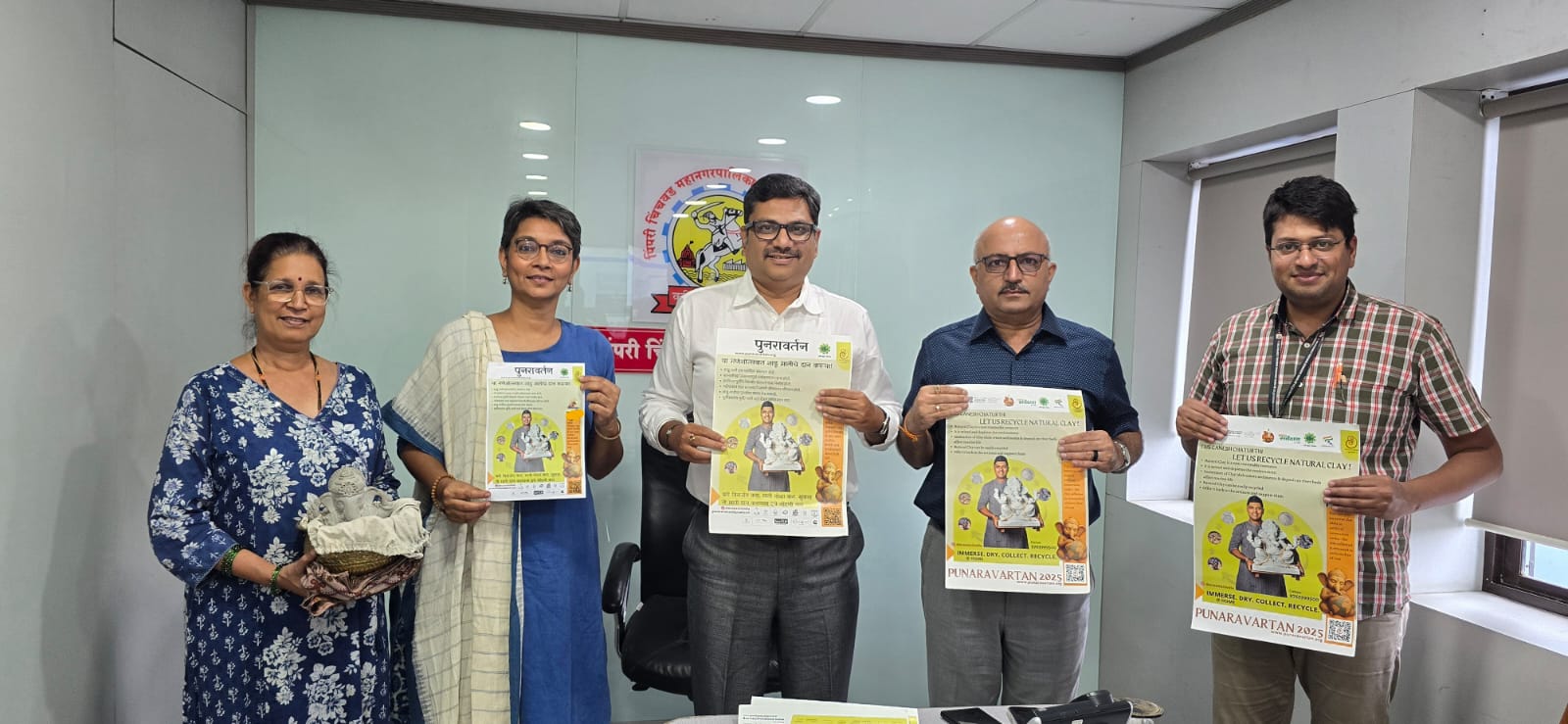
Campaign Partners PCMC


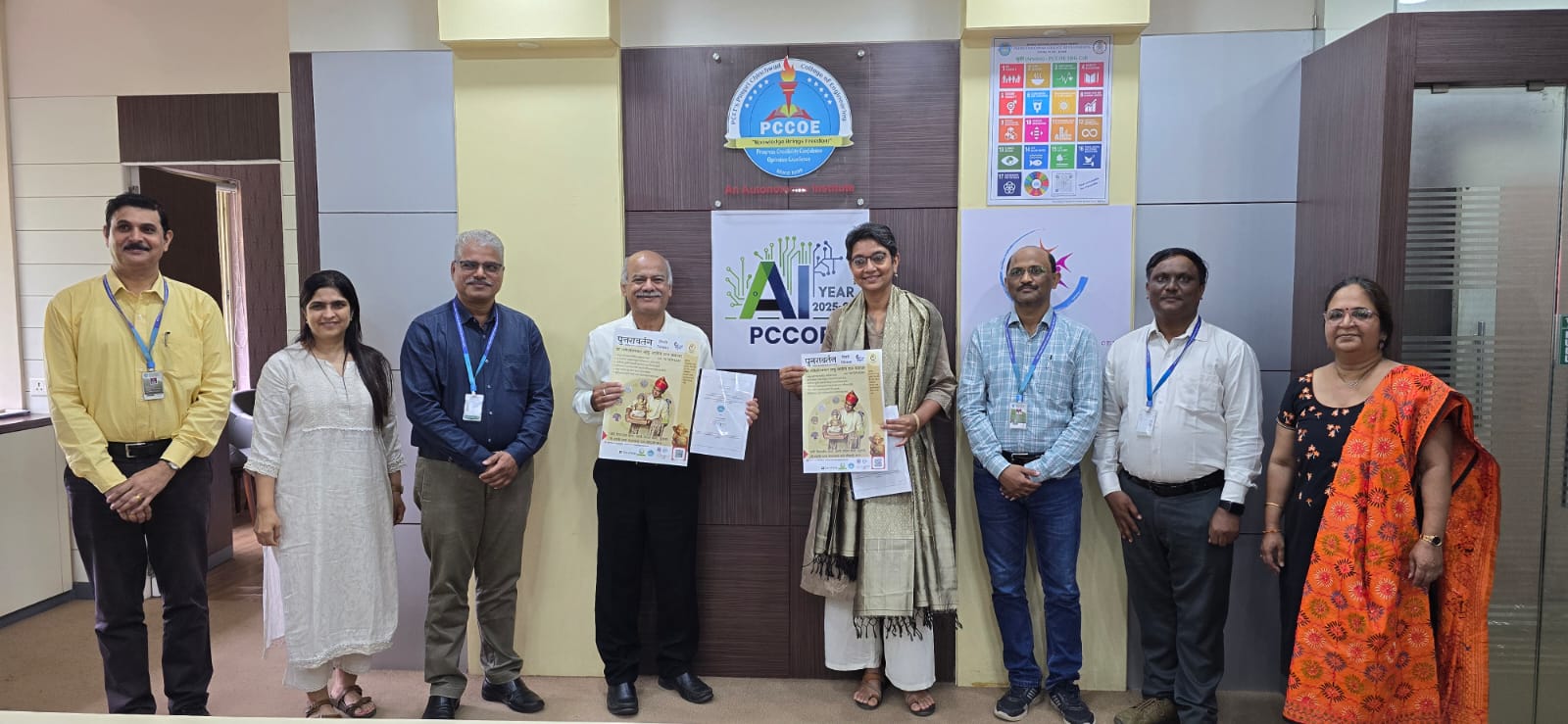
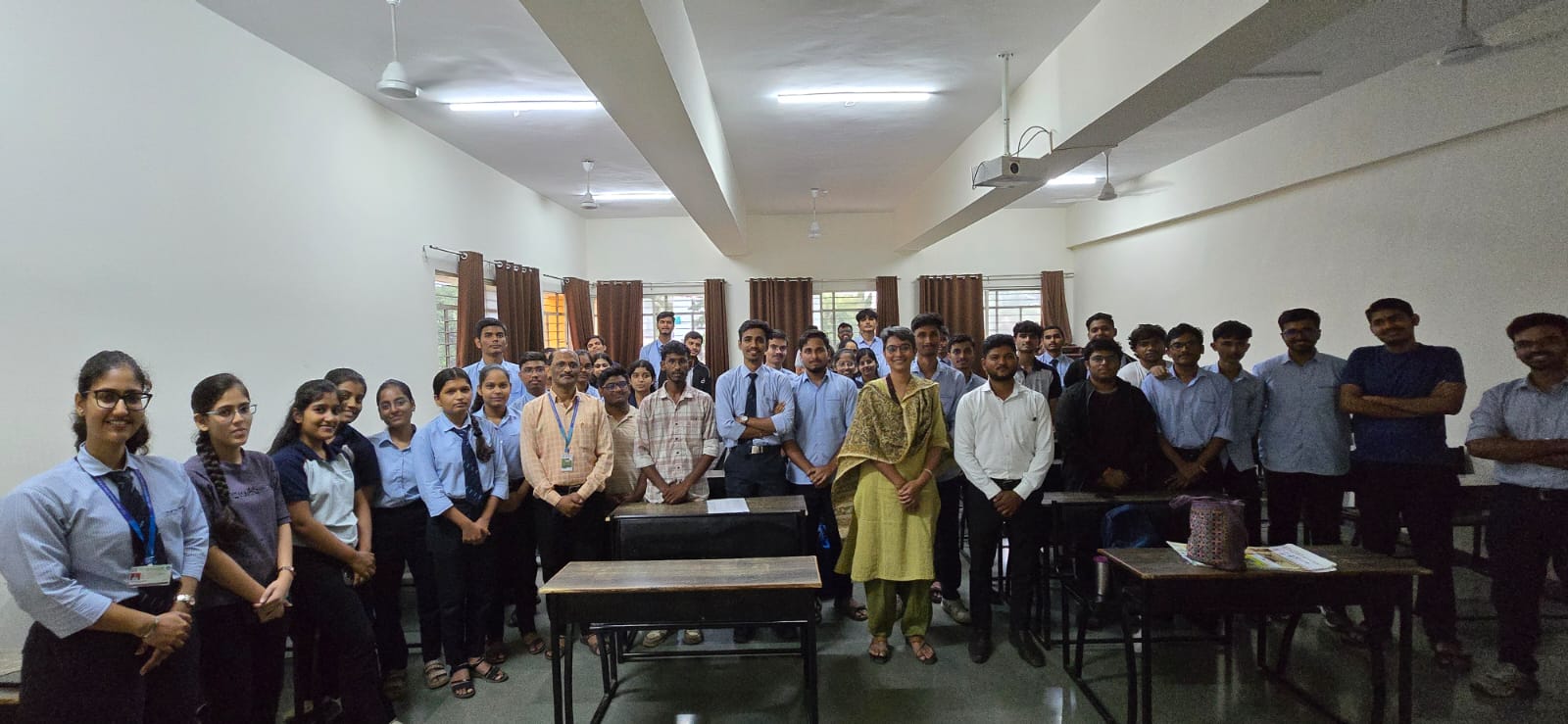
Glimpses from past campaigns
-
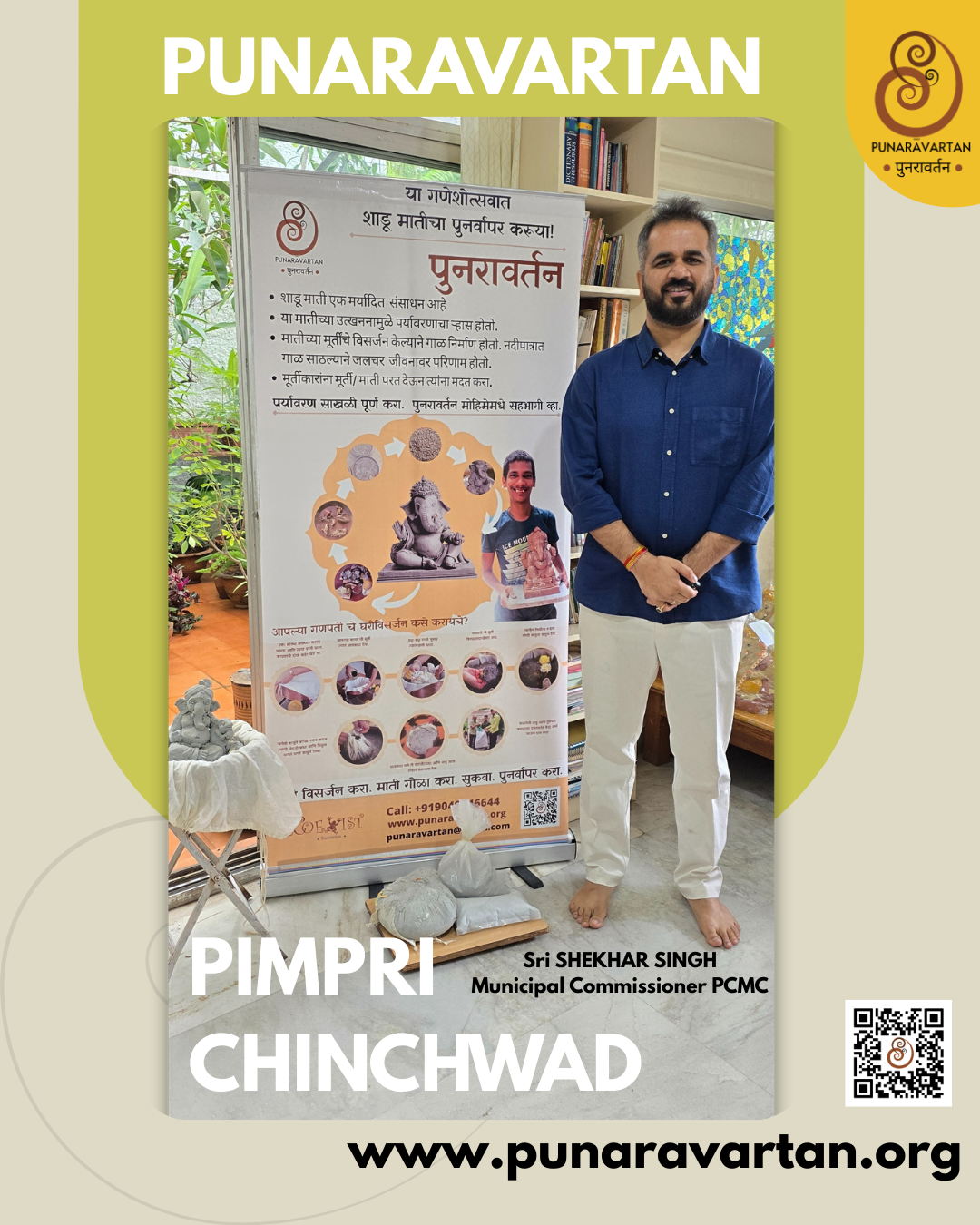
- PUNARAVARTAN PCMC Shekhar Singh
-
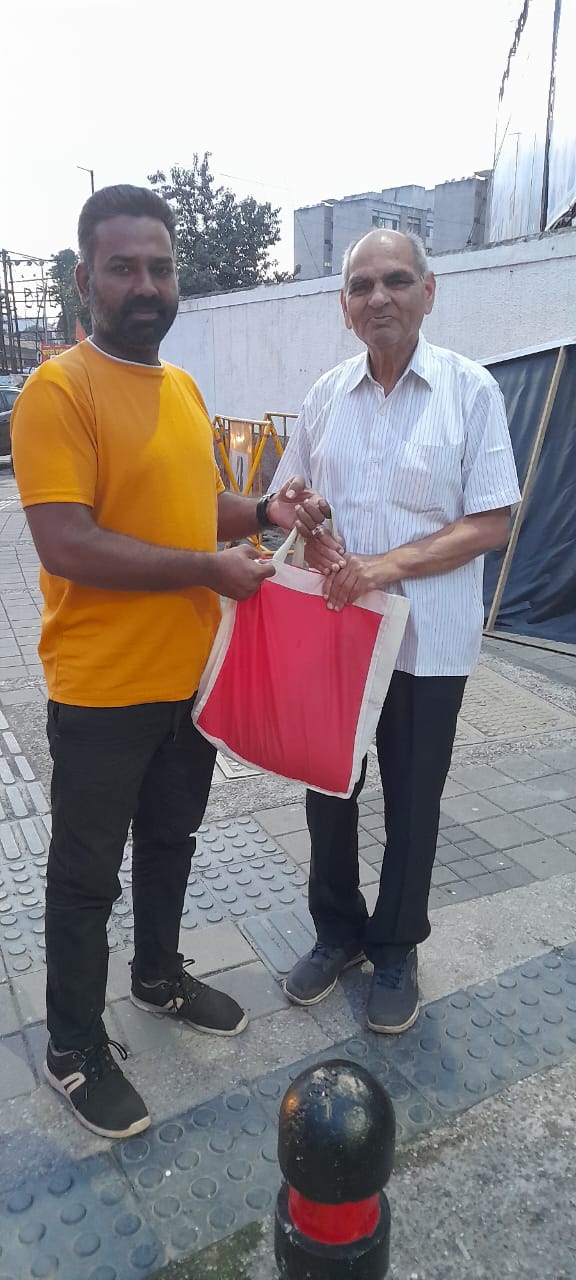
- PCMC clay donation
-
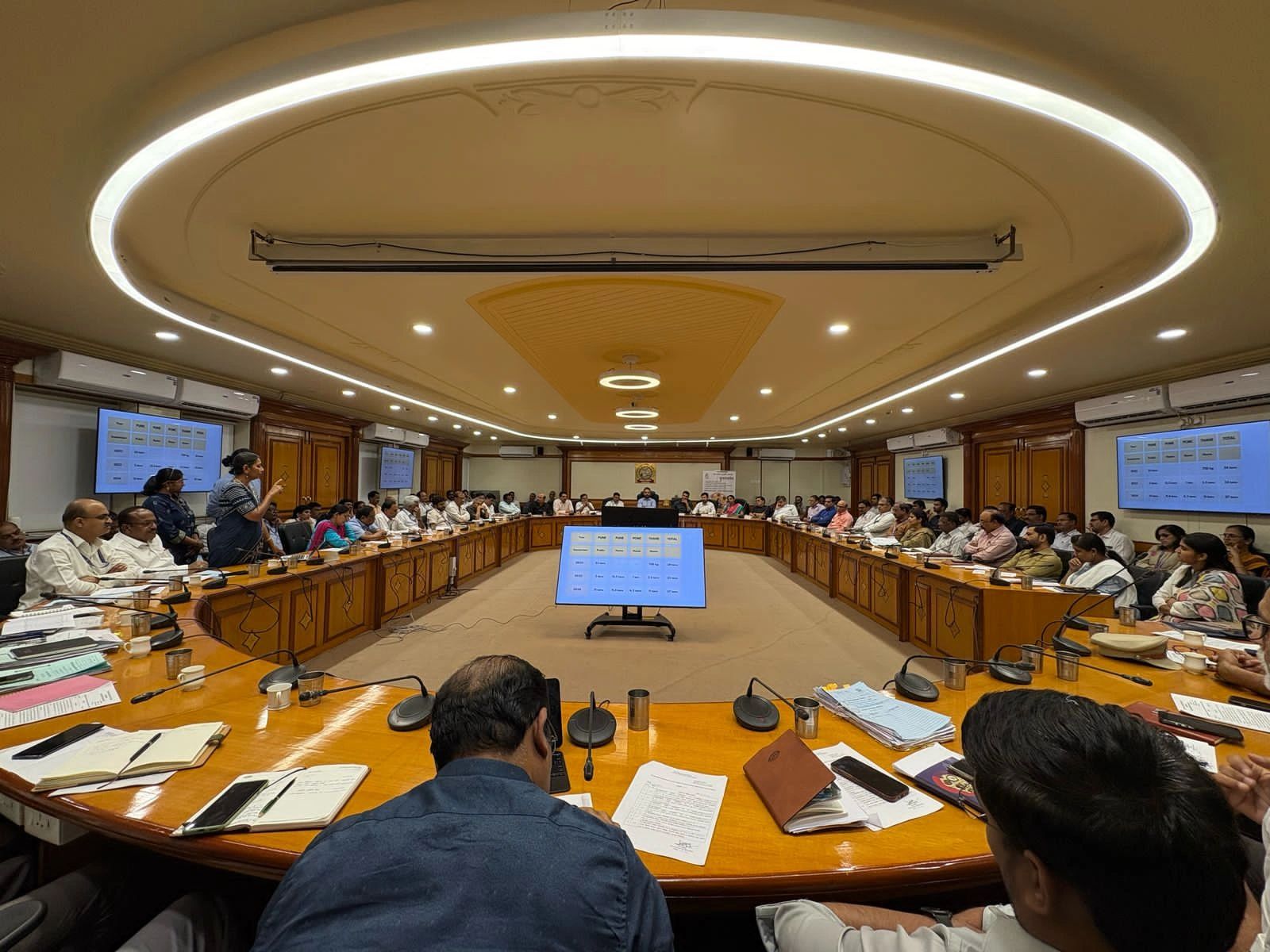
- PV25 PCMC presentation
-
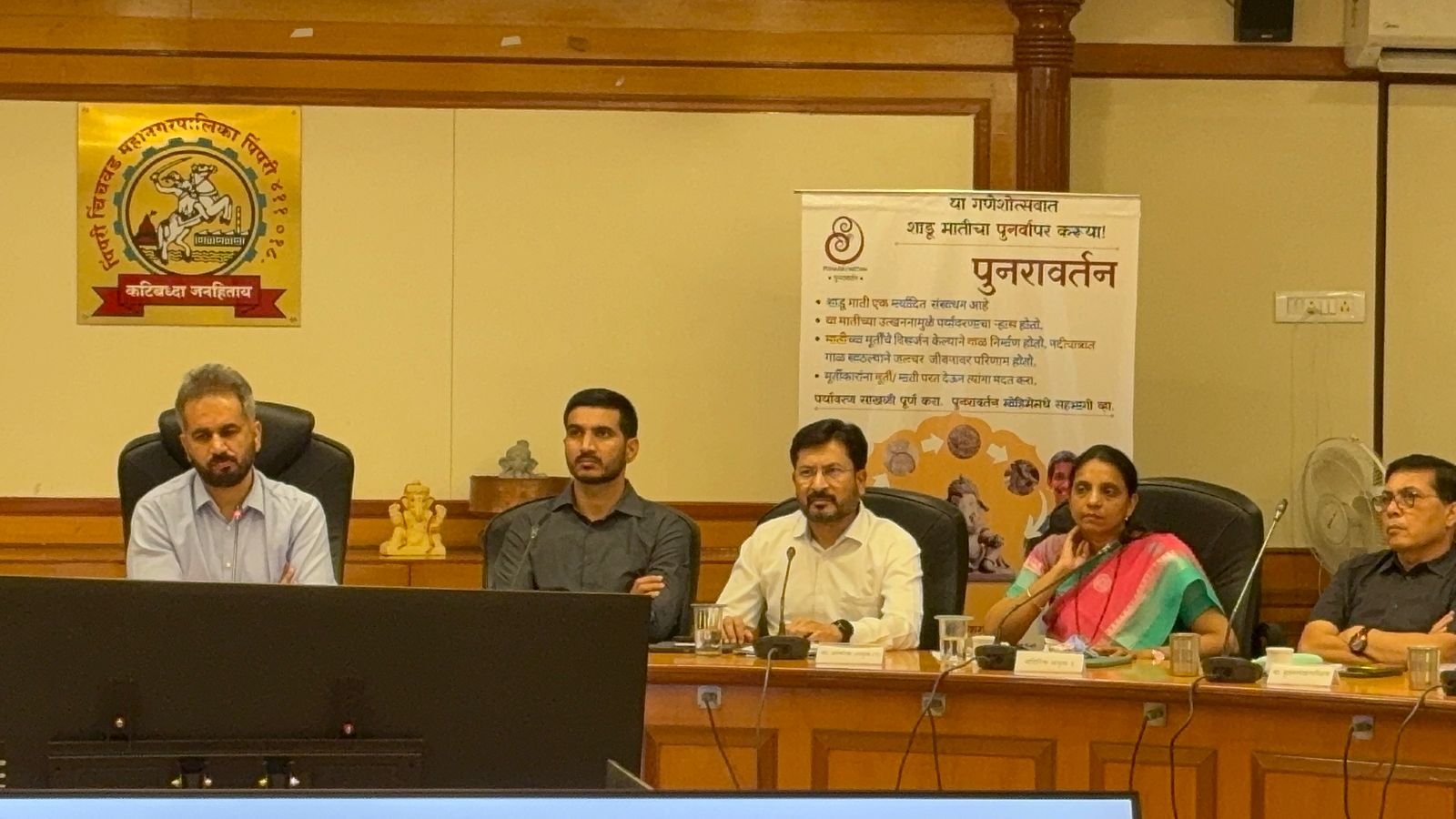
- PV25 PCMC presentation 2
-
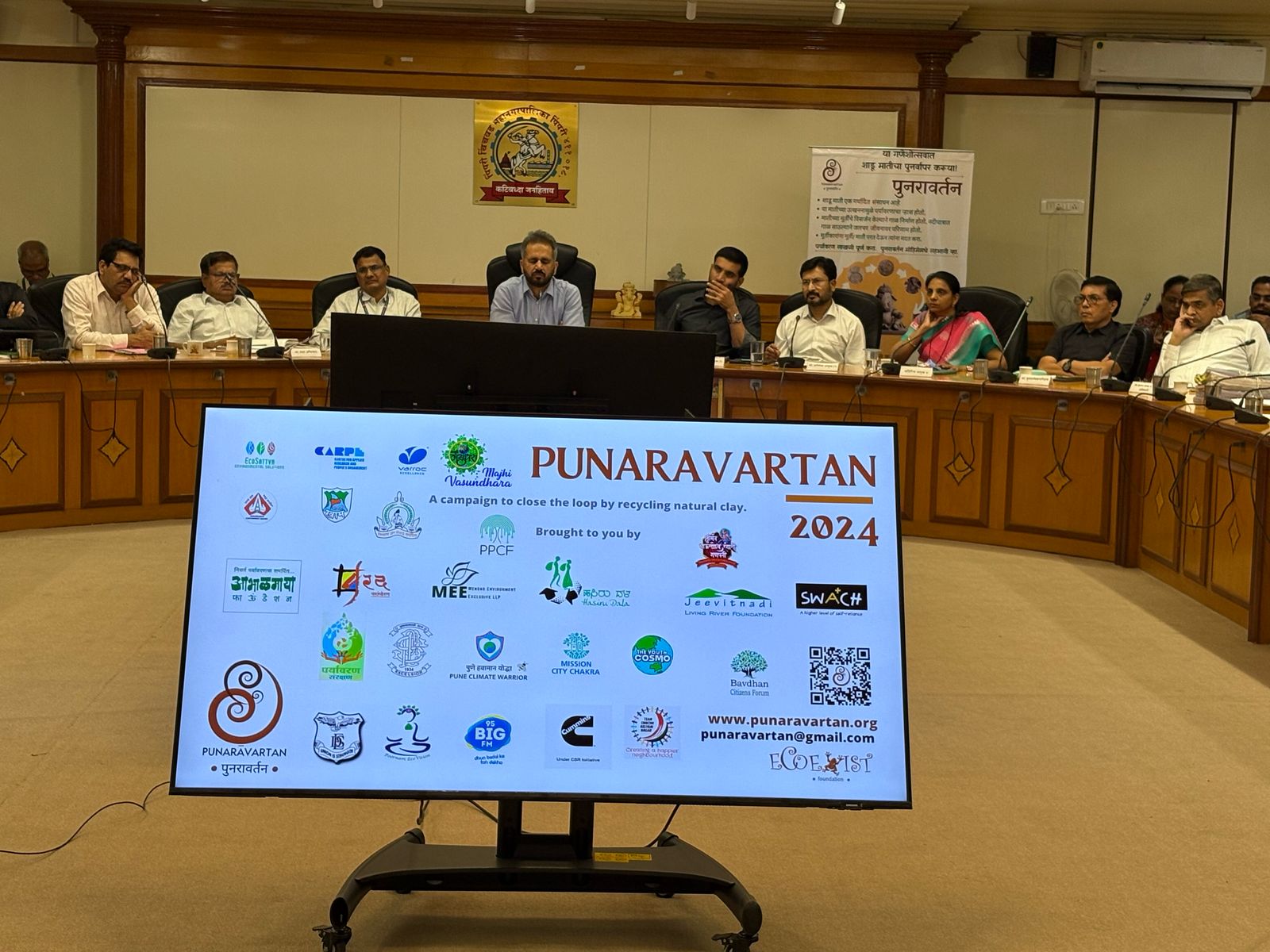
- PV25 PCMC presentation 1
-
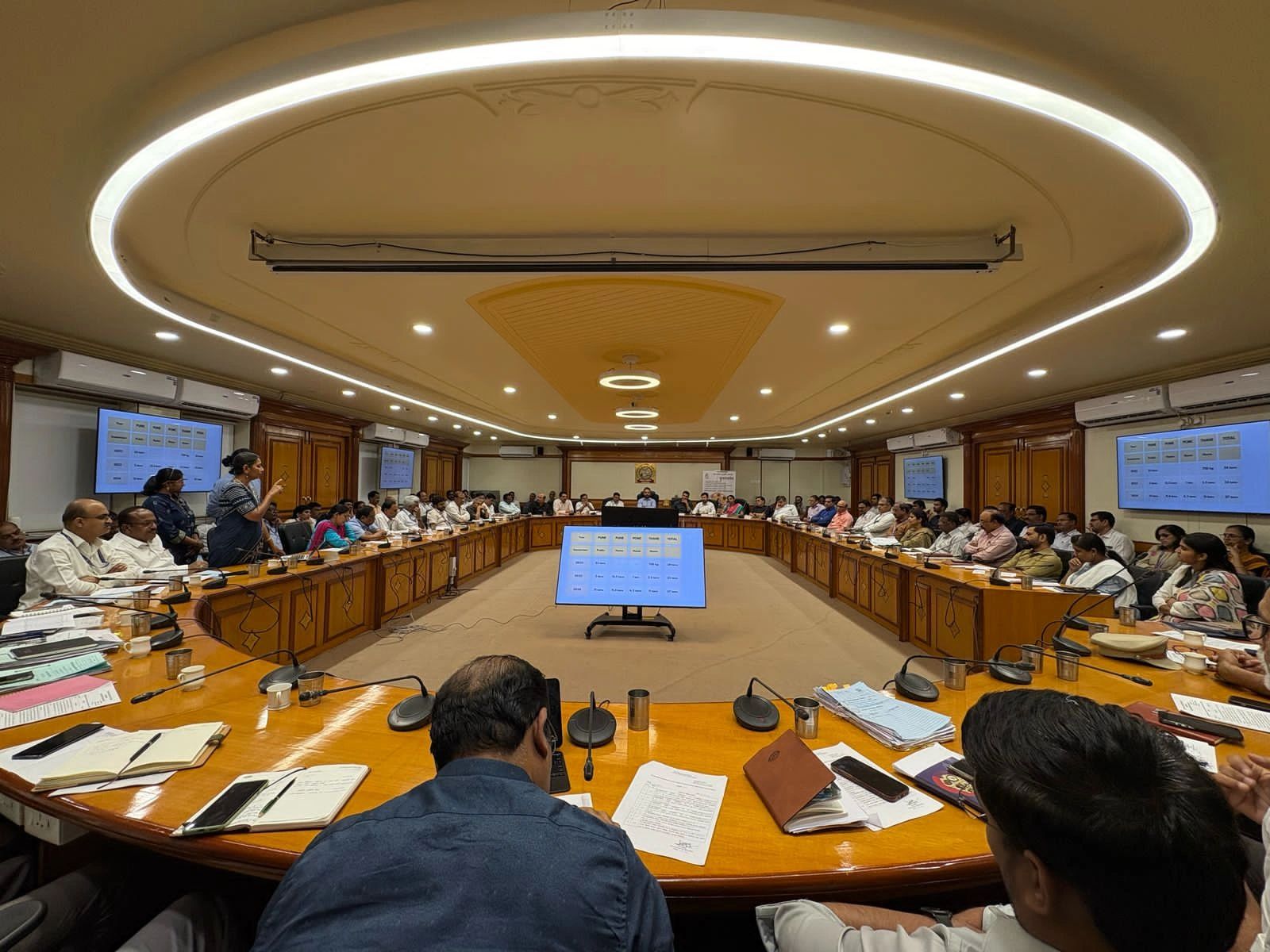
- PV25 PCMC presentation
-
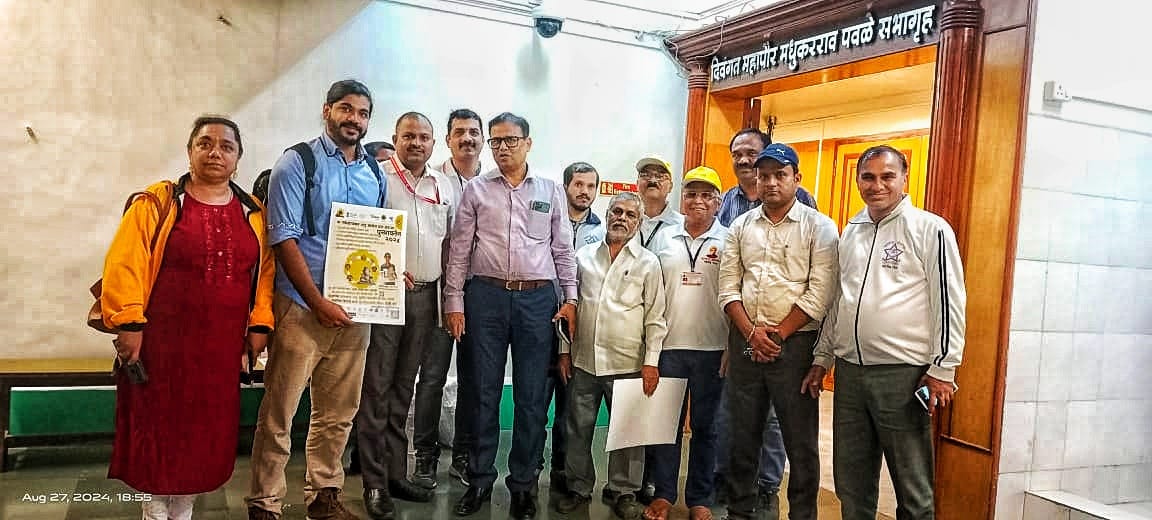
- Punaravartan Team With Sanjay Kulkarni, Head of Environment Department, PCMC and other PCMC NGO Representatives
-
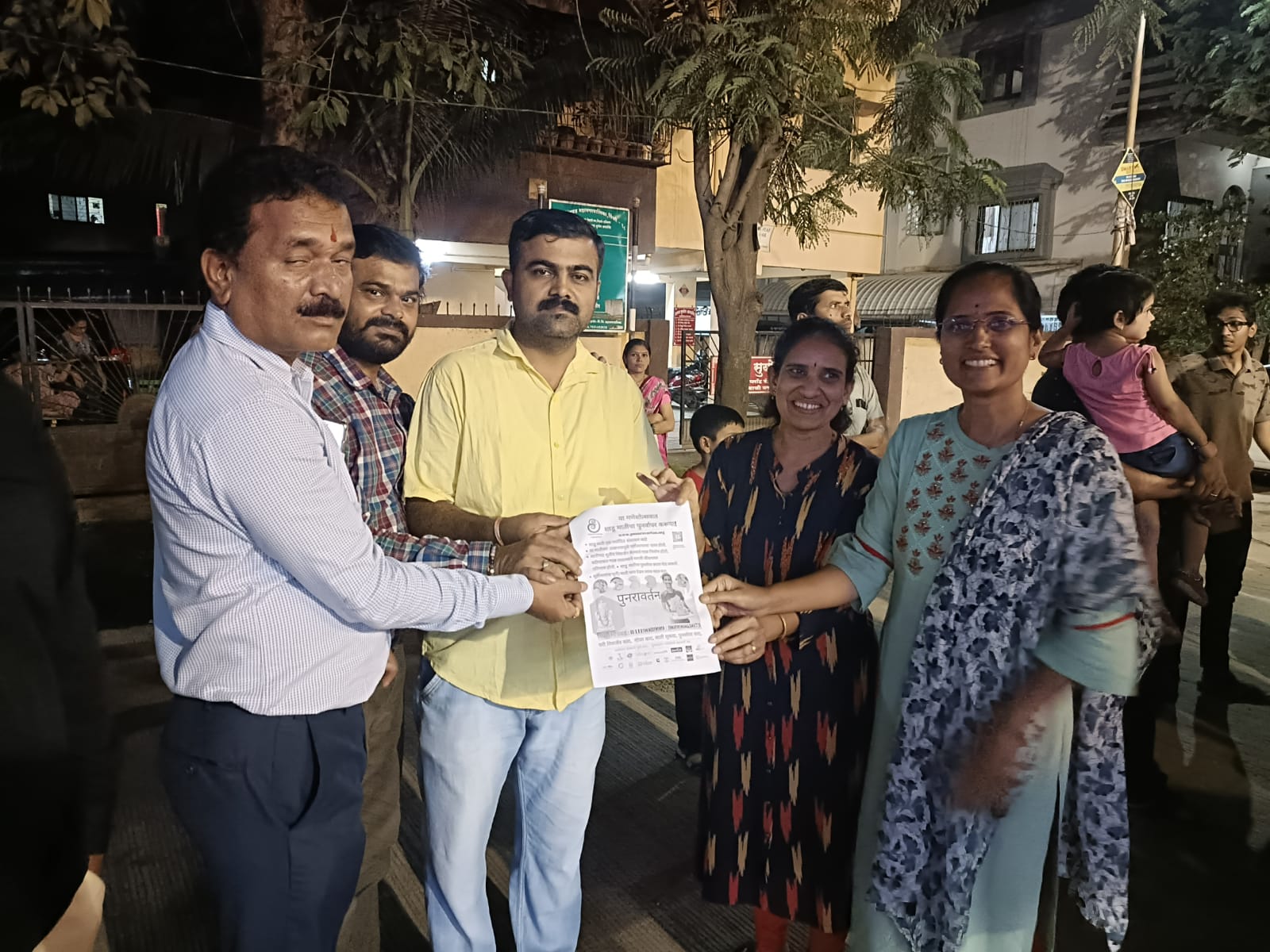
- PCMC awareness drive
Appeal by Sri Shekhar Singh, Additional Municipal Commissioner, PCMC
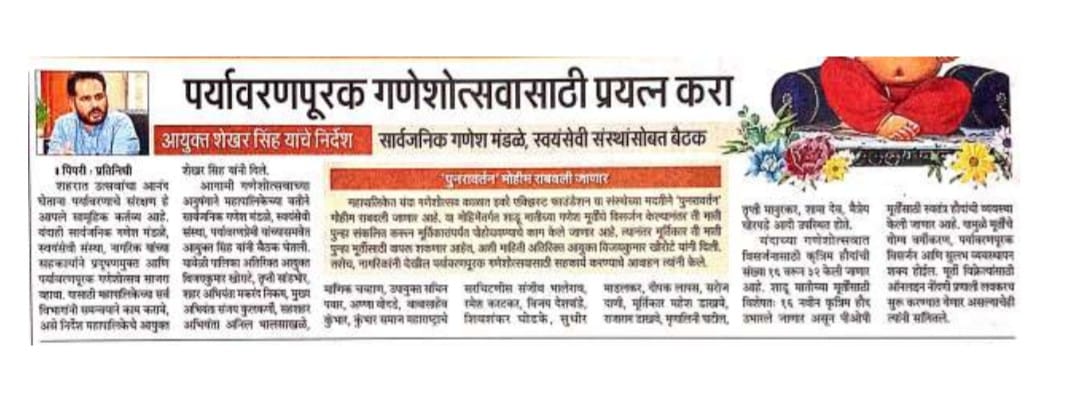
Past Press Coverage
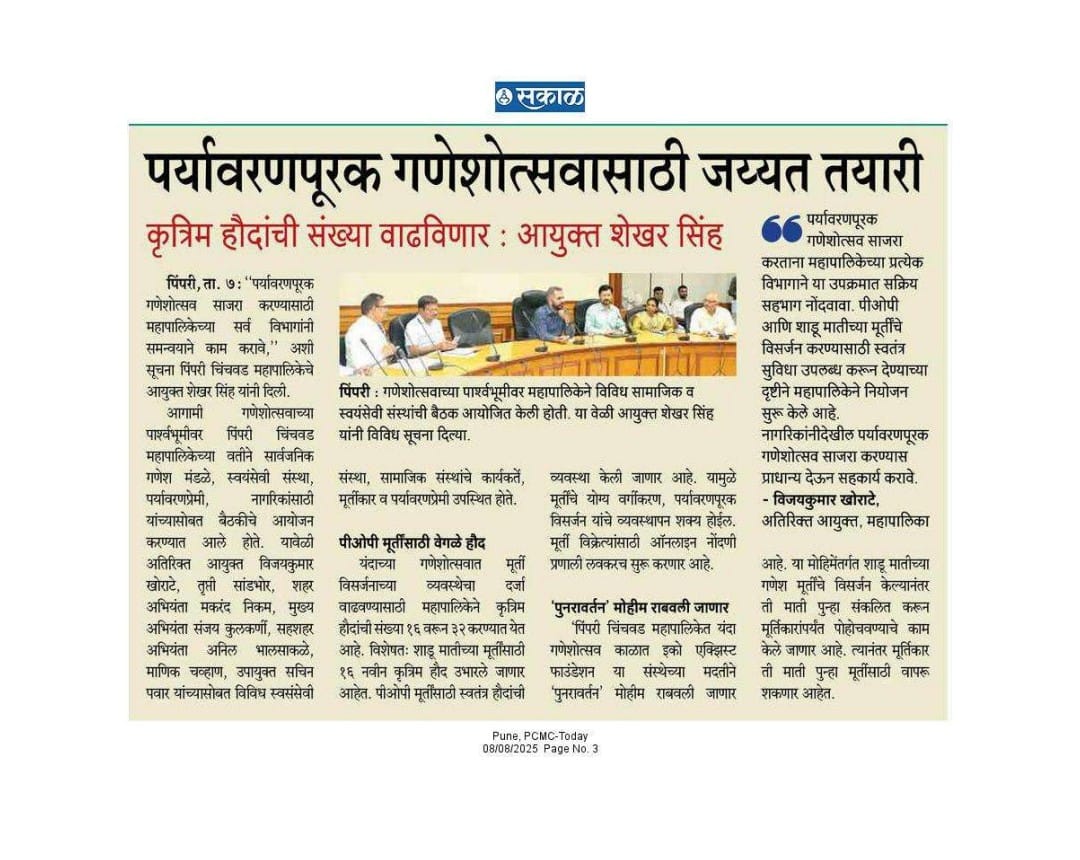
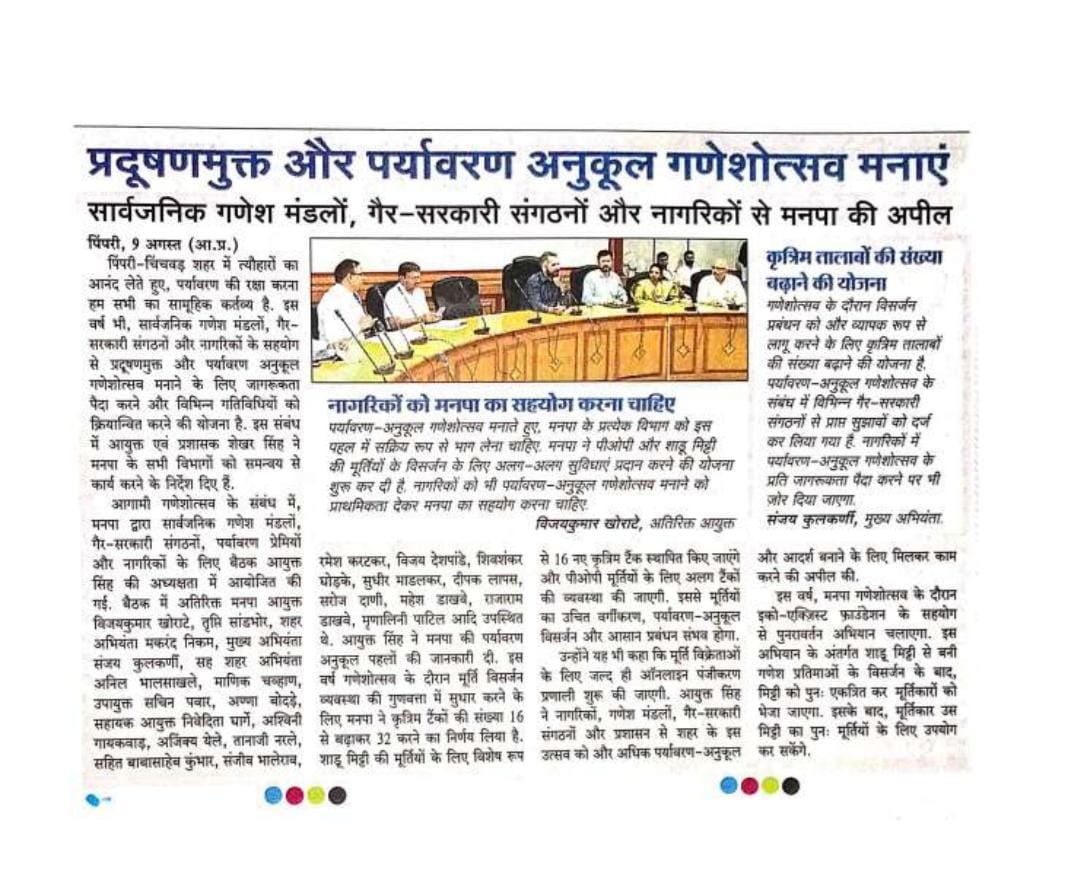
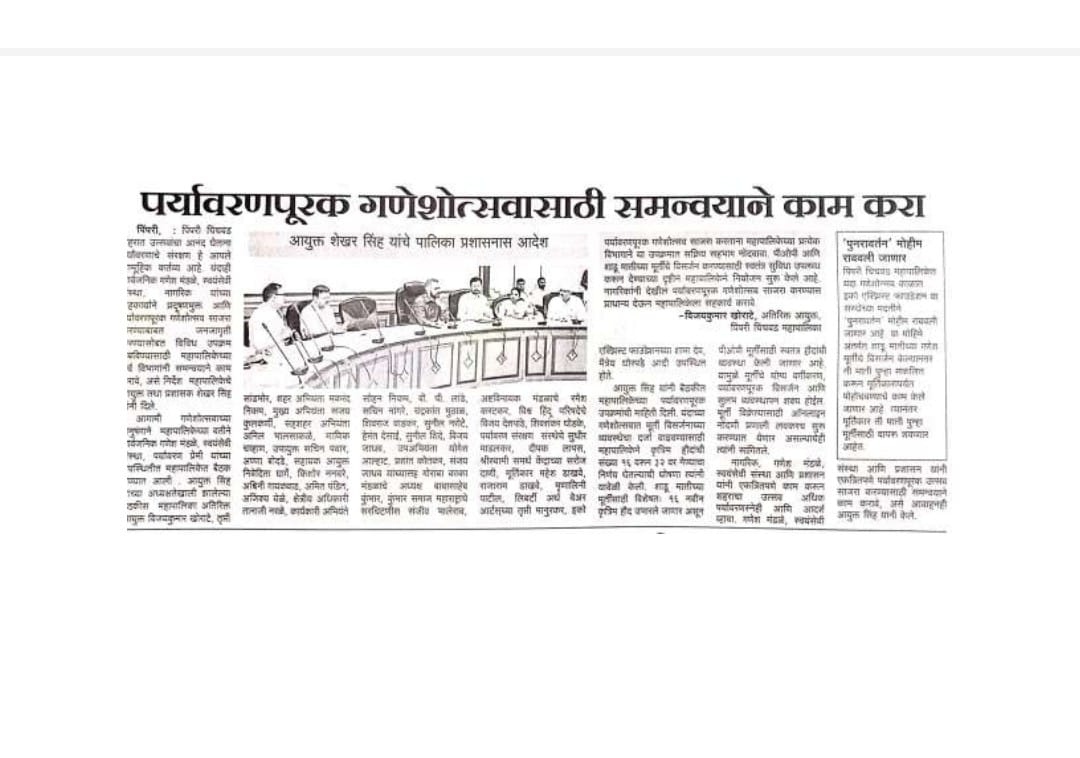
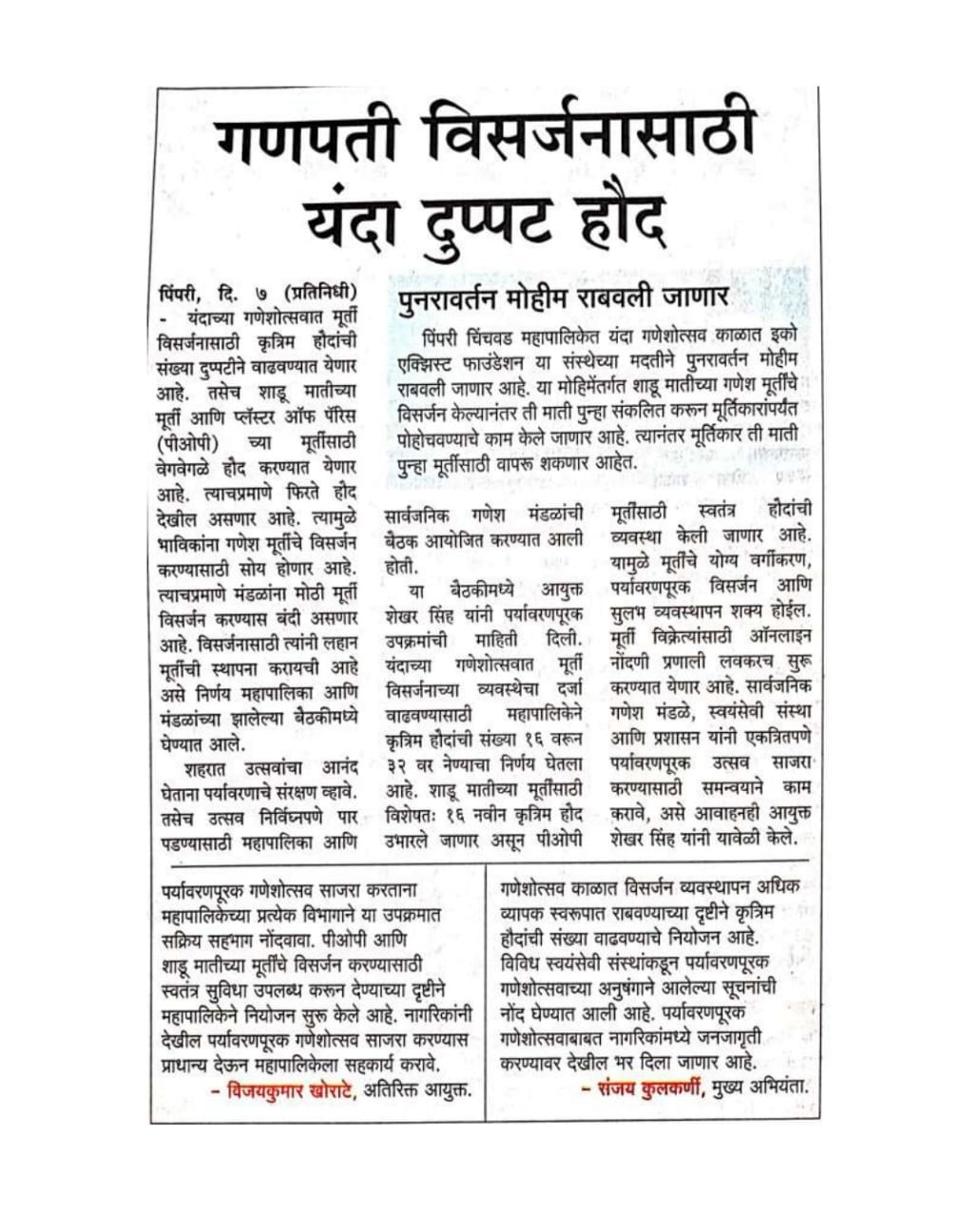
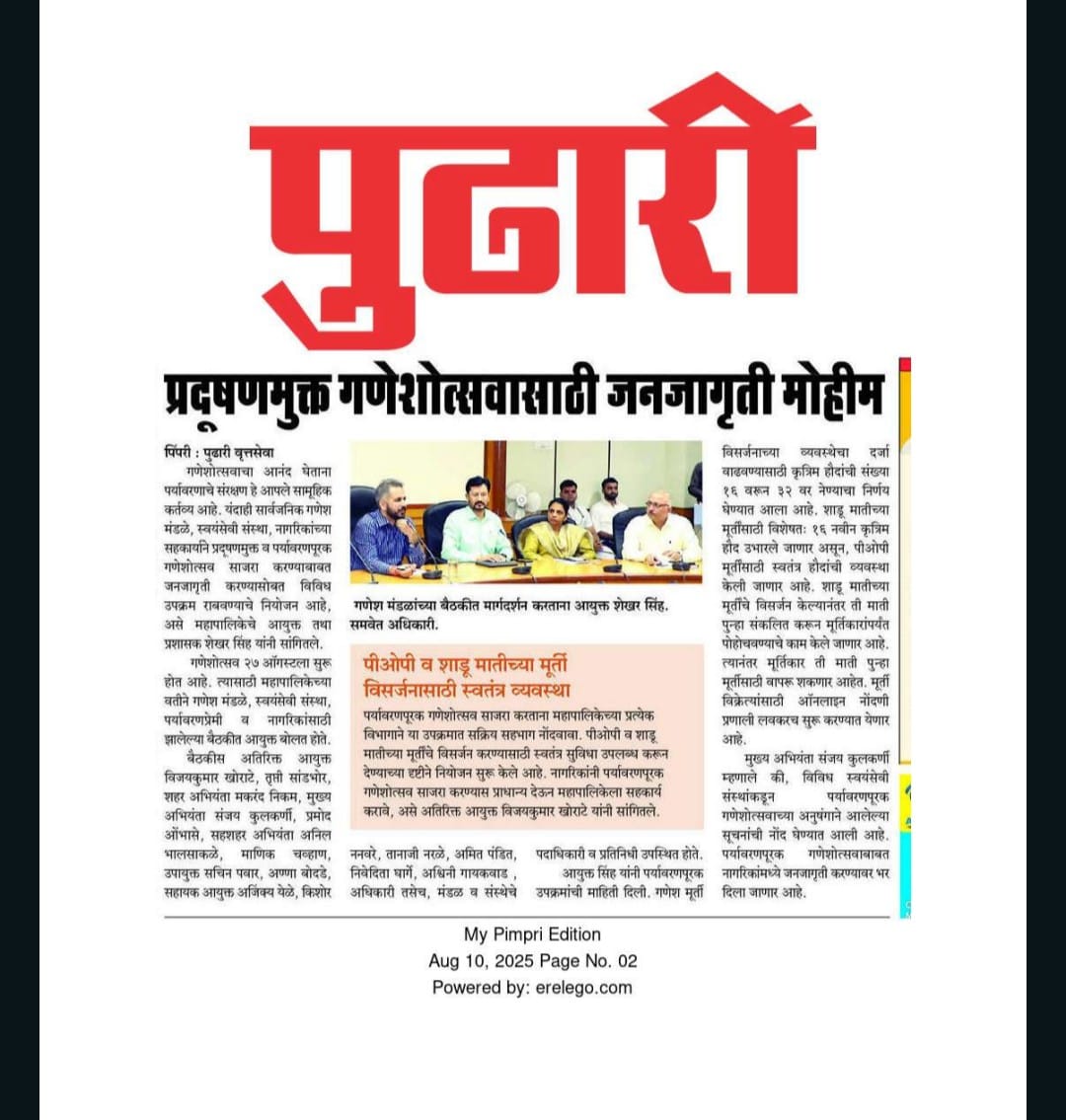
Lakes Government Action
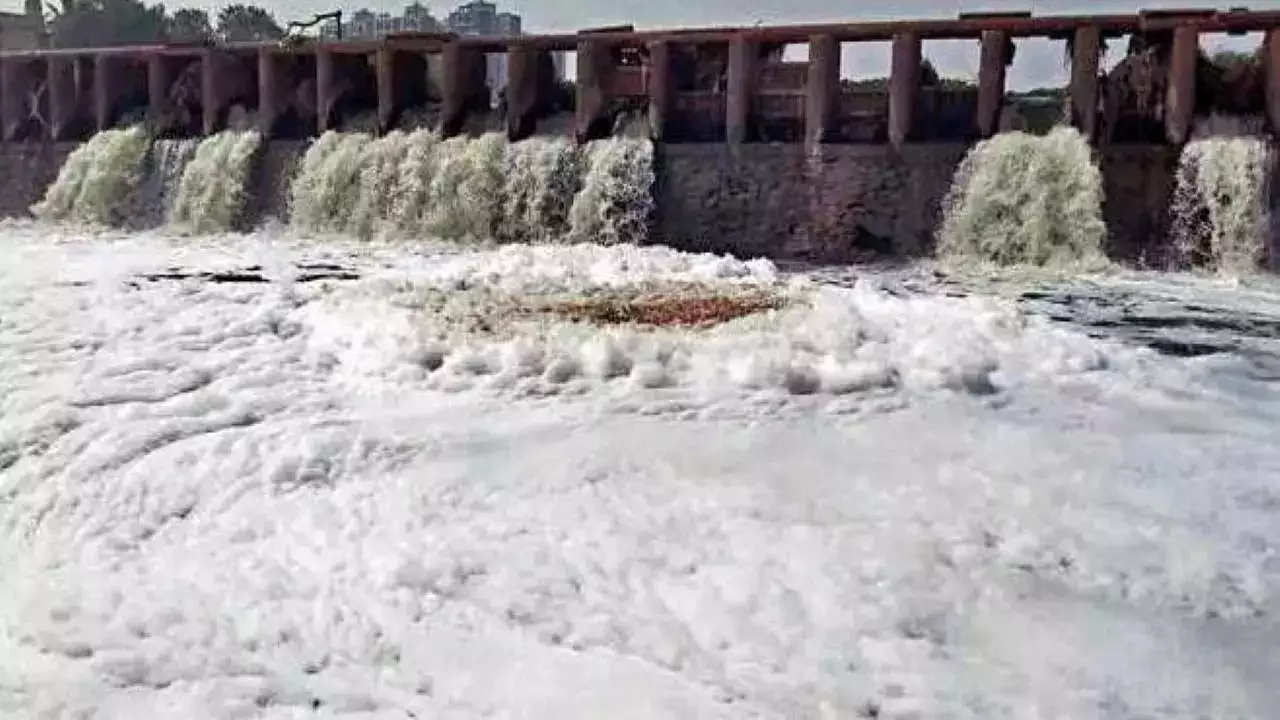
The Pimpri-Chinchwad Municipal Corporation (PCMC) has imposed a complete ban on the sale and manufacture of plaster of Paris (PoP) Ganesh and Durga idols within the city. Civic chief Rajesh Patil has emphasized strict enforcement of this ban, aligning with the guidelines issued by the Central Pollution Control Board (CPCB) and Maharashtra Pollution Control Board (MPCB).
Key points of the ban include:
- Compliance with Anti-Pollution Norms: Manufacturers must adhere to the CPCB and MPCB guidelines. Violators will face stringent actions.
- Mandatory Registration: Idol makers must register with the municipal corporation. Unregistered artisans, sculptors, and manufacturers are prohibited from setting up stalls.
- Licensing: Shopkeepers and traders must have a valid license to sell idols. Licensed vendors must display their license prominently.
- Promotion of Eco-Friendly Idols: The PCMC encourages the use of eco-friendly materials such as ‘shadu’ clay and natural colors for idol making.
- Community Participation: Citizens are urged to use water-soluble and eco-friendly idols and worship materials during Ganeshotsav and Navratri.
- Home Immersion Initiative: Continuing from last year, citizens are encouraged to immerse idols at home to prevent pollution in water bodies.
Material
The Ganesh idols made by artisans like Dinesh Gole in Maharashtra are crafted from natural clay, locally known as shaadu maati. This clay is primarily mined in states like Gujarat and West Bengal and then transported to Maharashtra. The mining, extraction, and transportation processes are known to cause environmental pollution and health hazards for miners, as well as degrade natural resources in the mining areas.
Immersion
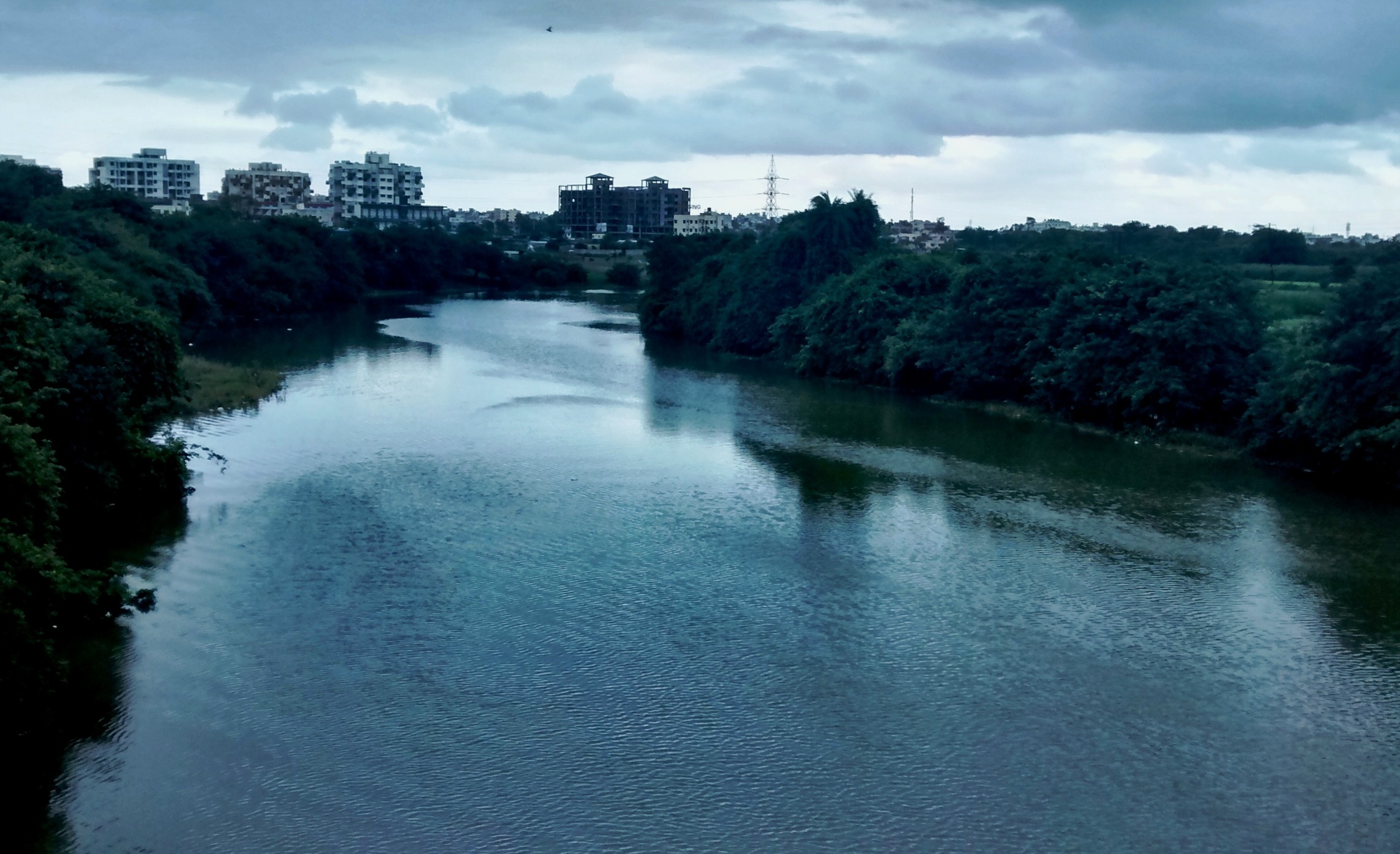
The Pimpri Chinchwad Municipal Corporation (PCMC) makes extensive preparations for the final immersion day of the 10-day Ganesh festival. Key measures include erecting watch towers and installing floodlights at 16 main immersion ghats along the Pavana, Mula, and Indrayani rivers, as well as deploying lifeguards, firemen, and around 100 to 120 health department employees for safety. The main ghats include Subhashnagar Ghat in Pimpri, Moraya Gosavi Ghat in Chinchwadgaon, and the ghat in Thergaon. CCTV cameras have been installed for monitoring, and boats are positioned at key locations for additional safety.
PCMC sets up pandals at Karachiwala Chowk and Chapekar Chowk to welcome Ganesh mandals. To manage environmental concerns, the civic body had provided nirmalya kalash for disposing of flowers and garlands and installed artificial immersion ponds at the ghats.
Join PCMC’s Punaravartan Movement
Whether you want to give clay, take clay for reuse, help collect it, or support the campaign as a volunteer, there’s a place for you in the Punaravartan 2026 movement. Together, let’s shape a more sustainable tomorrow.