
Skip to content

CONVERTING CLAY SLUDGE TO POWDER Step by step recycling process
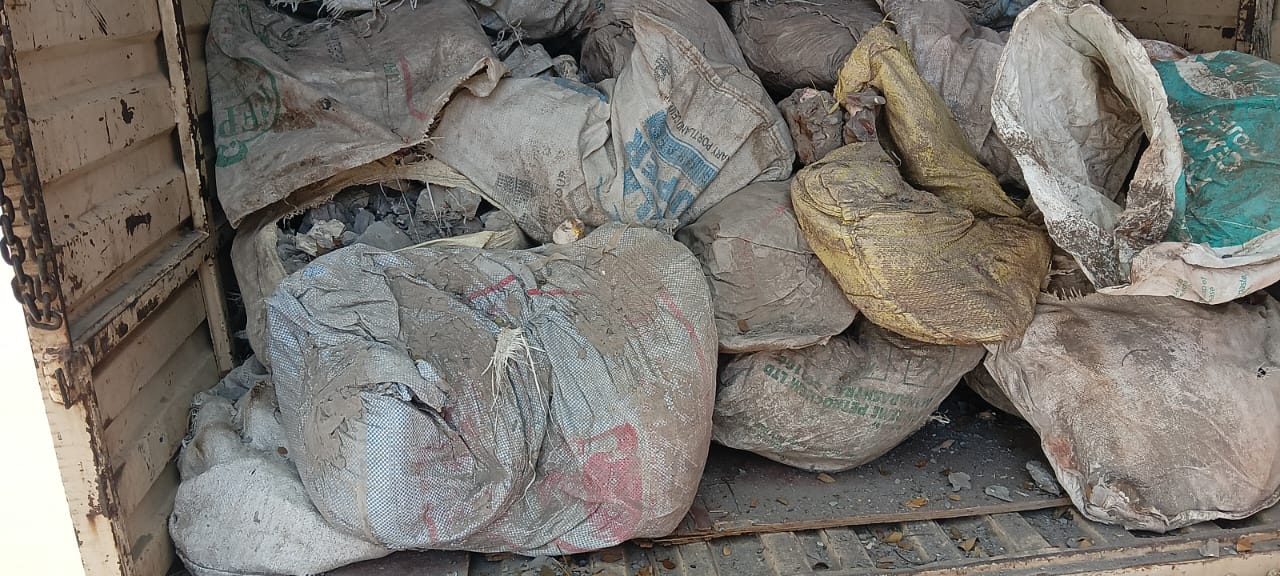
As the clay used for Ganesh idols is not fired, and only sun dried it retains its ability to absorb moisture. This is why, when it is immersed , it absorbs the water and disintegrates into a sludge. This sludge is collected in plastic sacks to be stored and transported. Many artisans are willing to accept the clay back in sludge form and simply soak it in water to allow the impurities ( decorations etc ) to float to the surface and remove them . The remaining clay sludge is fairly clean and can be used by them again. However when the clay is collected from public immersions it has a lot more impurities in it.
To enable the use of this clay by artisans, it has to be dried cleaned and powdered so that it may be good enough for reuse. This process is also fairly simple and we tested it to produce 3000 kg of clay powder in 2025-26. Our process has been as follows:
PV26 clay recycling collecting clay
STEP 1: COLLECTION OF CLAY IN SACKS 

 As the clay is still wet when collected it needs to be put into cement sacks to be able to transport it to a storage locations. Ideally it should be removed from the sacks right away and put in the sun to dry, but this is not always feasible as the festival is during the monsoon season. When the clay is left to dry inside the sacks it tends to to get entangled with the sacks which then have to be torn open to free the clay later.
PV26 clay recycling powdering hand pounding

STEP 2: REMOVING DRY CLAY FROM SACKS 

When the clay has been dried within the sackes it becomes solid and cannot be easily removed from the sacks. The sacks may have to be cut and torn open to get the clay out. 
PV26 clay recycling powdering adulterants

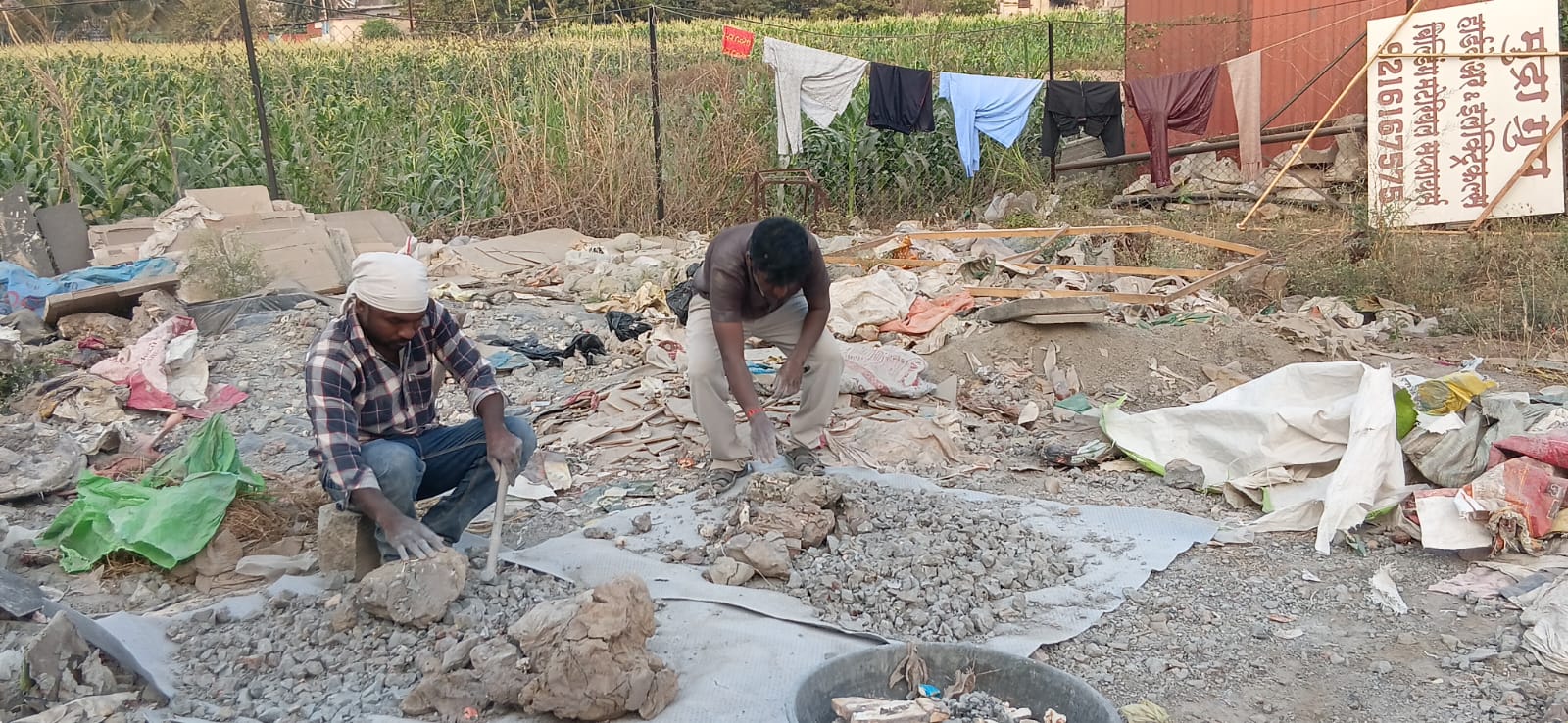
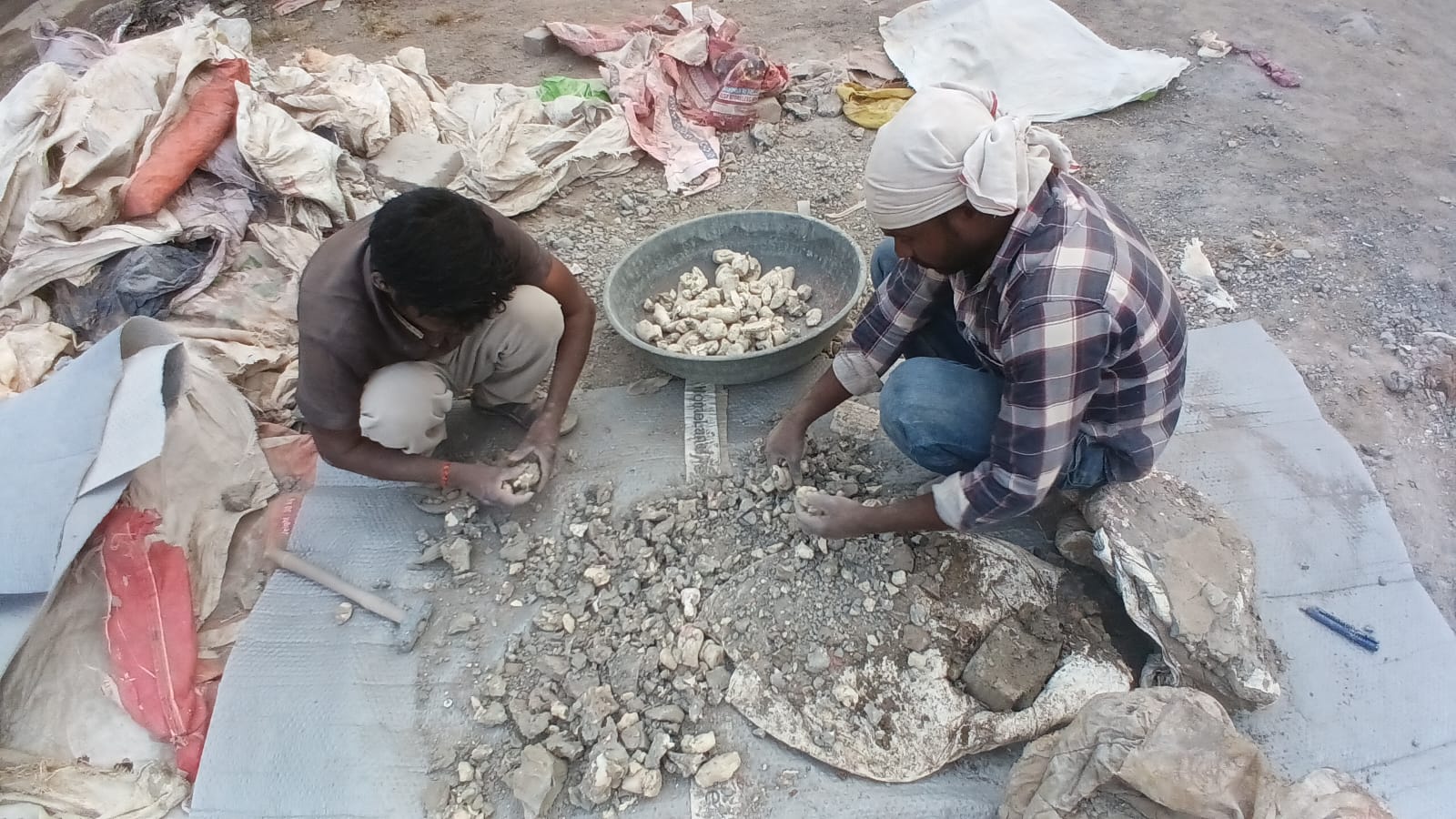
STEP 3: HAND POUNDING AND REMOVING ADULTERANTS

The next step is to hand pound the clay blocks into smaller pieces  which can be put into a crusher. In public immersion clay collections, there are often pieces of Plaster of Paris, plastic decorations and fabrics that get mixed with the clay and caught in them as they dry. These cannot be put into the crusher and have to be removed by hand. 
PV26 clay recycling hand pounding

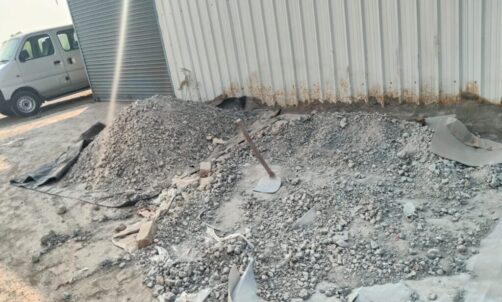
STEP 4: The hand pounded clay is set aside carefully before it is put into a crushing machine. 
PV26 clay recycling machine crushing

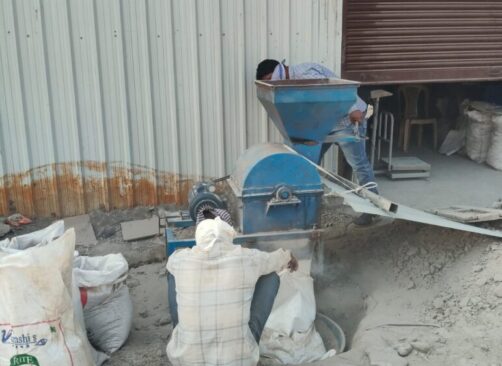
STEP 5: CRUSHING THE CLAY

Using a soil crusher, the hand pounded clay is then ground into a fine powder. Clay particles are extremely fine so if the collection of the powder is not done carefully a lot of wastage may happen because of air dispersal. Safety precautions of masks should also be used by labourers handling the clay powder. 
PV26 clay powder

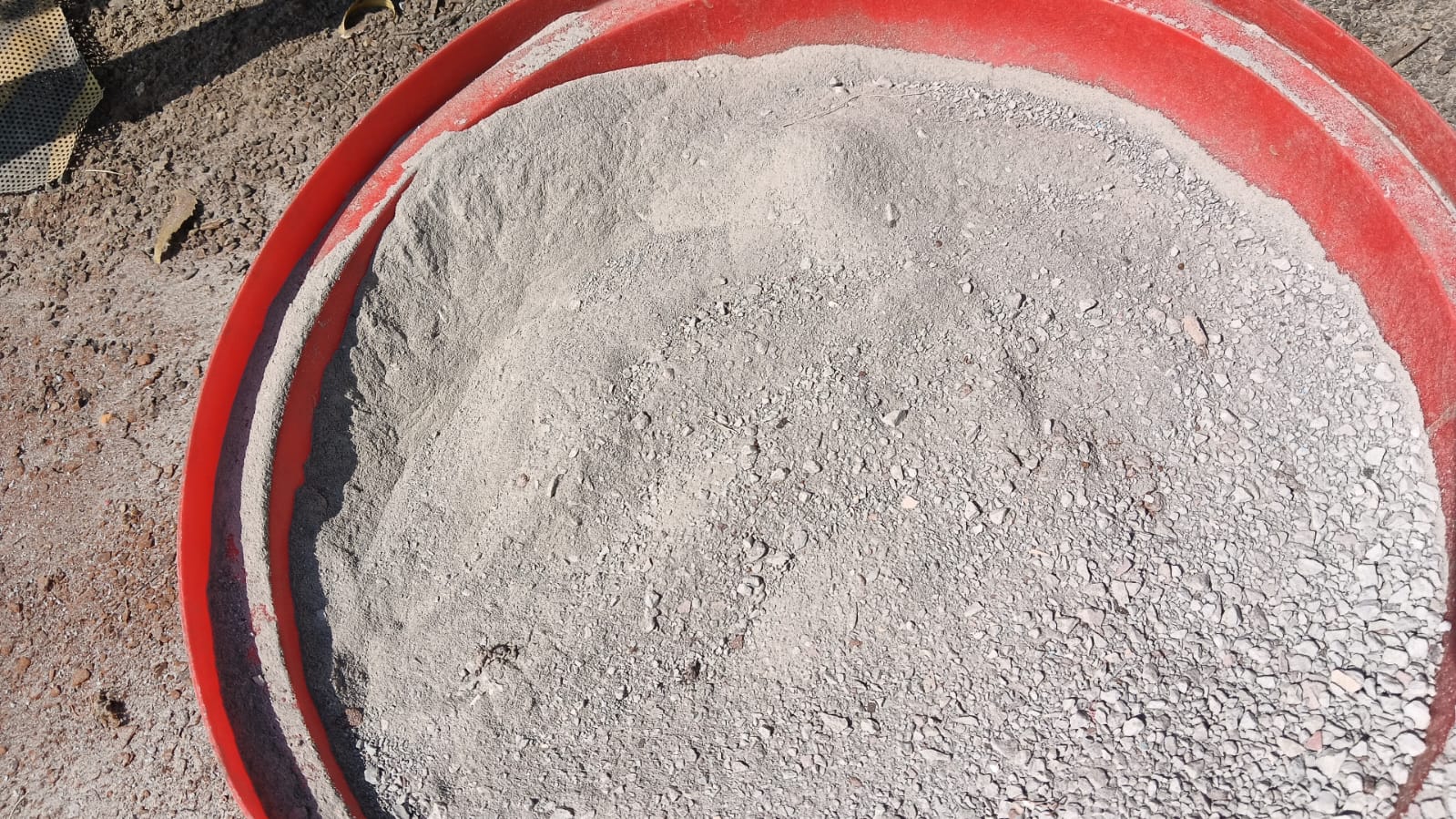
STEP 6: SIEVING THE CLAY 

This step is optional depending on the quality of the output of the crushing machine. 
PV26 clay recycling packaging

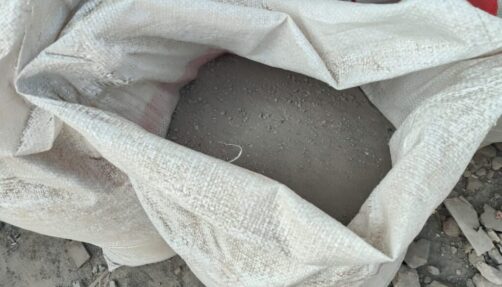
STEP 7: REPACKAGING CLAY POWDER

Once the powder is ready it has to be repackaged in smaller or larger quantities for storage and transport to end users.

Click here to find a collection center near you

X