
Mahad


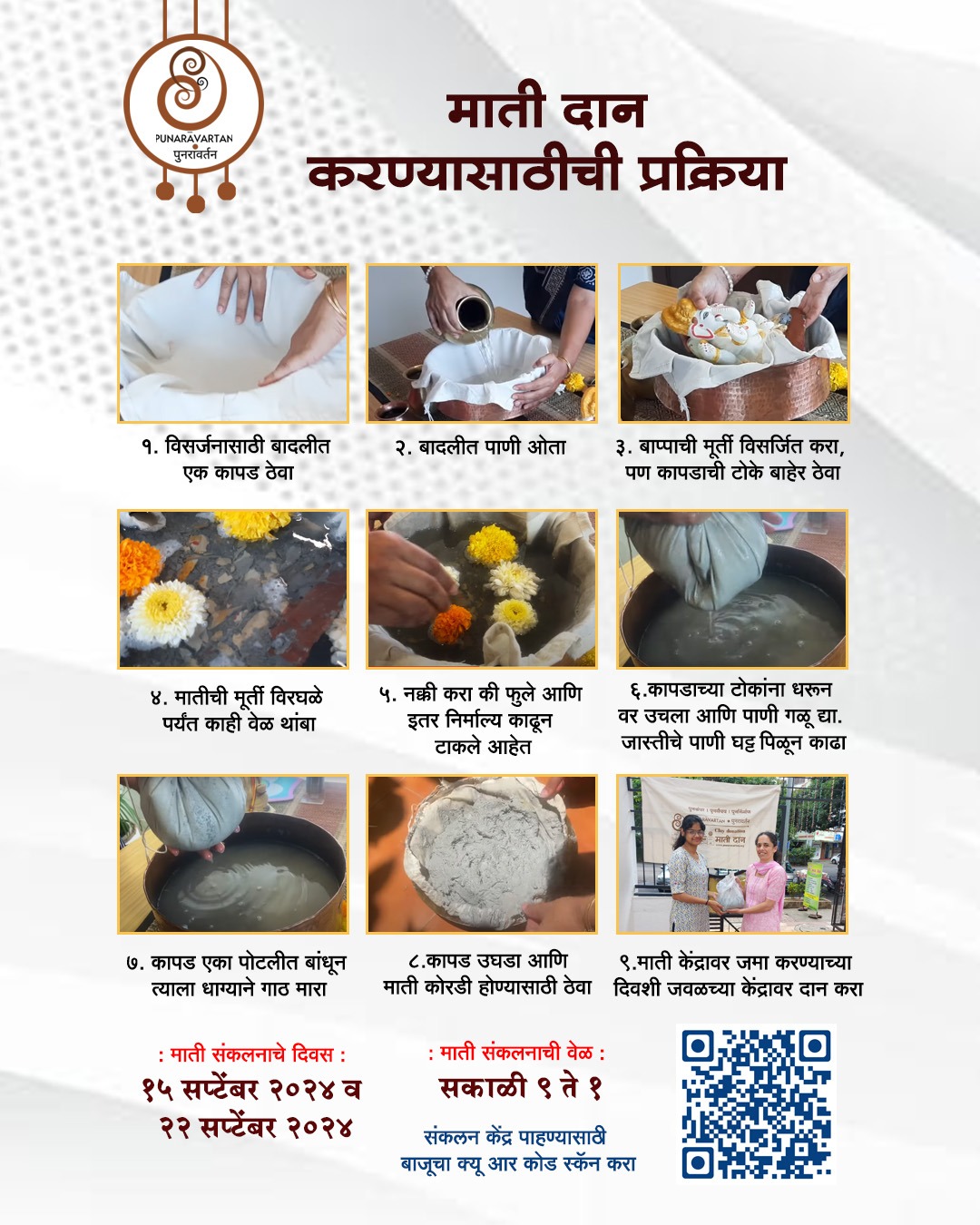
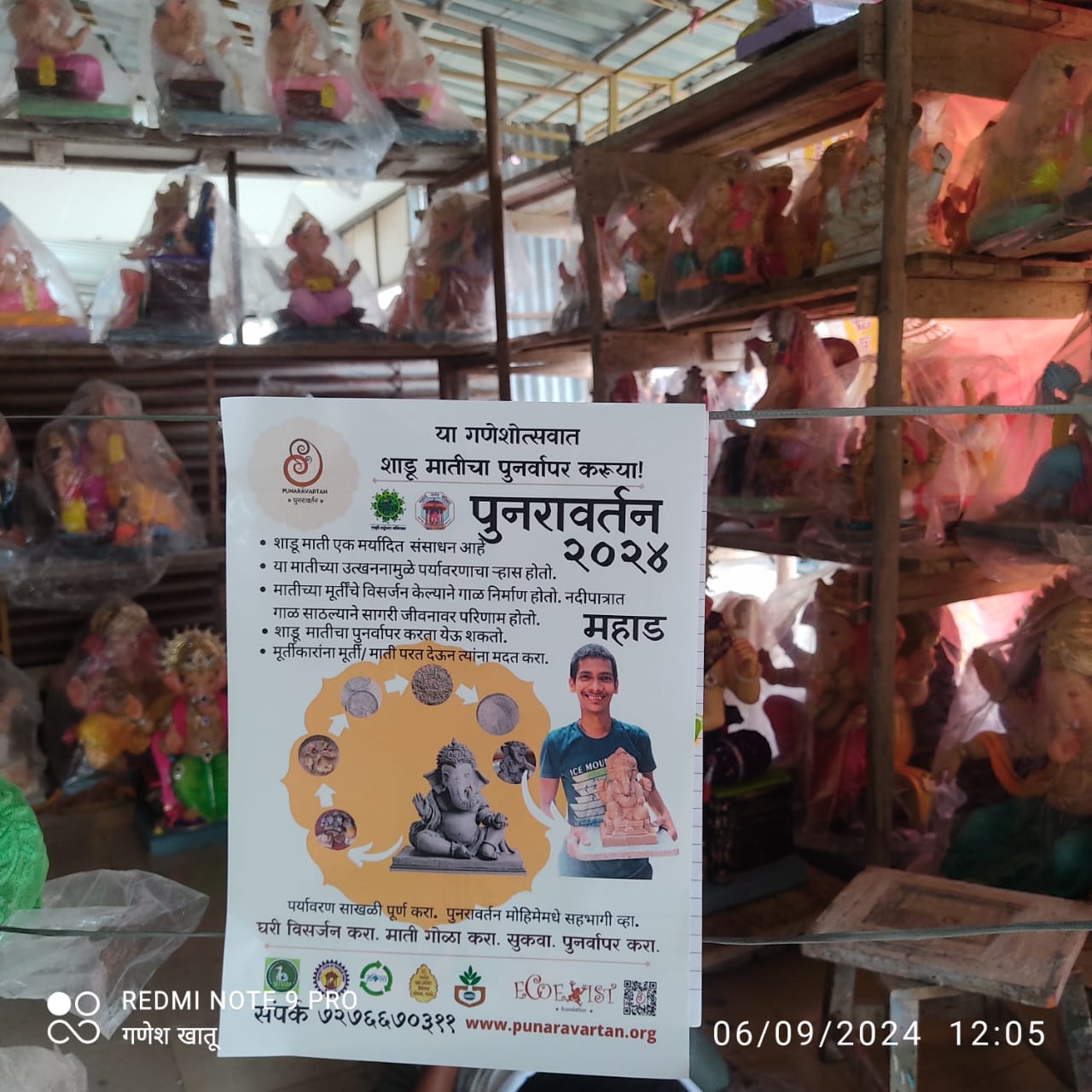
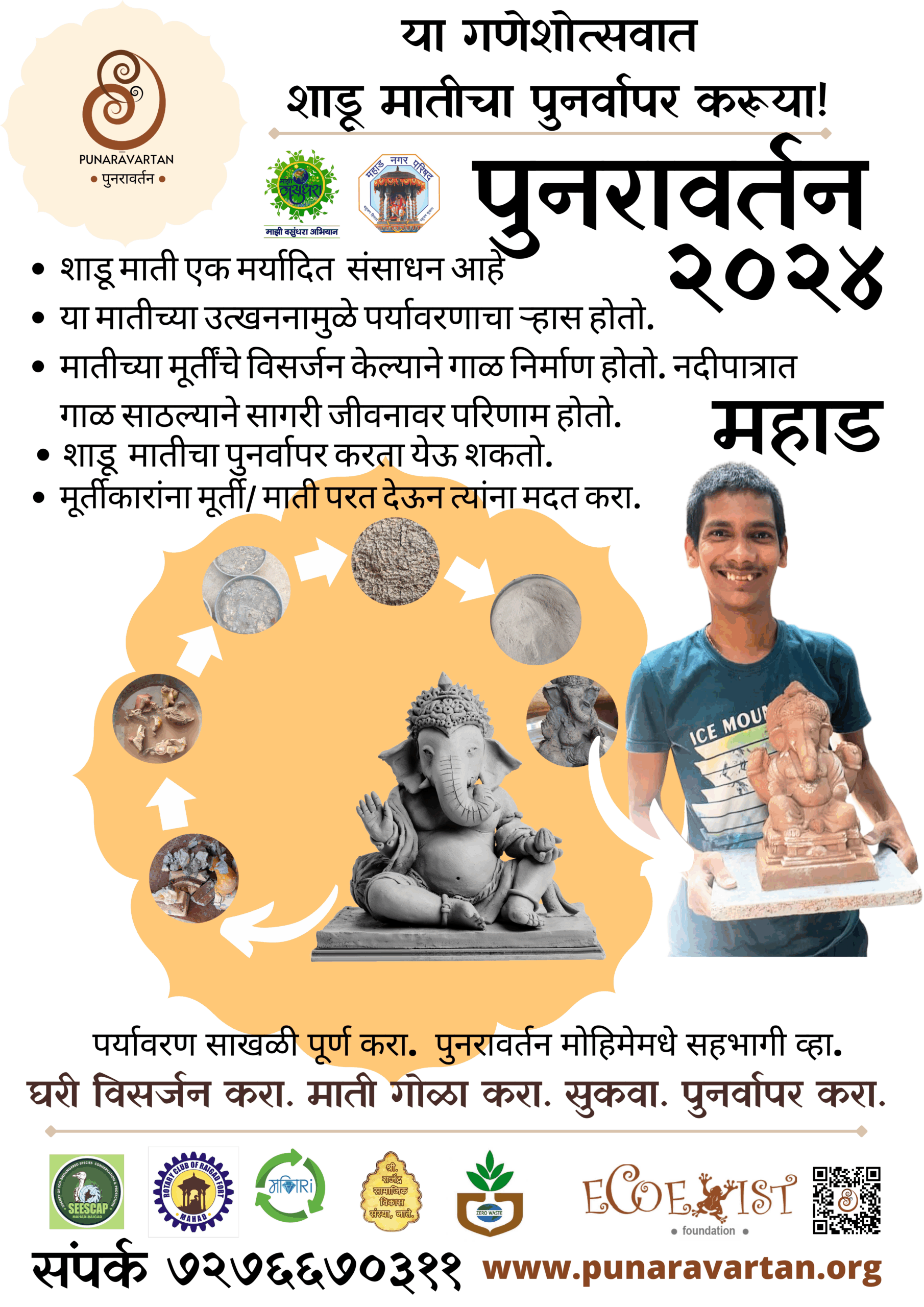
Punaravartan Posters
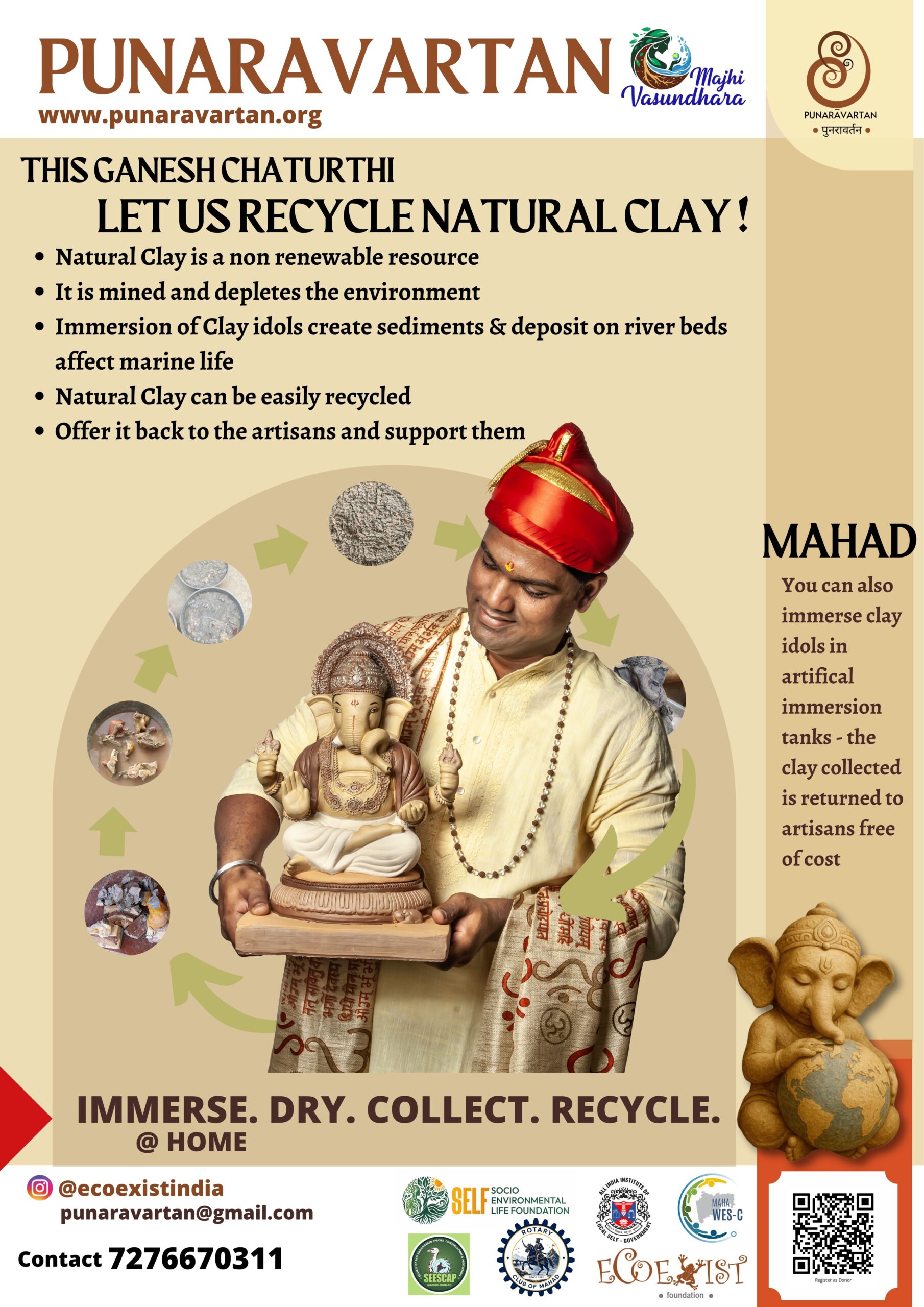
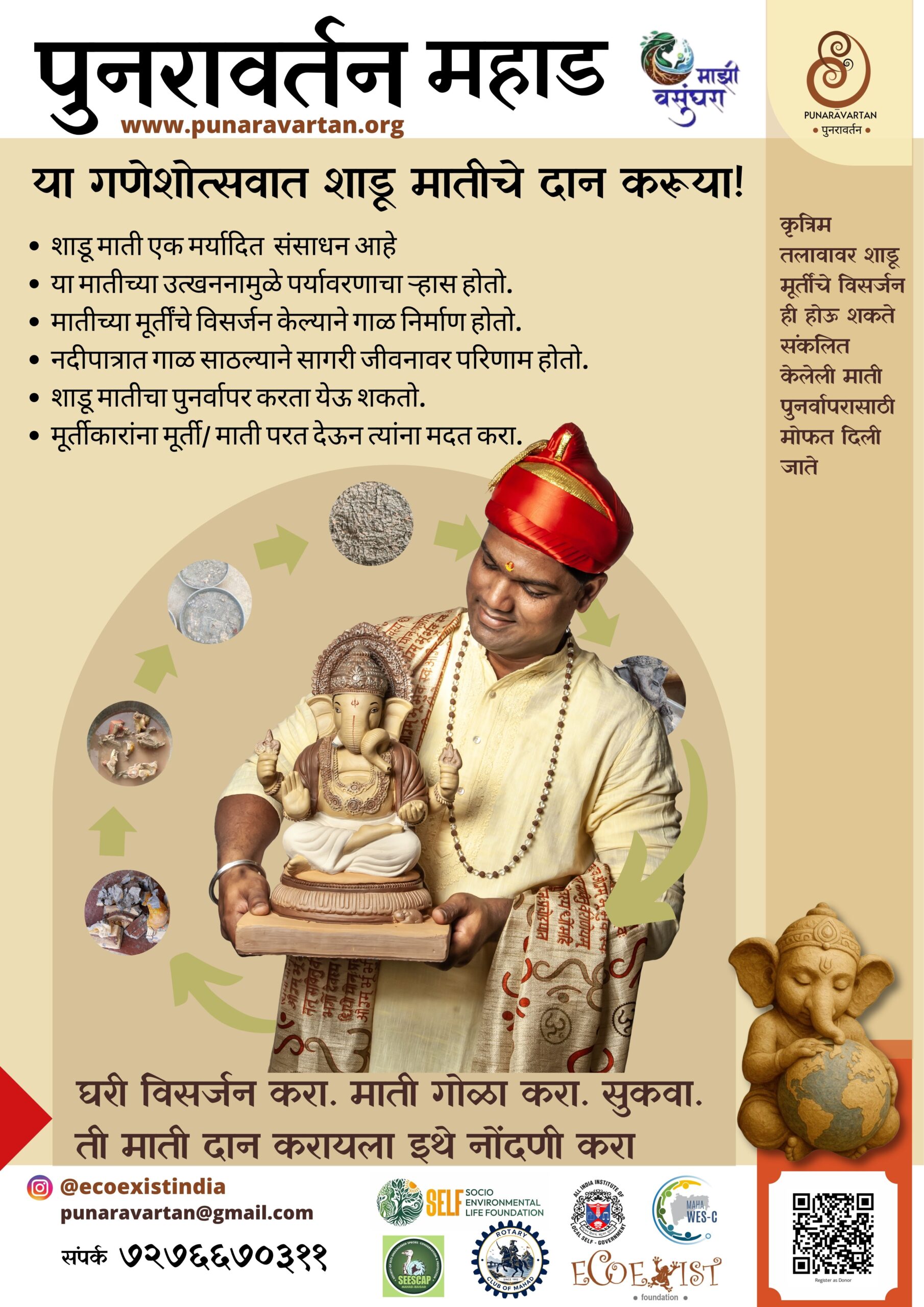
Clay collected in past years
0.7 tonne
1.57 tonne
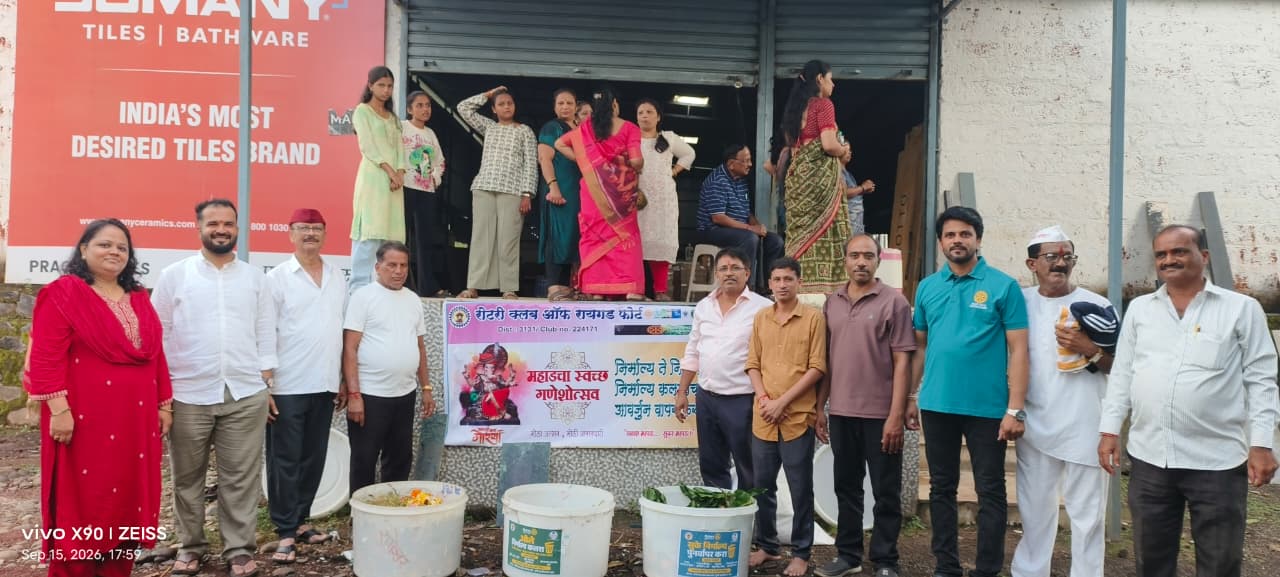
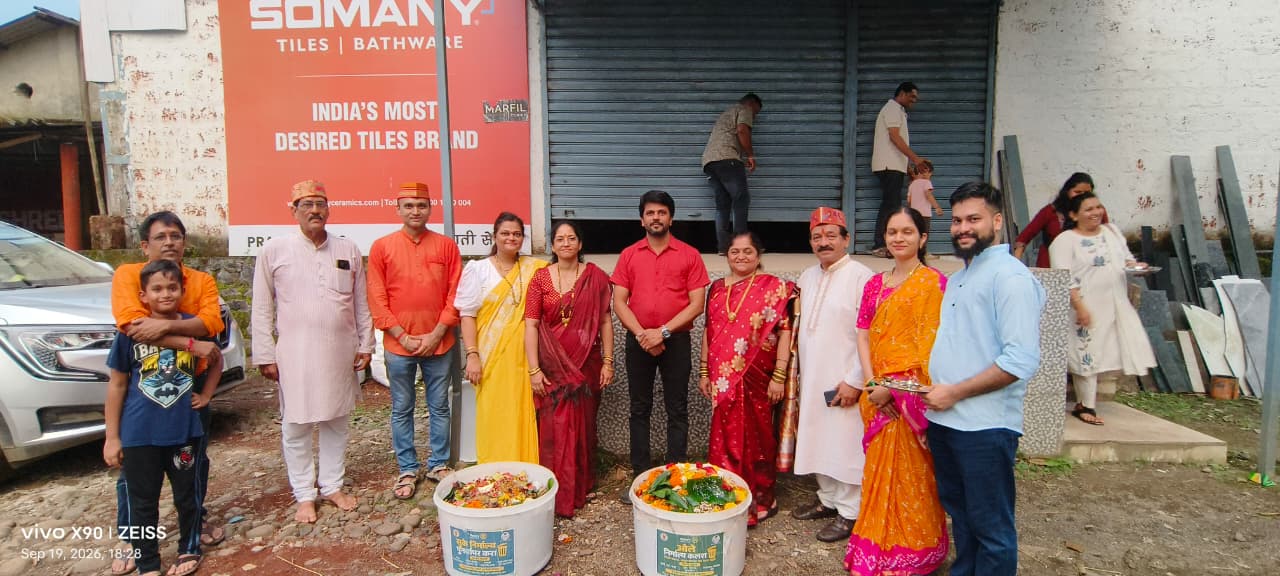
Campaign Activities
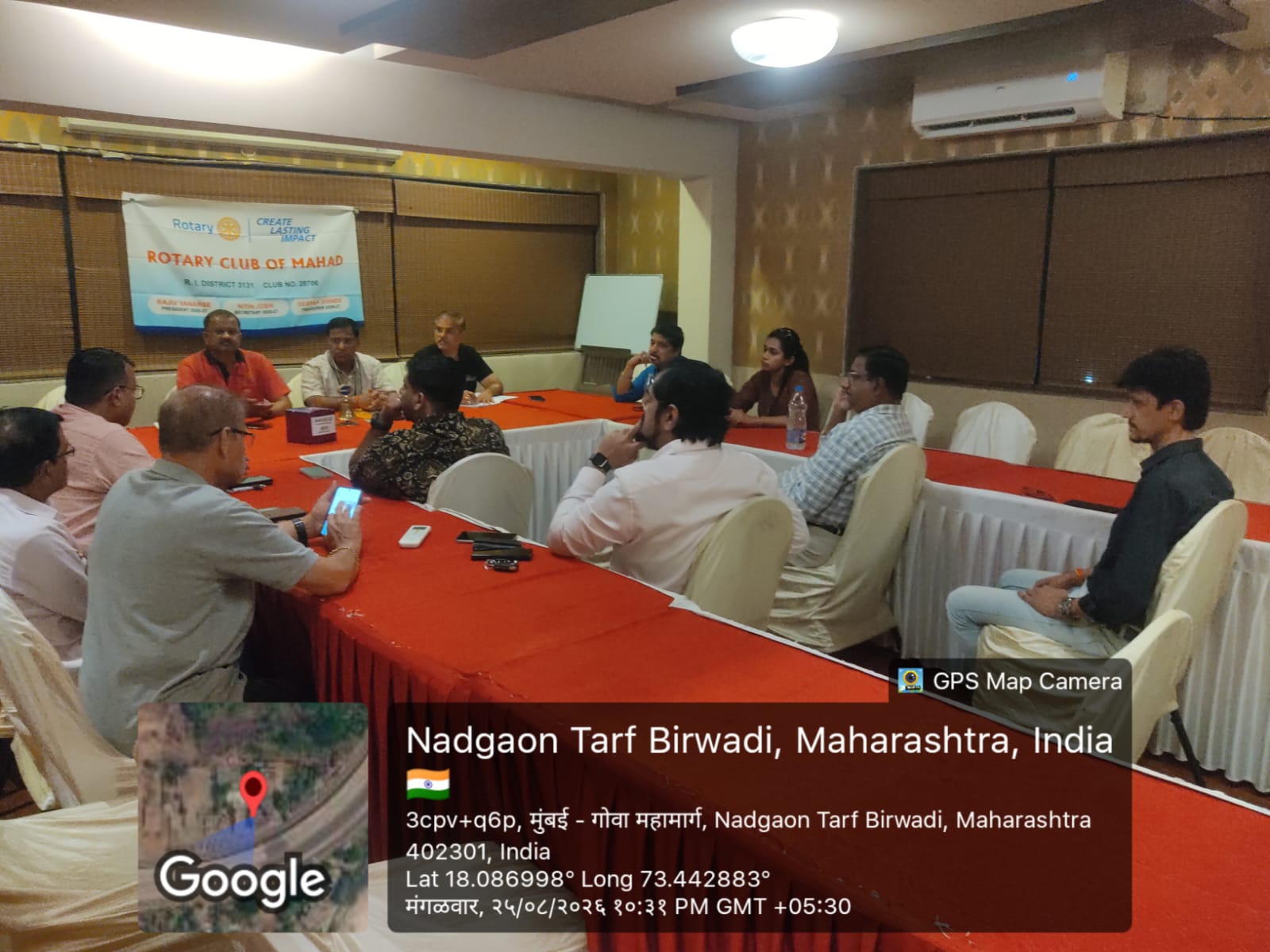
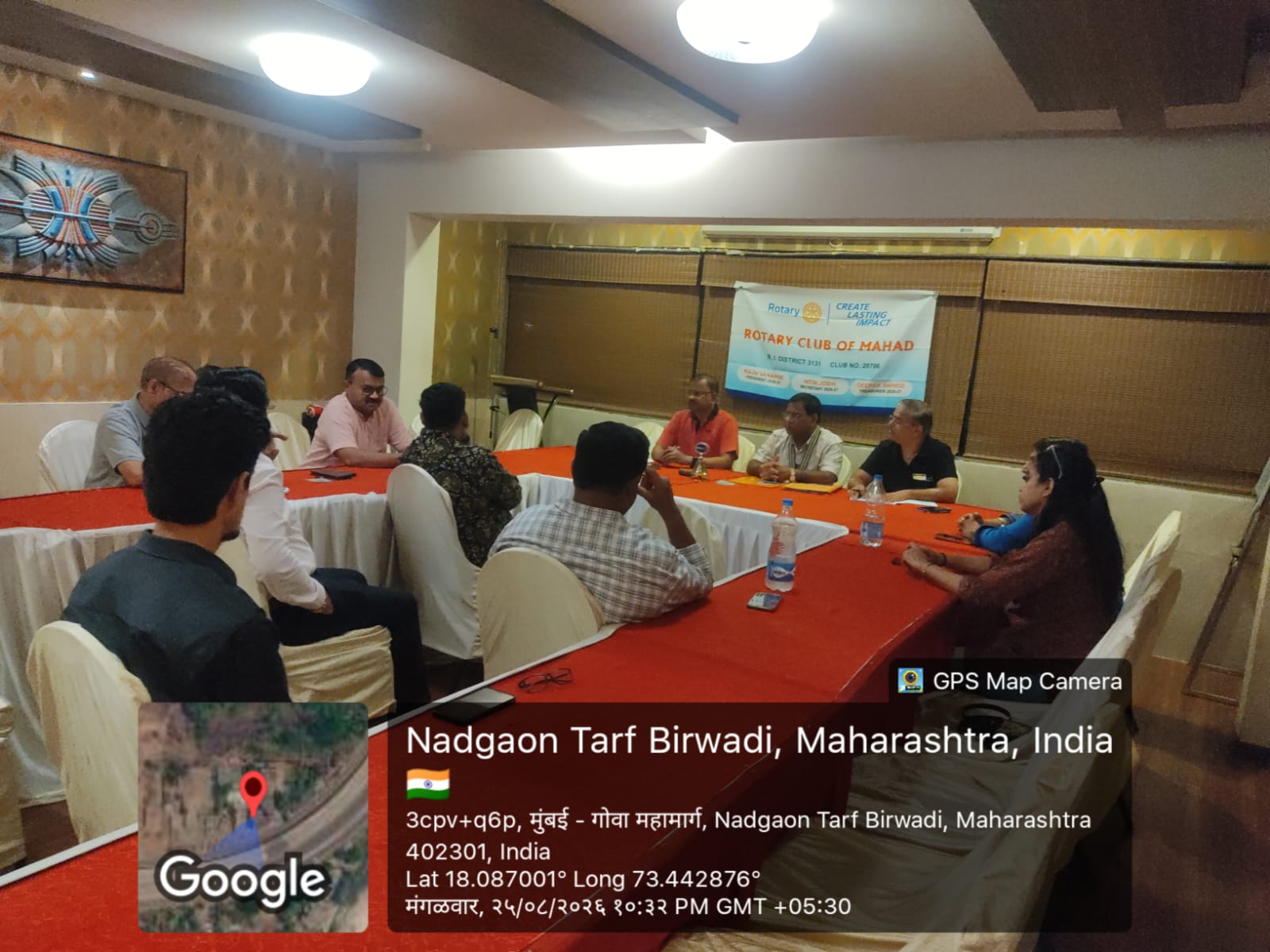
Campaign Partners


Glimpses from past campaigns
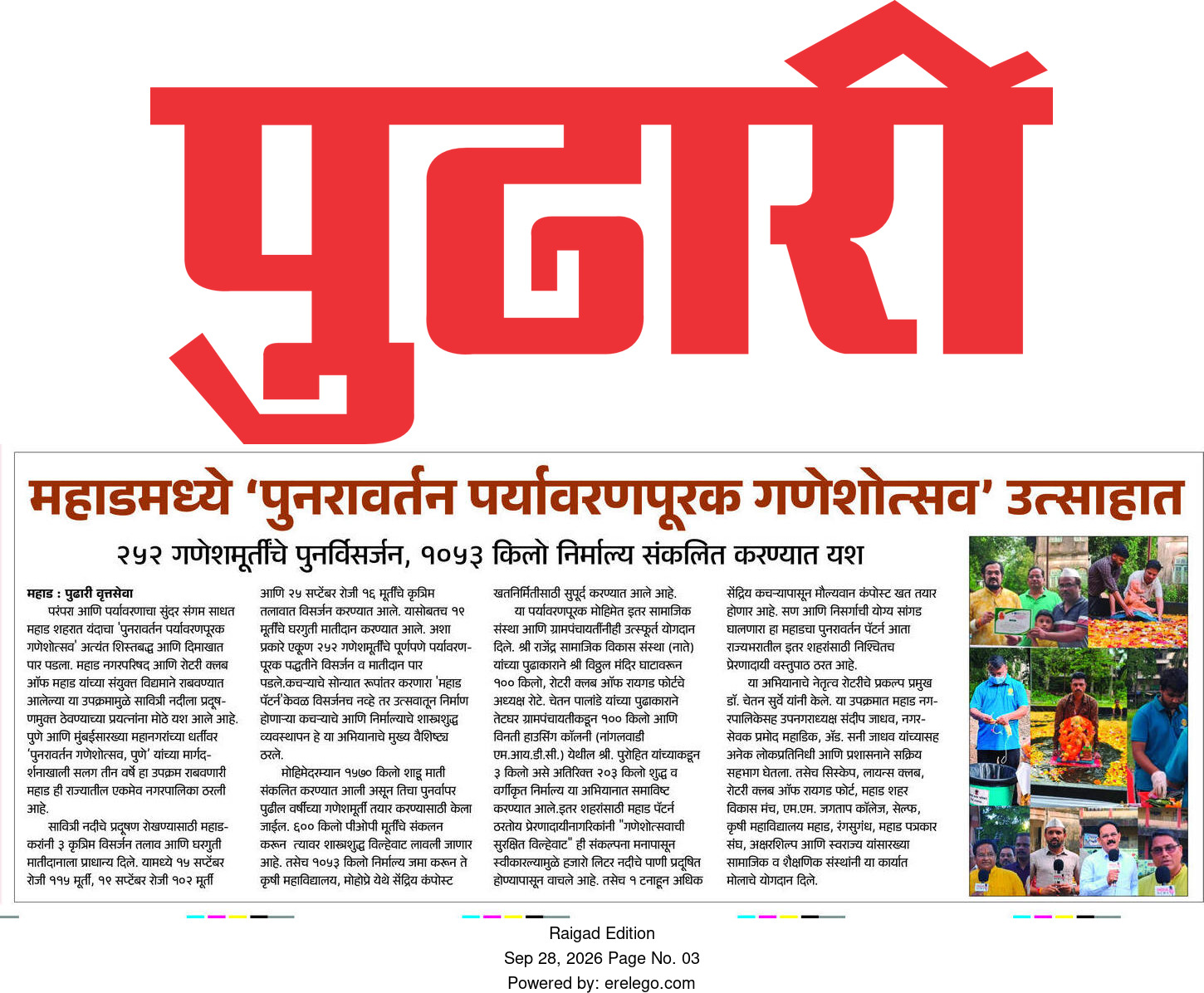
Press Coverage
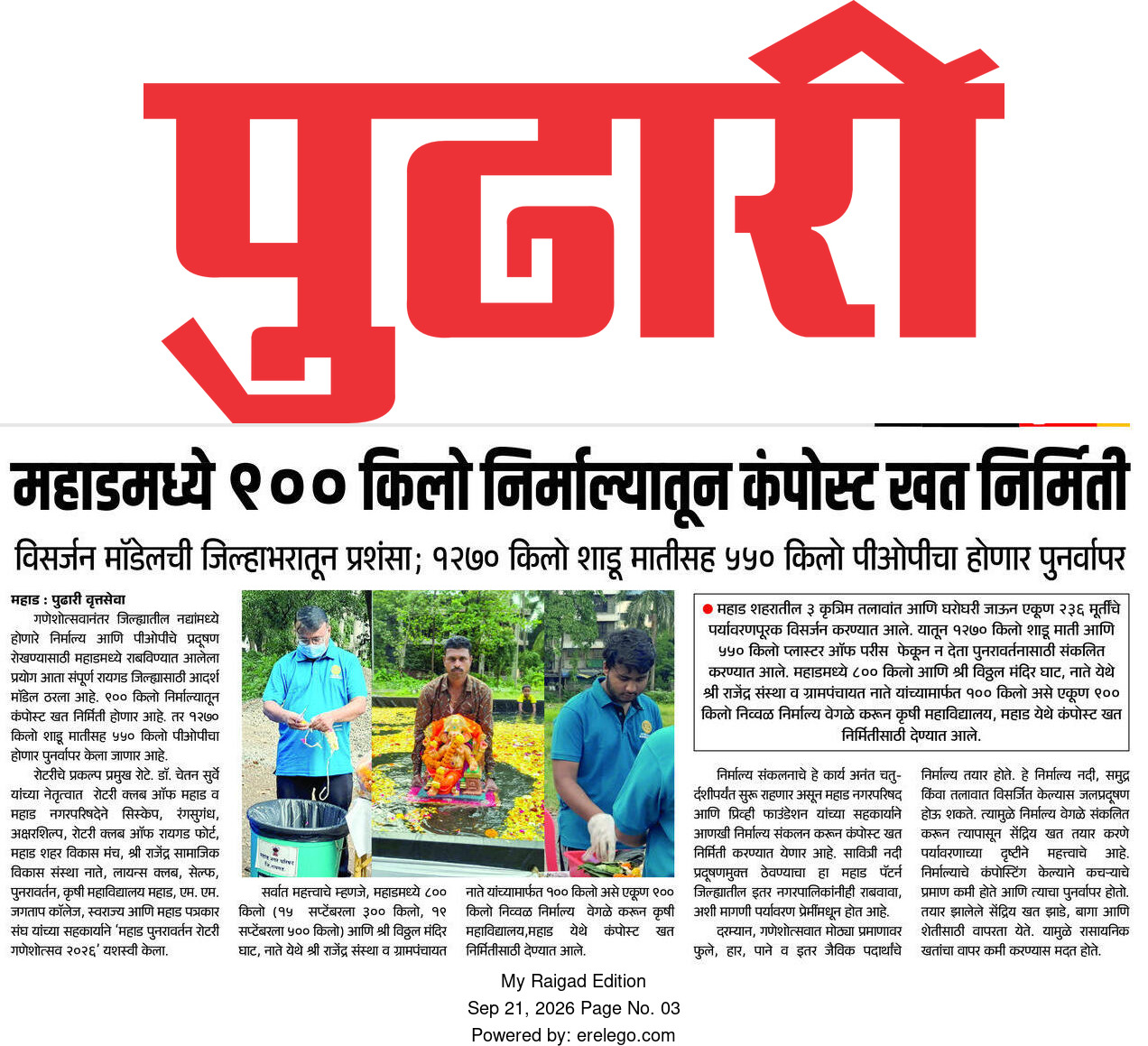
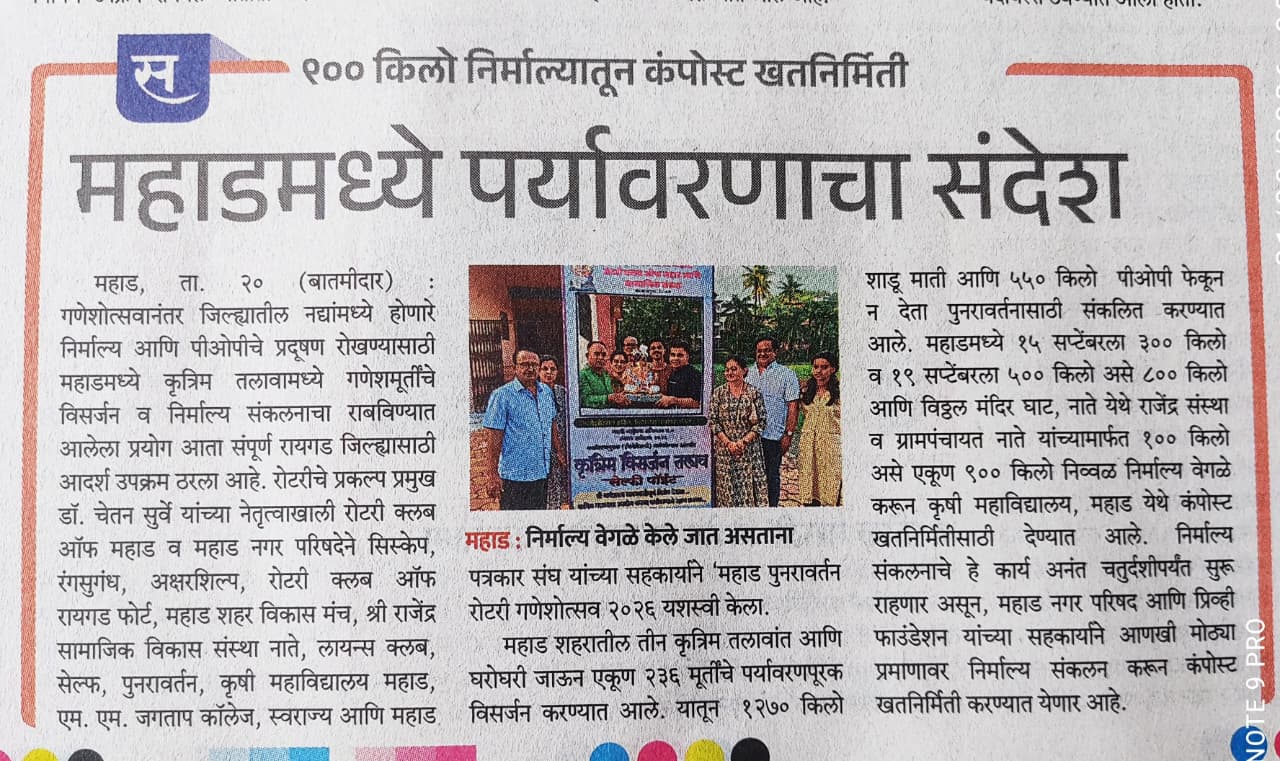
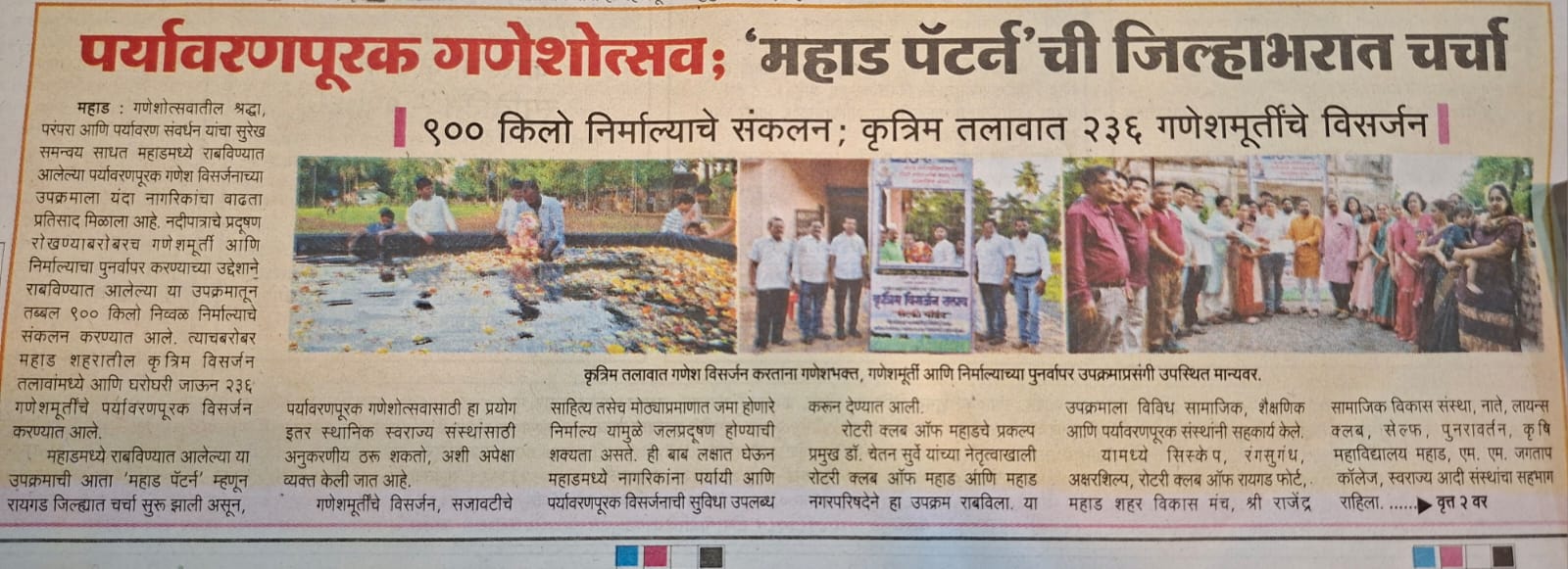
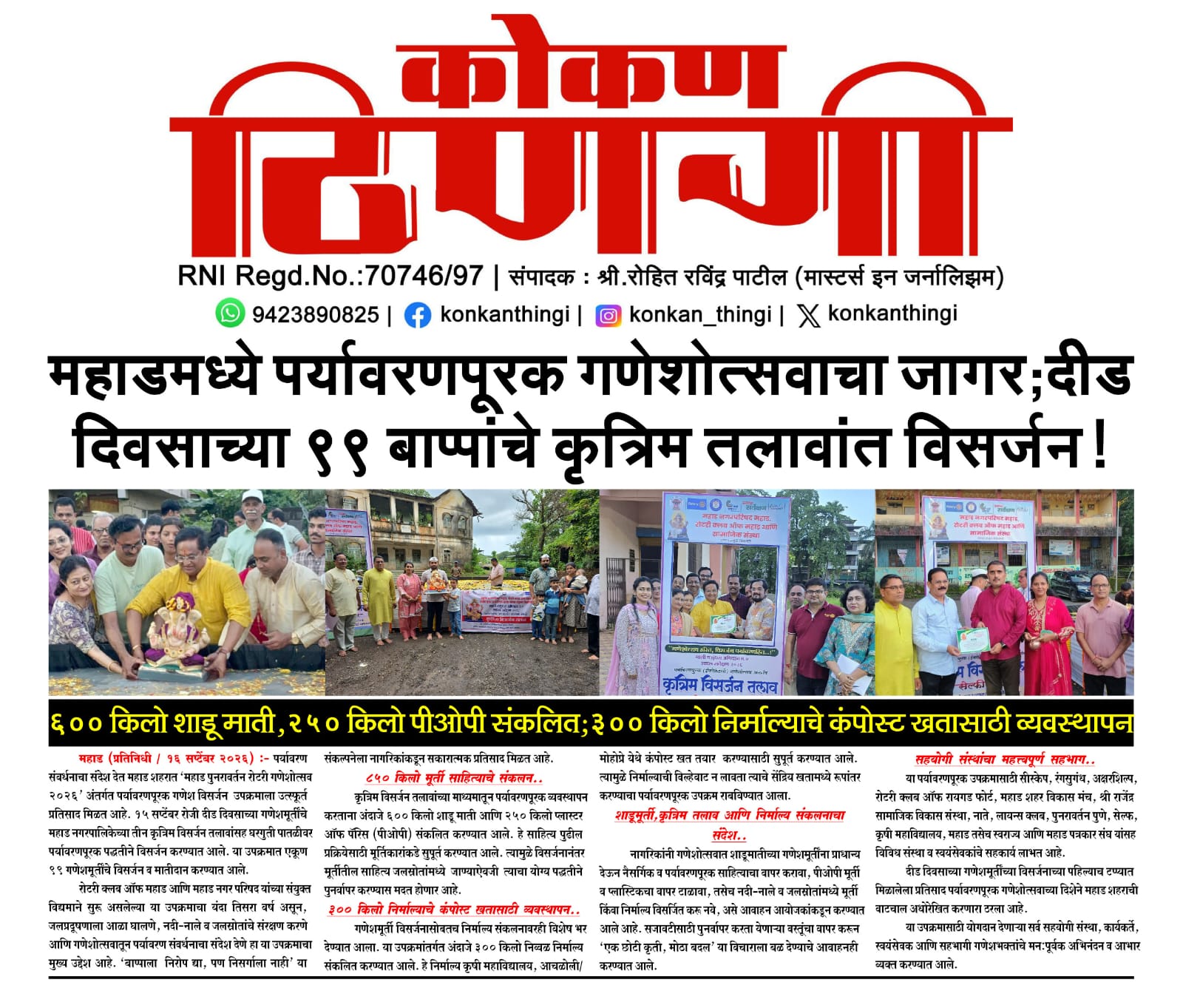
Past Press Coverage
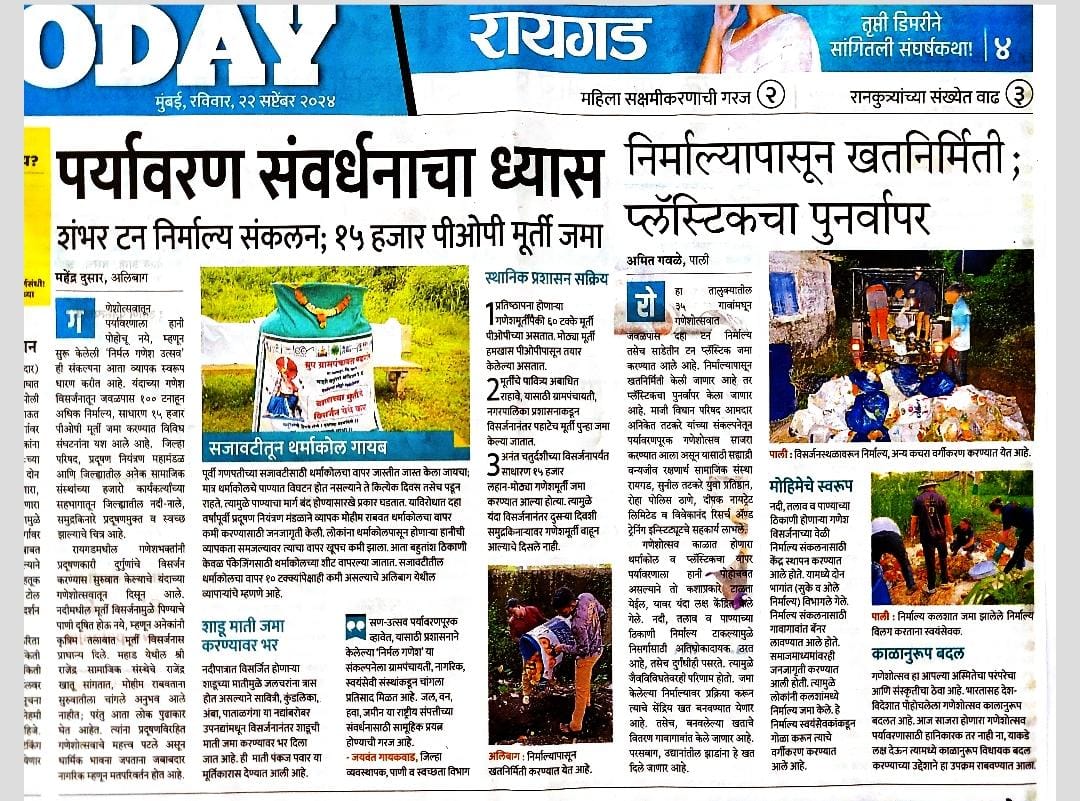
Materials Used
In Mahad, Ganesh idols are crafted using a variety of materials, each chosen for its environmental impact and cultural significance. Eco-friendly clay and shadu clay are favored for their biodegradability and fine texture. While Plaster of Paris (PoP) has been common for its ease of molding, its use is declining due to environmental concerns. Artisans also utilize paper mache and natural, non-toxic colors to minimize environmental impact. Increasingly, sustainable materials like cow dung and recycled paper are being embraced, ensuring that Ganesh idols in Mahad are not only beautiful but also eco-friendly during their immersion rituals.
Soil Type in Mahaad
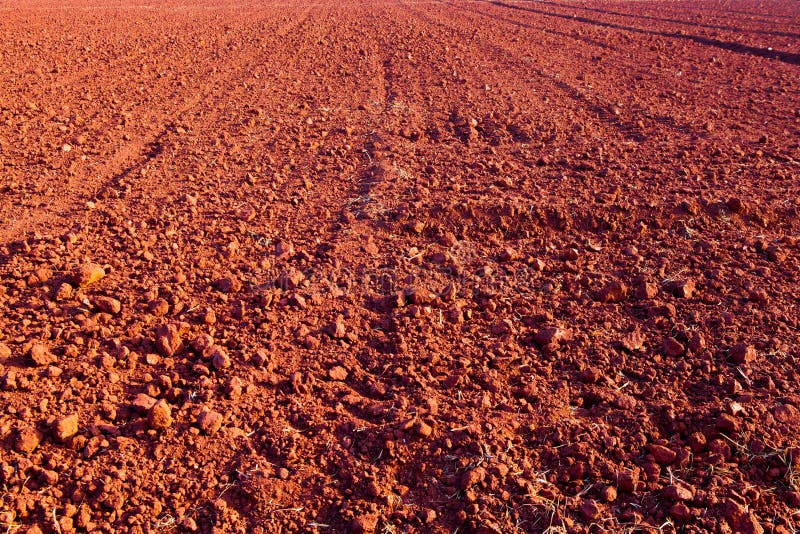
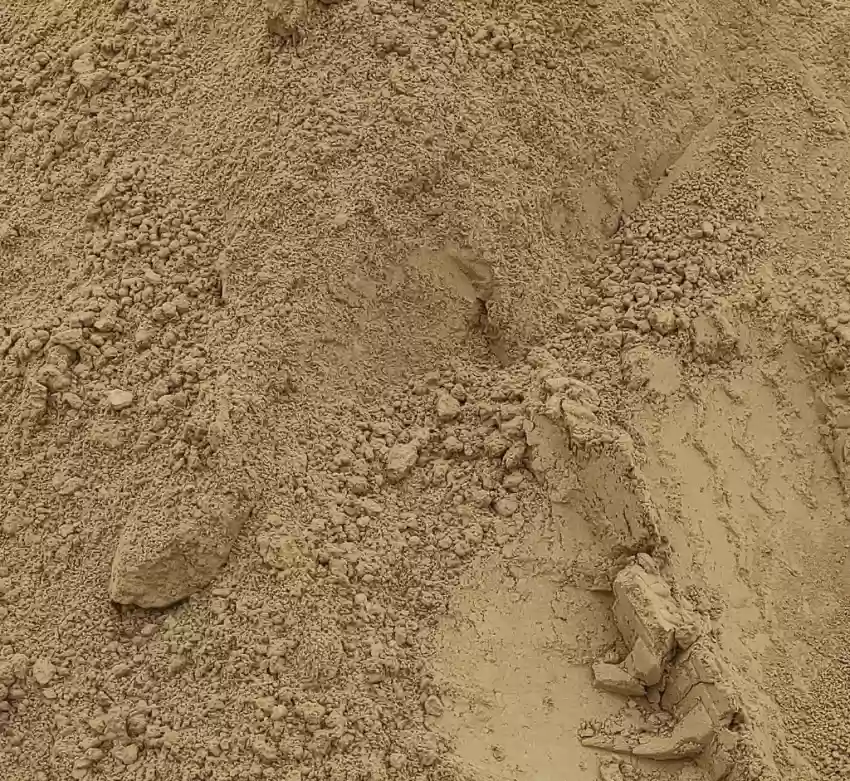
The soil type primarily consists of a mixture of alluvial and lateritic soil. Alluvial soil, found along river banks like the Savitri River, is fertile and ideal for agriculture due to its composition of silt, clay, and sand deposited by river action. Lateritic soil, characterised by its red colour due to iron oxides, is typical in upland areas and less fertile but suitable for specific crops. These soil types are crucial to the region’s agricultural productivity and local ecosystem.
Impact of Idol Immersion
Join Mahad’s Punaravartan Movement
Whether you want to give clay, take clay for reuse, help collect it, or support the campaign as a volunteer, there’s a place for you in the Punaravartan 2026 movement. Together, let’s shape a more sustainable tomorrow.